
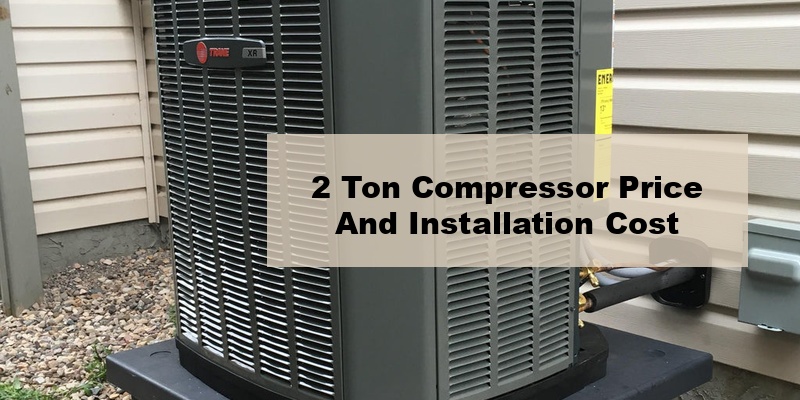
When sizing a two-ton air conditioning or heat pump system, the compressor is a core component that determines efficiency, longevity, and cooling performance. This article explains the typical price range for a two-ton compressor and the installation costs associated with replacing or upgrading this essential part. It covers common compressor types used in residential two-ton systems, factors that influence cost, regional labor variations, and practical guidance for selecting a qualified contractor. The goal is to give homeowners a clear budgeting framework for a two-ton compressor project.
Content Navigation
- Understanding What Two-Ton Means In HVAC
- Types Of Compressors For 2-Ton Systems
- Price Range For A 2-Ton Compressor
- Installation Costs For A 2-Ton Compressor
- Regional Variations And Labor Costs
- Additional Costs And Hidden Fees
- How To Choose A Contractor
- Maintenance Tips To Extend Compressor Life
- Frequently Asked Questions
Understanding What Two-Ton Means In HVAC
In heating, ventilation, and air conditioning, a “ton” measures cooling capacity and equates to 12,000 British Thermal Units per hour (BTU/h). A two-ton system provides about 24,000 BTU/h of cooling. The compressor’s size and type must match this capacity to ensure reliable operation and efficiency. Replacing a compressor without addressing other matched components can lead to short runtimes, poor cooling, or compressor failure. For most residential setups, the compressor is housed inside a hermetically sealed unit and works with a condenser, evaporator, and refrigerant lines to complete the cycle.
Pricing and installation are influenced by whether the system uses newer, high-efficiency refrigerants, the unit’s SEER rating, and the overall condition of the current ductwork and electrical system. Choosing a properly sized compressor minimizes energy waste and reduces the risk of future failures. Contractors often assess system metrics, refrigerant charge, and electrical compatibility before quoting a price.
Types Of Compressors For 2-Ton Systems
Residential two-ton systems typically use hermetic compressors designed for continuous operation. The most common types are:
- Scroll compressors: Highly efficient and quiet, widely used in modern two-ton units.
- Reciprocating (piston) compressors: Reliable and robust, often found in older or more cost-focused setups.
- Rotary screw compressors: Less common in small residential packs but used in some heat pump configurations.
Key considerations when choosing a compressor type include efficiency ratings, noise levels, reliability in hot climates, and the refrigerant compatibility. In many two-ton residential installations, a scroll compressor is favored for its better energy efficiency and smoother operation. Replacement cost can vary by model and technology, with newer scroll designs sometimes commanding a premium but offering longer life and better performance.
Price Range For A 2-Ton Compressor
The price for a two-ton compressor depends on the compressor type, brand, warranty, and whether it is sold as a component or part of a complete outdoor unit. Broadly speaking, the following ranges are common:
Call 888-896-7031 for Free Local HVAC Quotes – Compare and Save Today!
- Compressor part (stand-alone): For a single, high-quality scroll or reciprocating compressor, parts typically range from $400 to $1,200, depending on brand and availability.
- New two-ton condenser unit (with compressor): A complete outdoor unit can range from $1,500 to $3,500 before labor, with higher-efficiency models tending toward the upper end.
- Accessory components: Additional costs for filters, coil upgrades, or refrigerant upgrades may add $100 to $500.
In practice, many homeowners end up with a bundled quote that includes the compressor, condenser, and associated hardware. For older refrigerants or historical systems, prices can rise due to refrigerant transition requirements or the need for desiccant and line replacement. It’s essential to verify that the quoted compressor matches the system’s two-ton capacity and refrigerant type to avoid mis-sizing costs.
Installation Costs For A 2-Ton Compressor
Installation costs cover labor, materials, refrigerant recovery, and any necessary system recharging. Labor rates in the United States vary by region and contractor experience. Typical ranges are:
- Labor for compressor replacement: $500 to $1,500, depending on accessibility, electrical work, and whether the whole outdoor unit is replaced.
- Refrigerant handling and recovery: $50 to $200 for disposal and recharge—larger systems may incur higher charges if a refrigerant upgrade is needed.
- Materials and miscellaneous: Fittings, insulation, line set replacements, and electrical connections can add $100 to $600.
Overall installed costs for a compressor replacement in a typical two-ton residential system generally range from $1,000 to $2,800 when only the compressor is replaced along with necessary line connections. If the entire outdoor unit is replaced (which may include the condenser and fan assembly), total installed costs often range from $2,500 to $5,000. These ranges assume standard single-family homes and code-compliant installations performed by licensed HVAC professionals.
Regional Variations And Labor Costs
Labor costs can swing significantly by region due to wage standards, permitting requirements, and demand. For example, the Northeast and West Coast tend to have higher hourly rates and may incur additional permit or inspection costs. The Midwest and Southern states often present more moderate labor pricing. Regional factors to consider include:
- Labor rate per hour: Typical ranges run $75 to $150 per hour, with higher-end techs charging more in urban markets.
- Job complexity: Homes with limited access, multi-story layouts, or outdated wiring may require more time and higher costs.
- Permits and inspections: Some jurisdictions require permits for refrigerant work or major equipment replacement, adding $50 to $300 in administrative costs.
Because installation costs are highly location-dependent, obtaining multiple, written quotes from qualified contractors in the same area is advisable. A clear, itemized quote helps compare compressor price, installation work, and any ancillary charges. It also ensures compliance with local codes and refrigerant regulations.
Additional Costs And Hidden Fees
Beyond the base price of the compressor and labor, several additional costs can influence the final bill. These include:
Call 888-896-7031 for Free Local HVAC Quotes – Compare and Save Today!
- Refrigerant type and charge: Transitioning from R-22 to R-410A or other newer refrigerants can affect both price and availability.
- Line set and coil work: If the existing refrigerant lines or coils are damaged or corroded, replacements may be required, adding $150 to $800.
- Electrical upgrades: Inadequate wiring or uncontrolled voltage can necessitate minor or major electrical work, potentially adding $100 to $800.
- Disposal and environmental fees: Old equipment disposal can add $50 to $150.
- Warranties and service plans: Extending coverage typically adds $100 to $400 annually but can save on future repairs.
- Permits and inspections: As noted, some locales require permits, which may add $50 to $300.
Shopping for price should include these possible add-ons to avoid sticker shock. A thorough contractor estimate that itemizes components, labor, and any disposal or environmental fees provides a clearer budgeting path.
How To Choose A Contractor
Selecting a qualified HVAC contractor is crucial for a reliable two-ton compressor replacement. Key steps include:
- Verify licensing and insurance: Ensure the contractor holds current HVAC license where required and carries liability and workers’ compensation coverage.
- Request NATE-certified technicians: North American Technician Excellence certification signals professional competence.
- Obtain multiple bids: At least three detailed, written estimates help compare prices and scope of work.
- Check references and reviews: Look for consistent, positive feedback on reliability and communication.
- Ask about warranties: Inquire about compressor warranties, parts guarantees, and what labor coverage includes.
- Assess communication and turnaround: A responsive contractor who provides clear timelines reduces surprises during the project.
Proper selection reduces the risk of repeat failures and ensures the replacement is designed for longevity and efficiency in the specific climate.
Maintenance Tips To Extend Compressor Life
Post-installation maintenance can extend the life of a two-ton compressor and improve efficiency. Important practices include:
- Regular filter and coil cleaning: Clean air passages prevent strain on the system and improve heat transfer.
- Keep drainage and condensate lines clear: Proper drainage reduces moisture-related issues in the system.
- Monitor refrigerant pressure and charge: Ensure the system remains properly charged to avoid overheating and excessive wear.
- Inspect electrical connections: Loose or corroded connections can cause arcing and premature failure.
- Schedule seasonal checkups: A professional tune-up before peak cooling months helps catch problems early.
Maintenance costs are typically modest compared with repair or replacement expenses and can significantly extend compressor life and system performance.
Tips for Getting the Best HVAC Prices
- Prioritize Quality Over Cost
The most critical factor in any HVAC project is the quality of the installation. Don’t compromise on contractor expertise just to save money. - Check for Rebates
Always research current rebates and incentives — they can significantly reduce your overall cost. - Compare Multiple Quotes
Request at least three estimates before making your choice. You can click here to get three free quotes from local professionals. These quotes include available rebates and tax credits and automatically exclude unqualified contractors. - Negotiate Smartly
Once you've chosen a contractor, use the proven strategies from our guide — How Homeowners Can Negotiate with HVAC Dealers — to get the best possible final price.
Frequently Asked Questions
- What is the typical lifespan of a 2-ton compressor? With regular maintenance, residential compressors commonly last 10 to 15 years, though advanced models may exceed that with proper care.
- Should I repair or replace the compressor? If the system is older or has multiple failing components, replacement may be more cost-effective long term; a technician can assess overall condition and efficiency losses.
- Is a two-ton unit sufficient for my home? A qualified HVAC technician should perform a load calculation, but a two-ton system typically suits smaller homes or well-sealed spaces in moderate climates.
- Do I need refrigerant recharges after replacement? Yes, the system must be properly charged and tested after installation to ensure optimal performance.
- Are there financing options? Many contractors offer financing or promotional terms to help manage large repair or replacement costs.