
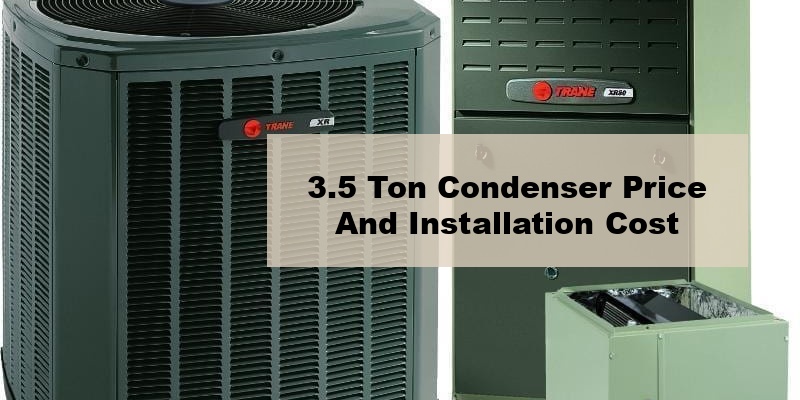
The choice of a 3.5 ton condenser is a common mid-range option for many homes, balancing cooling capacity with outdoor unit size. This article explains the current pricing landscape for a 3.5 ton condenser and the associated installation costs in the United States. It covers factors that influence price, typical ranges, and practical tips to secure a fair estimate from licensed HVAC contractors. By understanding both the condenser price and installation cost, homeowners can estimate total project costs, compare bids, and plan for energy efficiency incentives.
Content Navigation
- What Is A 3.5 Ton Condenser?
- 3.5 Ton Condenser Price: What To Expect
- Installation Cost For 3.5 Ton Condenser
- Factors That Influence Price And Installation
- How To Get The Best Value
- Choosing The Right 3.5 Ton Condenser For Your Home
- Common Brands And Model Range
- Warranties, Maintenance, And Service
- Financing And Incentives
What Is A 3.5 Ton Condenser?
A condenser is the outdoor component of a central air conditioning or heat pump system. A 3.5 ton rating translates to roughly 42,000 BTU per hour of cooling capacity, which suits many mid-sized homes with average insulation and climate characteristics. Most residential condensers are air-cooled and paired with an indoor air handler or furnace with a matching coil. While tonnage indicates cooling output, efficiency is driven by SEER ratings and refrigerant types, which influence long-term energy bills and performance in different climates.
3.5 Ton Condenser Price: What To Expect
Prices for a 3.5 ton condenser vary based on efficiency, brand, and features. Consumers should distinguish between the condenser unit itself and the total system cost, which includes installation labor and any needed accessories. In the United States, typical unit prices for a 3.5 ton outdoor condenser (air-cooled) generally fall in the following ranges:
- Basic/Mid-Range Units: $1,500 to $2,800
- High-Efficiency/Premium Units: $2,800 to $4,500
- With Optional Features: Smart thermostats, variable-speed compressors, or advanced diagnostics can add $100 to $500.
Prices can vary by brand. Popular brands such as Carrier, Lennox, Trane, Goodman, and Rheem offer a spectrum of efficiency levels. The choice often correlates with warranty terms, expected energy savings, and compatibility with existing indoor equipment. Homeowners should request detailed quotes that separate the condenser price from installation and any additional components like a new line set, fascia, or pad.
Installation Cost For 3.5 Ton Condenser
Installation costs depend on the system’s condition, local labor rates, and any required modifications. A typical installation replaces an old outdoor unit or connects a new condenser to an existing indoor unit. In most U.S. markets, the installation cost for a 3.5 ton condenser ranges from:
- Lower Range: $1,200 to $2,500 for straightforward replacements with existing ductwork and line sets.
- Mid Range: $2,500 to $3,500 when minor electrical or refrigerant considerations are needed.
- Higher Range: $3,500 to $4,000+ for complex replacements, longer line sets, new duct fittings, or required electrical upgrades.
Several components drive these costs, including labor hours, permits, electrical work, refrigerant amount, and materials. A typical installation may require 8 to 16 hours of labor, depending on accessibility and any necessary modifications. Regional differences mean that urban areas or regions with higher HVAC rates can push installation toward the upper end of the range.
Call 888-896-7031 for Free Local HVAC Quotes – Compare and Save Today!
Factors That Influence Price And Installation
- Efficiency And SEER Rating: Higher SEER units cost more upfront but save energy over time. The payback period depends on usage, climate, and electricity rates.
- Brand And Warranty: Premium brands often carry longer warranties and better service networks, affecting upfront price.
- Indoors Compatibility: The indoor air handler, coil, and refrigerant compatibility affect the overall system fit and may require additional parts.
- Refrigerant Type: Modern systems use R-410A. Some replacements may require refrigerant retrofits or flushing, adding cost.
- Line Set Length And Configuration: Longer or more complex refrigerant line runs increase material and labor costs.
- Electrical Upgrades: New circuits, disconnects, or upgraded breakers can add to labor and materials.
- Permits And Code Compliance: Local permitting ensures code-compliant installation and can add time and fees.
- Site Accessibility: Limited access, roof installations, or difficult outdoor spaces raise labor hours and sometimes crane fees.
- Ductwork And Airflow: If ducts require sealing, relocation, or sizing adjustments, total costs rise.
How To Get The Best Value
- Get Multiple Written Quotes: Compare condenser price, installation scope, and included components across at least three contractors.
- Request Detailed Scope Of Work: Ensure quotes specify unit model, SEER rating, refrigerant type, line set length, pad, and electrical work.
- Check Contractor Credentials: Look for proper licensing, insurance, and NATE-certified technicians or equivalent credentials.
- Ask About Warranties: Understand parts, compressor, and labor warranties, and what maintenance they require to stay valid.
- Bundle With Other Upgrades: If appropriate, pairing a new condenser with a furnace or air handler can yield package discounts.
- Consider Incentives: Check for local utility rebates or federal tax credits for energy-efficient HVAC equipment.
Choosing The Right 3.5 Ton Condenser For Your Home
Accurate sizing ensures reliable cooling and efficiency. A professional HVAC contractor should perform a Manual J load calculation that accounts for climate, insulation, window area, and occupancy. The right 3.5 ton condenser must pair with a compatible indoor unit and coil to achieve the desired SEER rating. Homeowners should prioritize units with durable compressors, good warranty terms, and a robust service network. Energy efficiency alone isn’t enough; proper airflow, correct refrigerant charge, and secure electrical connections are essential for long-term reliability.
Common Brands And Model Range
Several brands dominate the U.S. market for 3.5 ton condensers. This overview highlights typical positioning and what to expect from each:
- Lennox: Known for high efficiency and quiet operation; premium pricing but strong warranties.
- Trane: Durable components and steady performance; service availability is good in many regions.
- Goodman/Rheem: Value-oriented options with competitive warranties; often cheaper upfront.
- Amana/ Daikin: Balanced efficiency and cost, with accessible service networks.
When evaluating models, consider not only list price but also installation complexity, local labor rates, and the contractor’s track record with the chosen brand.
Warranties, Maintenance, And Service
Warranty coverage for condensers typically includes a limited parts warranty on the compressor—often 5 to 10 years—and a separate warranty on other components. Labor coverage varies by brand and installer. Regular maintenance, such as annual coil cleaning, electrical checks, and refrigerant inspection, helps preserve efficiency and reliability. Homeowners should obtain a preventive maintenance agreement and understand what triggers warranty eligibility, such as required service visits.
Financing And Incentives
Financing options can ease the upfront burden of a 3.5 ton condenser replacement. Many HVAC contractors offer financing plans with promotions or low-interest periods. In addition, energy efficiency incentives may be available through utilities or federal programs. Homeowners should explore local rebates for high-efficiency equipment and any applicable federal tax credits for energy-saving home improvements. A contractor can help identify qualifying programs and assist with the necessary documentation.
Bottom line: A 3.5 ton condenser represents a common balance of capacity and efficiency for many homes. Understanding the price range for the unit itself and the installation costs helps homeowners budget effectively, compare bids, and choose a system that delivers reliable comfort and energy savings for years to come.
Call 888-896-7031 for Free Local HVAC Quotes – Compare and Save Today!
Tips for Getting the Best HVAC Prices
- Prioritize Quality Over Cost
The most critical factor in any HVAC project is the quality of the installation. Don’t compromise on contractor expertise just to save money. - Check for Rebates
Always research current rebates and incentives — they can significantly reduce your overall cost. - Compare Multiple Quotes
Request at least three estimates before making your choice. You can click here to get three free quotes from local professionals. These quotes include available rebates and tax credits and automatically exclude unqualified contractors. - Negotiate Smartly
Once you've chosen a contractor, use the proven strategies from our guide — How Homeowners Can Negotiate with HVAC Dealers — to get the best possible final price.