
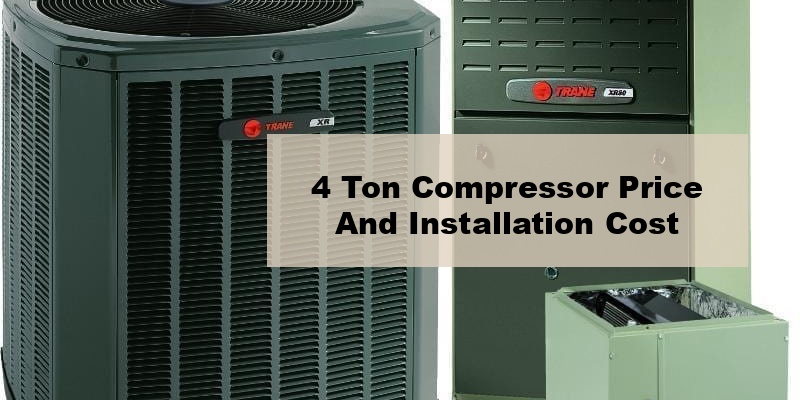
Pricing for a 4-ton compressor, commonly used in residential air conditioning and heat pump systems, varies widely based on unit efficiency, brand, and installation complexity. This guide covers typical equipment costs, installation expenses, and factors that influence the total price in the United States. It also explains what to expect during installation, potential rebates, and how to estimate the overall project cost to make an informed decision.
Content Navigation
Current Market Prices For A 4-Ton Compressor
Equipment costs for a 4-ton outdoor condenser or compressor can vary significantly by design and efficiency. Standard fixed-speed units with SEER ratings around 14–16 typically range from about $1,800 to $3,000 for the outdoor unit alone. Mid-range options with higher efficiency (SEER 16–18) generally run $2,500 to $3,800. Premium inverter-driven or variable-speed models can reach $4,000 to $6,000 or more. Price depends on refrigerant type, brand, warranty length, and included components such as the outdoor coil and quick-connects.
In addition to the outdoor unit, many installations require or include an indoor coil or air handler, thermostat, and refrigerant. Line sets, valves, and basic refrigerant charging add to the equipment cost, even before labor. Consumers should compare not just sticker price but also efficiency, warranty terms, and long-term energy savings when evaluating options.
| Equipment Category | Typical Price Range (USD) | Notes |
|---|---|---|
| Standard 4-ton outdoor condenser (non-inverter) | 1,800–3,000 | R-410A; SEER ~14–16 |
| Mid-range 4-ton outdoor condenser | 2,500–3,800 | SEER ~16–18; better reliability |
| High-efficiency / inverter 4-ton unit | 3,800–6,000 | Variable-speed; premium features |
Note that the equipment price is often only a portion of the total project. Many installations require an indoor coil, air handler, thermostat, line set, refrigerant, and basic controls, which contribute to both material and labor costs. Regional price variations, promotions, and contractor pricing can also affect the final numbers.
Installation Costs For A 4-Ton System
Installation costs reflect labor, permits, refrigerant handling, and any additional work needed to complete a functional system. A typical installed price for a 4-ton system with existing ductwork and standard electrical service generally ranges from about $4,000 to $8,500. If ductwork modifications, line-set replacements, electrical panel upgrades, or new vents are required, total project costs commonly rise to $7,000–$12,000 or more. Complex installations in retrofit homes or new construction can push the price higher.
Simple Replacement With Existing Ductwork
- Labor and performance testing: $2,000–$4,000
- Electrical labor and disconnect/reconnect: $300–$1,000
- Permits and disposal: $200–$800
- Refrigerant charge and commissioning: $350–$1,200
In straightforward replacements where the existing ductwork is in good condition and the electrical service meets the compressor’s requirements, homeowners often see installed costs in the lower to mid range of the overall spectrum. Assuring proper refrigerant recovery and system startup is essential for long-term performance.
Call 888-896-7031 for Free Local HVAC Quotes – Compare and Save Today!
Complex Installations And Ductwork Modifications
- Ductwork redesign or expansion: $1,500–$5,000
- Electrical panel upgrade and wiring: $1,000–$3,000
- New line set and refrigerant piping: $400–$1,500
- Permits, inspection, and disposal: $300–$1,200
When existing ductwork is undersized, leaky, or poorly routed, professionals may need to rework ducts to achieve expected airflow and efficiency. Electrical upgrades may be necessary if the home’s service panel is older. These factors push installed costs toward the higher end of the spectrum.
| Typical Installation Cost Ranges | Low | High |
|---|---|---|
| Simple replacement (existing ductwork) | $4,000 | $8,500 |
| Complex retrofit (ductwork upgrades) | $6,000 | $12,000+ |
Utility rebates, manufacturer promotions, and local labor rates can influence the final figure. A detailed written estimate should itemize equipment, labor, permits, and any additional work to avoid surprises.
Key Factors That Influence The Total Price
- System type and efficiency: Fixed-speed versus inverter/variable-speed systems, and SEER ratings, have a major impact on both upfront cost and operating expenses over time.
- Brand and warranty: Premium brands with longer warranties typically cost more upfront but may offer better service terms and lower lifetime costs.
- Ductwork condition and layout: Existing leaks, undersized ducts, or long runs can necessitate redesigns or repairs, increasing price.
- Electrical service readiness: A home with an older electrical panel or insufficient voltage may require upgrades, adding to cost.
- Installation complexity: Rooftop installs, limited access, or multi-zone systems raise labor time and price.
- Refrigerant and environmental concerns: R-410A and newer refrigerants may require specialized handling and charges, impacting labor.
- Permits and inspections: Local requirements vary; expedited permits can add or reduce costs.
- Location and labor market: Urban areas with higher labor costs tend to be more expensive than rural regions.
Value Proposition: Energy Savings And Payback
Upgrading to a 4-ton high-efficiency system can yield meaningful energy savings, especially when replacing older equipment. Moving from a low-efficiency unit (for example, SEER 13) to a mid- or high-efficiency model (SEER 16–18 or higher) can reduce cooling energy use by roughly 15%–30% or more, depending on climate and usage patterns. In warmer climates, the savings are often more pronounced due to frequent cooling demand.
Beyond energy savings, higher-efficiency systems typically offer improved humidity control and more consistent comfort. The payback period depends on the price delta between old and new equipment, energy prices, and climate. In many cases, homeowners recoup a portion of the investment within 4–7 years through lower utility bills, with longer-term savings accruing thereafter.
When evaluating value, consider total cost of ownership rather than upfront price alone. A unit with a longer warranty, better service support, and higher efficiency can produce lower lifetime costs even if the initial price is higher.
Choosing A Qualified Installer
Selecting an experienced, licensed contractor is essential for a reliable 4-ton installation. Obtain multiple written estimates and verify credentials before work begins. Key steps include:
Call 888-896-7031 for Free Local HVAC Quotes – Compare and Save Today!
- Confirm state or local licensing and, if applicable, NATE certification or equivalent technician training.
- Ask for references and check recent installations of similar scope and size.
- Request a detailed written proposal outlining equipment, ductwork work, permits, and a timetable.
- Ensure the contractor will perform a full load calculation (Manual J) and an airflow test (Manual D) after installation.
- Require proper refrigerant handling, pressure testing, and system charging with a named refrigerant type.
Communication is critical. A reputable installer will explain options (standard efficiency versus high efficiency, single-zone versus multi-zone systems) and provide a transparent warranty policy.
Maintenance, Warranties, And Financing
Regular maintenance helps sustain performance and efficiency. A typical maintenance visit costs around $100–$200, with a full-service tune-up and cleaning sometimes priced higher. Many contractors offer annual service plans that bundle inspections, filter changes, and discounted repairs, providing predictable costs and peace of mind.
Warranty terms vary by brand and installation. Most compressors have a manufacturer’s warranty of 5–10 years, with shorter durations for labor coverage unless a broader warranty is purchased. Extended warranties may require periodic maintenance checks. Financing options, including 0% APR promos, are commonly available through manufacturers, lenders, or utility programs. Check local rebates and incentives, such as those from manufacturers, utilities, and state programs, and consult resources like DSIRE for current opportunities.
Rebates and incentives can significantly affect the overall cost. Availability depends on location, equipment efficiency, and utility programs. Prospective buyers should verify current rebates with the installer and utility provider before purchase to maximize savings.
Tips for Getting the Best HVAC Prices
- Prioritize Quality Over Cost
The most critical factor in any HVAC project is the quality of the installation. Don’t compromise on contractor expertise just to save money. - Check for Rebates
Always research current rebates and incentives — they can significantly reduce your overall cost. - Compare Multiple Quotes
Request at least three estimates before making your choice. You can click here to get three free quotes from local professionals. These quotes include available rebates and tax credits and automatically exclude unqualified contractors. - Negotiate Smartly
Once you've chosen a contractor, use the proven strategies from our guide — How Homeowners Can Negotiate with HVAC Dealers — to get the best possible final price.