
Choosing the right tent heater affects safety, warmth, and fuel logistics on outdoor trips. Below is a quick comparison of five reliable options suited for tent camping and small outdoor shelters.
| Product | Type | Heat Output / Feature |
|---|---|---|
| Mr. Heater Portable Buddy MH9BX | Propane Radiant | 4,000–9,000 BTU; indoor-safe radiant heat |
| Mr. Heater MH9BX (Mass/Canada Approved) | Propane Radiant | 4,000–9,000 BTU; outdoor-approved; auto shut-off features |
| Mr. Heater MH4B Little Buddy | Propane Radiant | 3,800 BTU; indoor-safe; ODS & tip-over protection |
| HEATHIVE Portable Propane Heater | Propane Radiant | Cordless, self-ignition; compact transport case |
| Haoteey 13,500 BTU Tent Heater Stove | Propane Tent Stove | 3,680–13,500 BTU; 2-in-1 heater and stove with windscreen |
Content Navigation
Mr. Heater Portable Buddy MH9BX
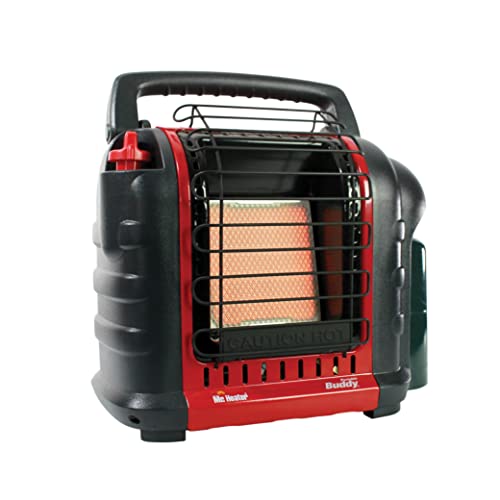
The Mr. Heater Portable Buddy MH9BX is a compact propane radiant heater designed to provide direct, sun-like warmth. It delivers 4,000–9,000 BTUs, suitable for heating enclosed tent spaces up to about 225 sq. ft. The unit uses advanced infrared technology that warms people and objects rather than just air, improving perceived comfort in cold conditions.
Safety features include an improved tip-over safety switch that engages audibly if the unit is jostled, and a reliable Piezo igniter for matchless start-up. The product is noted for quick ignition without batteries and for being nearly 100% clean-burning when used per manufacturer guidelines. For tent use, ensure adequate ventilation and follow manufacturer safety guidance regarding oxygen depletion and clearance from flammable materials.
Mr. Heater MH9BX Massachusetts/Canada Approved
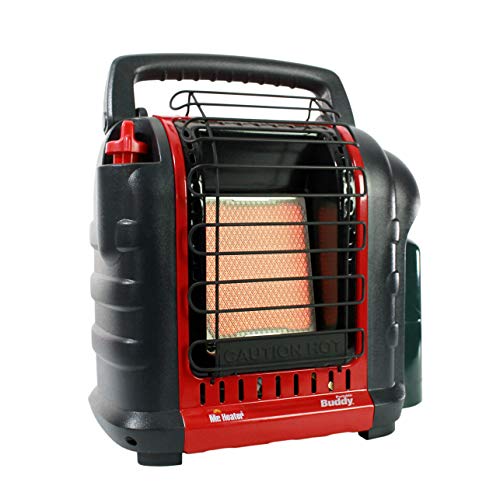
This version of the MH9BX carries approvals for specific regional codes, which can be relevant depending on local regulations. It shares the same 4,000–9,000 BTU output and radiant heating approach, effective for spaces up to 225 sq. ft. The design emphasizes clean-burning combustion and high efficiency.
Call 888-896-7031 for Free Local HVAC Quotes – Compare and Save Today!
Safety systems include automatic shut-off if the device senses low oxygen (ODS), pilot outage, or tip-over. The product documentation notes potential altitude-related shutdown above 7,000 feet, which is important for high-elevation camping. For tent deployment, follow clearance and ventilation rules and confirm whether local regulations permit this style of heater in your camping area.
Mr. Heater MH4B Little Buddy
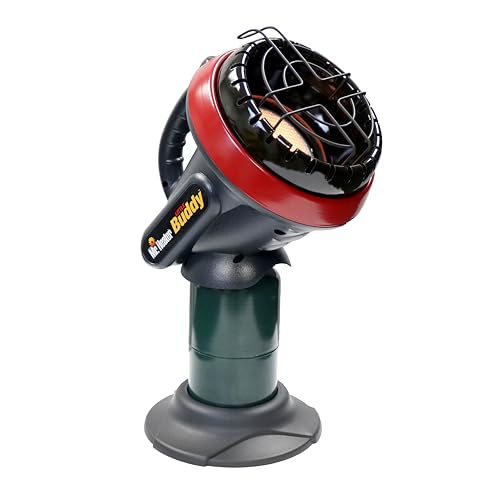
The MH4B Little Buddy is a smaller, lower-output option delivering 3,800 BTU aimed at compact tents and small enclosed spaces up to about 95 sq. ft. It produces a 45° heating angle to focus warmth where occupants are located.
This model includes an automatic low oxygen shut-off system (ODS), tip-over protection, and a patented cross-thread connection to reduce cylinder leaks. Runtime at max output on a 1 lb cylinder is listed around 5.6 hours, offering predictable duration for short trips. Its lightweight design supports portability while maintaining key safety redundancies for tent use.
HEATHIVE Portable Propane Heater For Camping

The HEATHIVE portable propane heater targets campers seeking a compact cordless solution. It emphasizes one-push electric ignition and a foldable stand for quick setup. The design focuses on portability with a durable carrying case for transport and storage.
Call 888-896-7031 for Free Local HVAC Quotes – Compare and Save Today!
Features highlight consistent, radiant heat suitable for outdoor environments such as tents, deer blinds, and ice fishing shelters. The product prioritizes user-friendly setup and minimal upkeep. As with other propane units, observe ventilation requirements and positioning to maintain safe oxygen levels within tents or enclosed shelters.
Haoteey 2-In-1 13500 BTU Tent Heater Stove

The Haoteey 2-in-1 unit is a higher-output option that functions as both a propane radiant heater and a detachable camping stove. Output is adjustable from roughly 3,680 to 13,500 BTU, offering broader versatility for cold-weather camping and cooking needs.
Design elements include a windscreen, a safety guard, and a gas hose with regulator allowing connection to different fuel canisters via included adapters. The top detaches to serve as a stove that supports cookware up to a rated weight. This model suits groups needing both heating and cooking capability but requires careful use inside tents—observe manufacturer ventilation and clearance guidance to minimize fire and carbon monoxide risks.
Buying Guide: How To Choose A Tent Camping Heater
Selecting a tent heater requires balancing safety, heat output, fuel type, portability, and local regulations. Below are key considerations and comparative perspectives to guide purchase decisions.
Heat Output And Coverage
BTU ratings indicate maximum thermal output. Small personal tents can be warmed with 3,000–4,000 BTU units, while larger group tents or multi-person shelters may require 8,000–13,500 BTU devices. Consider tent volume, insulation, and expected outside temperatures when matching BTU to needs.
Fuel Type: Propane Vs Electric
- Propane Radiant Heaters: Common for camping due to cordless operation and high output. They heat people and gear directly and can operate in off-grid settings. Require safe storage of cylinders, leak checks, and attention to oxygen levels inside tents.
- Electric Heaters: Safer in enclosed spaces regarding combustion but require shore power, generator, or high-capacity battery and are often lower wattage. Use where electrical supply is available or for indoor-style shelters.
Safety Features
Key systems include ODS (oxygen depletion sensors), tip-over shut-offs, overheat protection, and sturdy guards around heating elements. Always confirm that the heater is intended for enclosed use before bringing it into a tent and follow clearance distances specified by the manufacturer.
Portability And Runtime
Evaluate weight, dimensions, and whether the unit has a carrying case or handle. For propane devices, check estimated runtime on a 1 lb cylinder to plan resupply; for electric models, check wattage vs available power sources. Foldable stands and compact footprints aid tent placement.
Ignition And Ease Of Use
Piezo or electric igniters allow matchless starts. Consider units with simple controls, one-push ignition, and clear flame regulation. For cold fingers and quick starts, reliable igniters reduce hassle.
Altitude And Environmental Limits
Some heaters may shut off or perform differently at high elevation due to lower oxygen and pressure. If camping above 7,000 feet, choose models rated for high-elevation operation or verify manufacturer guidance.
Dual-Purpose Options
2-in-1 units that double as stoves add versatility for cooking and heating. These are useful for long trips and groups but add weight and require careful in-tent use. If cooking inside an enclosed area, ensure adequate ventilation and safe stove placement.
Regulatory And Site Restrictions
Check campground rules and local codes regarding open-flame devices and heaters inside tents. Some parks restrict the use of fuel-burning heaters in certain shelters or areas. Choose certified models and carry required accessories like regulators and approved hoses.
Comparison Perspectives
- Solo Camper On A Lightweight Trip: Favor low-weight, low-BTU propane radiant units or compact ceramic electric heaters if power is available.
- Group Camping And Cooking Needs: Consider higher-BTU 2-in-1 heaters/stoves that support cookware and warm larger spaces.
- Car Camping With Power Access: Electric ceramic heaters offer safe, quiet heating without combustion concerns but require electrical supply considerations.
Final selection should weigh ventilation requirements, intended use (sleeping vs briefly warming), fuel logistics, and the heater’s safety certifications. Always follow manufacturer instructions for tent use to reduce combustion-related hazards and oxygen depletion risks.
Tips for Getting the Best HVAC Prices
- Prioritize Quality Over Cost
The most critical factor in any HVAC project is the quality of the installation. Don’t compromise on contractor expertise just to save money. - Check for Rebates
Always research current rebates and incentives — they can significantly reduce your overall cost. - Compare Multiple Quotes
Request at least three estimates before making your choice. You can click here to get three free quotes from local professionals. These quotes include available rebates and tax credits and automatically exclude unqualified contractors. - Negotiate Smartly
Once you've chosen a contractor, use the proven strategies from our guide — How Homeowners Can Negotiate with HVAC Dealers — to get the best possible final price.