
Looking For A Compact Indoor Heater That Works For Desks, Bedrooms, Or Camping? This Guide Reviews Five Popular Portable Space Heaters Available On Amazon And Explains Key Buying Considerations, Including Battery Alternatives Since True Battery-Powered Space Heaters Are Rare.
| Product | Type | Key Feature |
|---|---|---|
| Amazon Basics Ceramic Mini Heater (500W) | Electric (Plug-In) | Ultra-compact, lightweight |
| Dreo Space Heater 1500W PTC | Electric (Plug-In) | Digital thermostat, remote, high output |
| WINHL 1500W PTC Oscillating Heater | Electric (Plug-In) | Auto oscillation, rapid PTC heating |
| Mr. Heater Portable Buddy (Propane) | Propane Radiant Heater | Indoor-safe propane radiant heat, 4,000–9,000 BTU |
| VOCRS 1500W PTC Electric Heater | Electric (Plug-In) | Remote, timer, multiple power modes |
Content Navigation
- Amazon Basics Ceramic Space Heater Mini (500W)
- Dreo Space Heater 1500W PTC With Thermostat
- WINHL Small Portable PTC Heater With Oscillation
- Mr. Heater Portable Buddy MH9BX (Propane)
- VOCRS 1500W PTC Electric Heater With Remote
- Buying Guide: How To Choose A Portable Indoor Space Heater
- Power Source: Electric, Propane, Or Battery Alternatives
- Heating Technology: Ceramic/PTC vs Infrared/Radiant
- Power And Coverage
- Safety Features To Look For
- Controls, Timers, And Thermostat Accuracy
- Portability And Physical Size
- Energy Efficiency And Operating Costs
- Noise And Comfort Features
- Maintenance And Durability
- Comparison Perspectives
Amazon Basics Ceramic Space Heater Mini (500W)

This compact 500W ceramic heater is designed for localized warmth at desks and small indoor areas. The unit measures under six inches in each relevant dimension and weighs about 1.4 pounds, making it highly portable for moving between rooms.
Features listed by the manufacturer include ceramic coils for quick heat, a compact footprint ideal for tight spaces, and a lightweight design for easy transport. The lower power draw (500W) makes it suitable where circuit load is a concern or for personal-zone heating without heating an entire room.
Safety specifications include built-in tip-over protection. Performance is best in small, enclosed areas; expect gradual room warming rather than whole-room heating. No battery operation is provided; this model requires a standard AC outlet.
Dreo Space Heater 1500W PTC With Thermostat

Call 888-896-7031 for Free Local HVAC Quotes – Compare and Save Today!
The Dreo unit Is A Higher-Powered Electric Option With A 1500W PTC Heating Element And A Digital Thermostat For Precise Temperature Control. It Offers A Wide Temperature Range With 1°F Increments And A Digital Display For Accurate Settings.
Manufacturer features include an advanced PTC system, a heat funnel design for increased reach, tilt-detection sensor for enhanced tip-over protection, V0 flame-retardant materials, overheat protection, and ETL certification. The unit includes a programmable timer and remote control.
Use Cases: Intended For Bedrooms, Offices, Or Larger Small Rooms Where Faster Heat And Precise Thermostat Control Are Required. This Is A Plug-In Electric Heater, Not A Battery Model; however, the safety features and efficient PTC design help reduce runtime and energy waste.
WINHL Small Portable PTC Heater With Oscillation

The WINHL Model Combines Rapid PTC Ceramic Heating With Wide-Angle Automatic Oscillation To Spread Warm Air More Evenly Across Small Rooms. It Offers Multiple Modes, A 12-Hour Timer, And Remote Control Operation.
Primary features include a fast heat-up PTC element for immediate comfort, automatic oscillation to expand coverage, and smart remote control for convenience. Suitable For Home Offices, Bedrooms, And Living Areas Where Even Air Distribution Is Important.
Call 888-896-7031 for Free Local HVAC Quotes – Compare and Save Today!
Safety Measures Include Standard Overheat And Tip-Over Protections. This Model Requires AC Power; it Is Not Designed For Battery Operation. The oscillation function differentiates it from small stationary mini-heaters by improving perceived warmth across a wider area.
Mr. Heater Portable Buddy MH9BX (Propane)
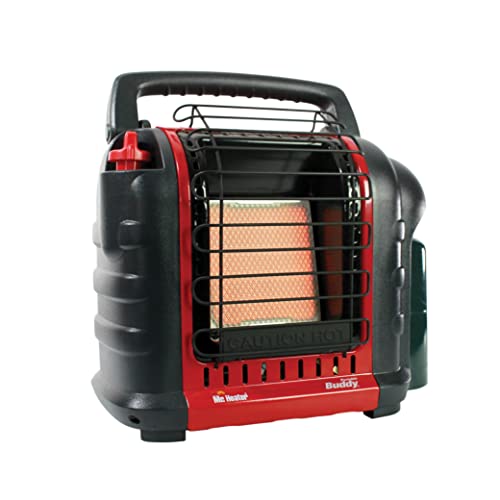
The Mr. Heater Portable Buddy Is A Propane-Powered Radiant Heater Designed For Indoor-Safe Use In Well-Ventilated Spaces. It Provides Adjustable Output From 4,000 To 9,000 BTU And Uses Infrared Technology To Heat Objects And People Directly.
Manufacturer features include improved tip-over safety switch with audible engagement, piezo igniter for matchless lighting, and suitability for spaces up to roughly 225 sq. ft. The product is positioned as a portable heating solution when AC power is unavailable.
Important Safety Note: Although Marketed As “Indoor-Safe,” Propane Heaters Require Proper Ventilation And Carbon Monoxide Awareness. This Is A Fuel-Based Alternative To Electric Heaters, Not Battery-Powered. Users Should Follow All Manufacturer Safety Instructions And Local Codes.
VOCRS 1500W PTC Electric Heater With Remote

The VOCRS Unit Offers Three Heating Modes (700W/1000W/1500W), A 1–12 Hour Timer, And Remote Control For Convenience. The Digital Display Shows Temperature And Operating Status For Simple Monitoring.
Manufacturer-stated features include multiple power settings to tailor energy use, timer functionality for scheduled shutoff, and safety features such as overheat protection. The combination of modes allows balance between rapid heating and energy savings.
This Heater Is A Plug-In Electric Product And Does Not Offer Battery Operation. It Is Appropriate For Bedrooms, Home Offices, And Dorm Rooms Where Remote Convenience And Timer Control Improve Usability.
Buying Guide: How To Choose A Portable Indoor Space Heater
Most Compact Space Heaters Are Electric Plug-In Models; True Battery-Powered Space Heaters Are Rare Because Of The High Power Demand Needed To Generate Heat. This Buying Guide Explains Key Considerations To Match A Heater To Your Needs.
Power Source: Electric, Propane, Or Battery Alternatives
- Electric (Plug-In) — Most common for indoor use; available in low-power (500W) personal models and high-power (1500W) room heaters. Requires standard AC outlet and can be paired with thermostatic control to save energy.
- Propane — Useful where electricity is unavailable (camping, workshops). Some models are rated “indoor-safe” but need strict ventilation and CO monitoring. Not a battery solution.
- Battery Alternatives — True battery-powered heaters with meaningful output are uncommon due to energy density limits of batteries. For emergency use, consider battery-powered heated clothing, chemical/hand warmers, or invertors with large battery banks paired with an inverter and a low-wattage heater—keeping in mind run times will be limited.
Heating Technology: Ceramic/PTC vs Infrared/Radiant
- Ceramic/PTC — Rapid warm-up, safe surface temps, often includes thermostat control. Efficient for small-to-medium rooms.
- Infrared/Radiant — Directly heats objects and people rather than air; effective in drafty or semi-outdoor spaces and for spot heating.
Power And Coverage
- Wattage — 500W models are best for close-proximity personal warming. 1500W models are common maximums for residential circuits and provide rapid room heating for small rooms.
- BTU — Propane heaters list BTU output; higher BTU equals larger coverage. Convert roughly 1,000 BTU ≈ 293 W when comparing fuels, but efficiency and heat delivery differ by technology.
- Room Size — Match heater output to room volume. Small desks/areas: 500W–700W. Small bedrooms and offices: 1,000W–1,500W. Larger spaces may require multiple units or central heating.
Safety Features To Look For
- Tip-Over Protection — Automatic shutoff if knocked over; essential for portable units.
- Overheat Protection — Shuts unit down if internal temperatures exceed safe limits.
- Certifications — Look for ETL, UL, CSA, or equivalent listings to ensure tested safety.
- Fuel Safety — For propane, ensure clear instructions on ventilation and carbon monoxide detectors in enclosed spaces.
Controls, Timers, And Thermostat Accuracy
- Digital Thermostats — Allow precise temperature control and can reduce energy use by cycling the heater efficiently.
- Timers — Useful for scheduled operation and overnight safety—set-and-forget capability improves convenience and energy savings.
- Remotes and Smart Controls — Remote controls and programmable settings increase usability when the heater is used from a desk or bed.
Portability And Physical Size
- Weight — Lighter models are easier to move but may have lower heat output.
- Footprint — Compact footprints fit desks and shelves but will heat smaller volumes; oscillation can help increase effective coverage.
- Handles And Design — Look for handles or carry features if you plan to move the unit frequently.
Energy Efficiency And Operating Costs
- Lower Wattage Models — Consume less electricity but provide less heat; ideal for personal heating or supplementing central heat.
- Thermostat Control — Helps maintain a target temperature and prevents unnecessary energy use.
- Mode Selection — Eco modes, multiple heat levels, and timers help optimize runtime and energy consumption.
Noise And Comfort Features
- Fan Noise — Some ceramic units use fans and can produce audible noise; consider this for bedrooms and quiet offices.
- Oscillation — Improves distribution and perceived warmth but may introduce additional sound.
Maintenance And Durability
- Cleaning — Periodically remove dust from air intakes to maintain performance and safety.
- Build Materials — Flame-retardant plastics and robust grills improve longevity; check warranty and build quality.
Comparison Perspectives
- Personal Zone Vs Room Heating — Choose a lower-wattage mini heater for direct, close-in warmth. For whole-room comfort, select a 1500W electric heater or multiple distributed units.
- Indoor Safety Vs Off-Grid Needs — Electric plug-in heaters are generally safest indoors with fewer ventilation concerns. Propane units provide heat without power but require ventilation and CO monitoring.
- Battery Tradeoffs — Battery-powered heating that approaches the output of plug-in or fuel heaters requires very large batteries or inverter setups. For portability without mains power, consider radiant propane for short-term use or clothing-based heating for personal warmth.
Final Practical Tips: Always follow manufacturer instructions, avoid running high-wattage heaters on overloaded circuits, keep flammable materials away from heaters, and install carbon monoxide detectors if using any fuel-based heating indoors.
Tips for Getting the Best HVAC Prices
- Prioritize Quality Over Cost
The most critical factor in any HVAC project is the quality of the installation. Don’t compromise on contractor expertise just to save money. - Check for Rebates
Always research current rebates and incentives — they can significantly reduce your overall cost. - Compare Multiple Quotes
Request at least three estimates before making your choice. You can click here to get three free quotes from local professionals. These quotes include available rebates and tax credits and automatically exclude unqualified contractors. - Negotiate Smartly
Once you've chosen a contractor, use the proven strategies from our guide — How Homeowners Can Negotiate with HVAC Dealers — to get the best possible final price.