
Keeping roofs, gutters, and valleys free of snow and ice protects structures from leaks, ice dams, and damage. This guide reviews five popular Amazon roof-heating solutions, comparing mats, self-regulating heat cables, and valley heaters to help you match product features to roof type and climate.
| Product | Type | Key Feature |
|---|---|---|
| H&G Lifestyles Roof Heat Metal Panel | Heated Panel / Mat | Self-regulating panels for fast snow melt |
| WUKHG 60FT Roof Heat Cable | Fixed Wattage Cable | Durable PVC with copper core, 5W/ft |
| WarmlyYours Roof Snow De-Icing Cable 100 ft | Heat Tape Kit | DIY kit with clips and spacers, 5W/ft |
| RHS Valley Heater Snow Melting System | Melting Mats / Valley Heater | UL components, melts ~2 inches per hour |
| TOPDURE 240ft Roof & Gutter Kit | Self-Regulating Cable | ETL & CSA certified, pre-assembled plug |
Content Navigation
H&G Lifestyles Roof Heat Metal Panel For Ice Dams

The H&G Lifestyles metal panel system combines metal panels with embedded heating pads to target snow and ice on roof surfaces and gutters. Its design emphasizes efficient snow melting and is intended to outperform traditional heating cables by spreading heat over a wider surface.
Key features listed include self-regulating heating elements that adjust output based on ambient temperature, and versatile installation on wood, metal, and other roof types. The panels are positioned to prevent ice dams and icicles around gutters and downspouts.
Practical considerations: panels require secure attachment to the roof surface and routing of electrical supply. Because the system covers a defined area, it may be preferable where targeted roof strips or gutter protection are needed rather than full-roof runs.
WUKHG 60FT Roof Heat Cable 120V Heat Tape

Call 888-896-7031 for Free Local HVAC Quotes – Compare and Save Today!
The WUKHG 60FT heat cable is a constant wattage roof and gutter heat tape rated at 5W/ft and designed to prevent ice dams by keeping drainage paths open. Construction highlights include a PVC outer jacket and a pure copper core for heat conduction and flexibility.
Manufacturer features point to a waterproof-treated end seal, inner copper-wound blast guard for flexibility, and performance up to ~158°F. It is CSA-certified to meet common safety/performance standards for fixed-wattage cable systems.
Installation notes: fixed-wattage cable maintains a steady output regardless of ambient temperature, which can be effective for steady melting but may consume more energy in milder conditions versus self-regulating types. Suitable for straightforward gutter and downspout runs or zig-zag roof patterns.
WarmlyYours Roof Snow De-Icing Heat Cable 100 ft

The WarmlyYours kit is presented as a DIY-friendly de-icing cable system for roofs and gutters. It includes a plug-in heat cable, clips, and spacers to fit a variety of roof layouts and common non-combustible shingles and gutters.
Key product details promote easy installation without professional help and consistent 5W/ft heat output for reliable melt performance in freezing conditions. The kit is positioned for homeowners looking to protect rooflines and gutter systems before winter storms.
Call 888-896-7031 for Free Local HVAC Quotes – Compare and Save Today!
Considerations: as a fixed 5W/ft solution, the WarmlyYours cable is straightforward to design into runs for drip edges, gutters, and valleys. It is commonly used where building codes allow plug-in solutions and where users prefer a ready-made kit with mounting hardware.
RHS Valley Heater Snow Melting System
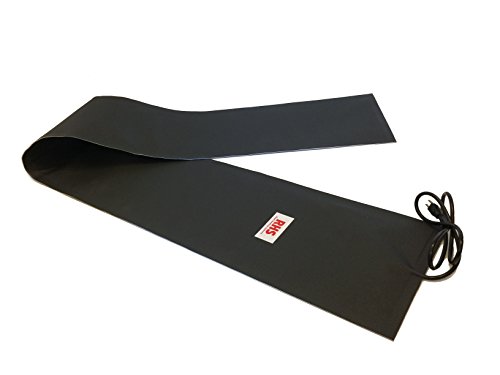
The RHS Valley Heater is a purpose-built roof valley and snow melting mat designed to rapidly clear snow and prevent water backup in roof valleys and other critical drainage zones. Manufacturer claims indicate the system can melt up to 2 inches of snow per hour under specified conditions.
Components are UL-listed and designed for harsh environments, with a waterproofed assembly and 40 watts per foot at 120V. The unit is available in standard lengths and can be customized up to larger sizes for specific installations.
Use cases: valley heaters are ideal for concentrated runoff areas where snow accumulation causes ice dam formation. They reduce the need to run continuous cable across the entire roof and focus power where drainage performance is critical.
TOPDURE 240ft Roof & Gutter De-Icing Kit
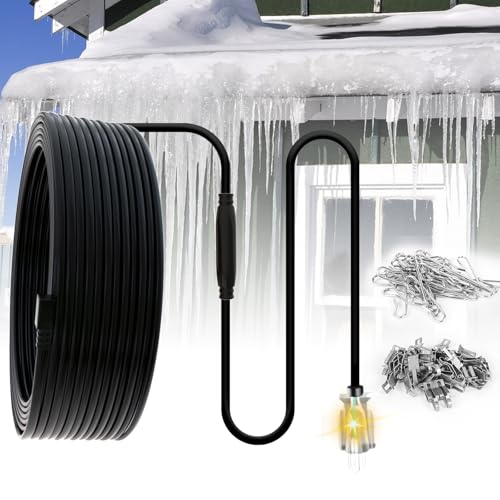
TOPDURE supplies a self-regulating heating cable packaged as a pre-assembled kit with a 6-foot cold lead and plug. The cable is ETL and CSA certified, and the listing emphasizes full certification of the cable and plug rather than partial certifications.
Construction features include XLPE inner insulation, aluminum foil screening, and a tinned copper braid for protection. The self-regulating element reduces power draw as temperatures rise and ramps power up in extreme cold, offering energy efficiency compared to fixed wattage options.
Practical considerations: pre-assembled, plug-in readiness reduces initial wiring steps for homeowners. Self-regulating cables are often preferred for mixed climate zones or where variable output offers both safety and energy savings across changing winter conditions.
Buying Guide For Roof Heaters
Types Of Roof Heating Systems
- Self-Regulating Cable: Adjusts heat output to ambient temperature. Good energy efficiency and safer near varying thermal conditions.
- Constant Wattage Cable: Delivers fixed output (commonly 5W/ft). Simpler design, predictable melt rate, may use more power in mild conditions.
- Heating Mats / Panels: Spread heat over a surface area, ideal for valleys, eaves, and targeted strips where concentrated melting is needed.
- Valley Heaters: Engineered mats for roof valleys; effective for concentrated runoff and ice dam prevention in drainage zones.
Key Performance Factors
- Wattage Per Foot: Higher wattage increases melt capacity. Common values: 5W/ft fixed, up to 8W/ft or higher for heavy-duty needs.
- Self-Regulating Versus Fixed: Self-regulating reduces output as conditions warm, saving energy and reducing overheat risk. Fixed wattage provides steady heat but can be less efficient in variable climates.
- Coverage Area: Match cable length and mat width to drip edges, gutters, and valleys. Plan runs to keep drainage paths open rather than heating entire roofs where impractical.
- Installation Complexity: Mats/panels may require more mounting hardware and roof penetration planning. Plug-in kits are simpler for DIY installations when allowed by local codes.
Safety, Certification, And Durability
- Certifications: Look for ETL, CSA, or UL listings that apply to the cable and overall kit. Full cable certification is preferable to partially certified assemblies.
- Waterproofing And End Seals: Durable end sealing prevents moisture ingress. Waterproof components are essential for long-term outdoor exposure.
- Outer Jacket & Insulation: Materials like XLPE, TPE, or polyolefin provide mechanical protection and temperature resistance. Braided shielding or foil enhances durability.
Roof And Climate Considerations
- Roof Material: Ensure compatibility with shingles, metal roofs, rubber membranes, or wood decks. Some systems are specified for noncombustible shingles or metal.
- Ice Dam Risk Areas: Focus heating on eaves, valleys, and gutters where ice dams typically form. Valley heaters and panels are efficient for concentrated runoff zones.
- Snow Load And Melt Rate: In heavy snow climates, select higher wattage or wider mats to maintain melt capacity. Manufacturers often publish melt rates (e.g., inches/hour) under test conditions.
Installation And Maintenance
- Mounting Hardware: Use recommended clips, spacers, and grommets to secure cable or mats. Improper fastening can reduce effectiveness and cause wear.
- Power Supply: Determine whether a plug-in cold lead is acceptable by local electrical code or if hardwiring to a dedicated circuit is required.
- Testing And Inspection: Periodic inspection of cable integrity and connections before winter ensures reliable operation. Replace damaged sections per manufacturer guidance.
Cost, Energy Use, And Long-Term Value
- Energy Consumption: Self-regulating cables usually lower energy use by reducing output when temperatures rise. Fixed-wattage systems run continuously at rated output.
- Targeted Use Versus Full Coverage: Heating only vulnerable areas (eaves, valleys, gutters) reduces installed length and energy needs compared to whole-roof systems.
- Durability And Warranty: Compare manufacturer warranties and build quality. Higher upfront cost can be offset by longer lifespan and lower energy use.
Comparison Perspectives
- Best For Targeted Valley Protection: Valley heaters and mats (e.g., RHS) concentrate melt where drainage matters most.
- Best For Energy Efficiency: Self-regulating cables (e.g., TOPDURE) adapt output and can save power across variable winters.
- Best For DIY Simplicity: Plug-and-play kits with clips and cold leads (e.g., WarmlyYours) reduce installation complexity when code permits.
- Best For Durable Fixed Heat: Constant wattage cables (e.g., WUKHG) provide steady performance and are often robust against rugged handling.
When selecting a roof heating solution, weigh roof geometry, local climate severity, installation constraints, and certification requirements. Matching system type to the specific problem areas—whether full eave coverage, valley melting, or gutter protection—ensures targeted performance and efficient use of energy and materials.
Tips for Getting the Best HVAC Prices
- Prioritize Quality Over Cost
The most critical factor in any HVAC project is the quality of the installation. Don’t compromise on contractor expertise just to save money. - Check for Rebates
Always research current rebates and incentives — they can significantly reduce your overall cost. - Compare Multiple Quotes
Request at least three estimates before making your choice. You can click here to get three free quotes from local professionals. These quotes include available rebates and tax credits and automatically exclude unqualified contractors. - Negotiate Smartly
Once you've chosen a contractor, use the proven strategies from our guide — How Homeowners Can Negotiate with HVAC Dealers — to get the best possible final price.