
Choosing a compact propane heater for a small room, garage, workshop, or tent requires balancing heat output, safety features, and portability. Below is a concise comparison of five well-matched personal propane heaters selected for indoor-safe or vent-free operation and portable use.
| Model | Type / BTU | Suggested Coverage | Key Safety |
|---|---|---|---|
| Mr. Heater Portable Buddy MH9BX | Radiant / 4,000–9,000 BTU | Up To 225 Sq. Ft. | Tip-Over Switch, Piezo Igniter |
| Mr. Heater Little Buddy MH4B | Radiant / 3,800 BTU | Up To 95 Sq. Ft. | ODS, Tip-Over Shut-Off |
| Mr. Heater 4K–18K Dual Tank Unit | Radiant / 4,000–18,000 BTU | Up To 450 Sq. Ft. | Automatic Safety Shutoff, Piezo |
| Bluegrass Living B18TPIR-BB | Infrared Vent-Free / 18,000 BTU | Up To 950 Sq. Ft. | Thermostat Control, Vent-Free Design |
| ProCom ML200TBA-B | Blue Flame Ventless / 20,000 BTU | Up To 950 Sq. Ft. | Thermostat, Wall Mountable |
Content Navigation
- Mr. Heater Portable Buddy Heater MH9BX
- Mr. Heater F215100 Little Buddy MH4B
- Mr. Heater 4,000–18,000 BTU Portable LP Gas Heater
- Bluegrass Living Vent Free Infrared Space Heater B18TPIR-BB
- ProCom ML200TBA-B Ventless Blue Flame Space Heater
- Buying Guide — How To Choose A Personal Propane Heater
- 1. Determine The Intended Use
- 2. Match BTU To Space Size
- 3. Safety Features To Prioritize
- 4. Fuel Source And Runtime
- 5. Heater Type: Radiant vs. Blue Flame vs. Infrared
- 6. Portability And Installation
- 7. Indoor Air Quality And Local Regulations
- 8. Controls And Usability
- 9. Noise, Airflow, And Distribution
- 10. Maintenance And Durability
Mr. Heater Portable Buddy Heater MH9BX
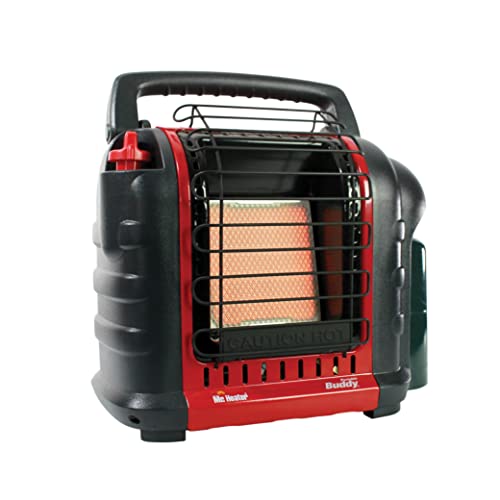
This portable radiant heater provides direct, sun-like warmth using infrared technology. It offers adjustable output from 4,000 to 9,000 BTU and is rated to heat spaces up to about 225 sq. ft. The unit uses a durable Piezo igniter for matchless start-up and contains an improved tip-over safety switch that audibly engages if the unit is tipped or jarred.
Best suited for campers, workshops, patios, and similar spaces, the MH9BX focuses heat on objects and people rather than heating large volumes of air. The radiant approach is efficient for spot warming and short-term use in semi-enclosed spaces. The safety features support indoor-safe use when ventilation and manufacturer guidelines are followed.
Mr. Heater F215100 Little Buddy MH4B
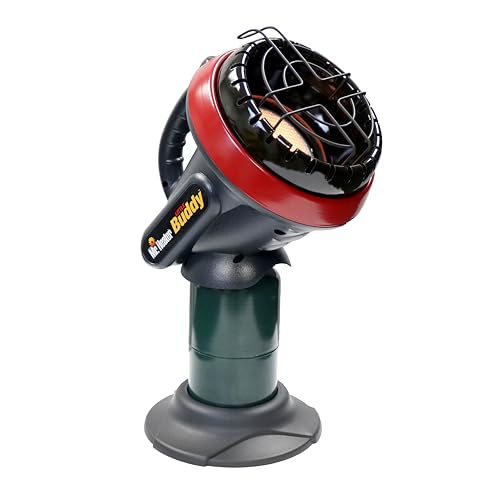
The Little Buddy is a small, lightweight 3,800 BTU radiant heater designed for tight spaces up to 95 sq. ft. It provides a focused 45° heating angle and offers reliable operation at elevations up to 7,000 feet. Run time at max output on a 1-pound cylinder is roughly 5.6 hours, making it suitable for short trips or temporary indoor use.
Call 888-896-7031 for Free Local HVAC Quotes – Compare and Save Today!
Safety features include an Automatic Low Oxygen Shut-off System (ODS), cross-thread protection, and tip-over shut-off. The unit is cordless and operates without batteries, using a simple on/off control and a piezo igniter. The Little Buddy is optimized for tenting, small cabins, and closely confined work spaces where limited radiant heat is needed.
Mr. Heater 4,000–18,000 BTU Portable LP Gas Heater
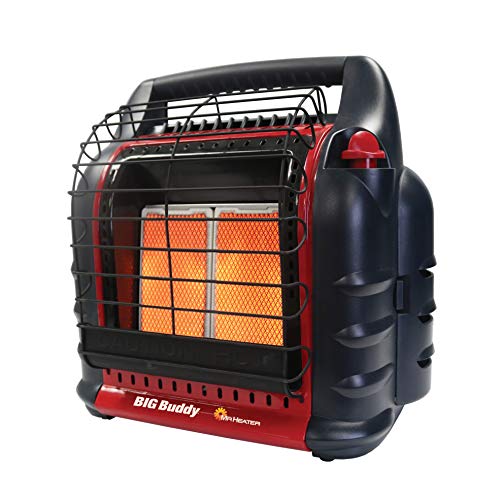
This variable-output propane heater supports three heat levels—4,000, 9,000, and 18,000 BTU—allowing flexible coverage up to about 450 sq. ft. It can run from small 1-lb cylinders or connect to larger tanks up to 40 lbs with the appropriate hose and filter, expanding useful run time and application.
The unit uses a single control knob with a piezo spark igniter and automatic safety shutoff for tip-over situations. Its adjustable output makes it appropriate for both portable outdoor gatherings and larger indoor or semi-enclosed spaces when installed and vented according to local codes and manufacturer guidance.
Bluegrass Living Vent Free Infrared Space Heater B18TPIR-BB

This vent-free infrared heater produces up to 18,000–20,000 BTU and is rated to serve areas up to about 950 sq. ft. It includes thermostat control to cycle on and off to maintain the set temperature, and a blower option for more even heat distribution.
Call 888-896-7031 for Free Local HVAC Quotes – Compare and Save Today!
Vent-free units deliver nearly all BTU output to the room and do not require ducting, but they require proper installation and consideration of indoor air quality. The Bluegrass Living model emphasizes efficiency and thermostat regulation, making it an option for longer-term space heating in living areas, garages, or workshops where vent-free systems are permitted.
ProCom ML200TBA-B Ventless Blue Flame Space Heater

The ProCom ML200TBA-B is a compact blue flame ventless heater offering up to 20,000 BTU with thermostat-controlled High/Medium/Low settings. It includes wall-mount hardware and base feet for floor placement, providing installation flexibility for residential spaces up to roughly 950 sq. ft.
Blue flame ventless heaters heat the air and are often used for general room heating. They typically provide steady, even warmth when used with appropriate ventilation and monitoring of indoor combustion byproducts. Thermostat control adds convenience for maintaining set temperatures without constant manual adjustment.
Buying Guide — How To Choose A Personal Propane Heater
Selecting a personal propane heater involves evaluating use case, heat output, safety features, fuel options, and installation or placement. Below are the main considerations and comparisons to guide selection.
1. Determine The Intended Use
- Camping/Tents Or Short-Term Spot Heating: Choose smaller radiant units (3,800–9,000 BTU) with tip-over protection and ODS if used in enclosed tents.
- Garages/Workshops/Patios: Consider mid-range portable units with higher BTU or dual-tank capability for extended runtime and larger coverage.
- Whole-Room Heating: Vent-free infrared or blue flame models with thermostats suit longer-term room heating where codes allow vent-free operation.
2. Match BTU To Space Size
- Small Spaces (under 150 sq. ft.): 3,000–5,000 BTU often adequate for spot warmth.
- Medium Spaces (150–450 sq. ft.): 9,000–18,000 BTU provides broader coverage.
- Large Rooms (450–950+ sq. ft.): 18,000–20,000 BTU vent-free or blue flame units are appropriate—note increased ventilation needs.
3. Safety Features To Prioritize
- Automatic Tip-Over Shutoff: Essential for portable use where accidental knocks may occur.
- Oxygen Depletion Sensor (ODS): Required for many indoor propane heaters to prevent unsafe combustion in confined spaces.
- Flame Failure/Overheat Protection: Prevents continued gas flow if ignition fails or the unit overheats.
- Protective Grilles: Helpful to reduce burn risk when heater surfaces are exposed.
4. Fuel Source And Runtime
- Small 1-lb Cylinder: High portability, shorter runtime (hours at max output).
- Larger 20–40 lb Tanks: Longer runtime with appropriate hoses and connectors; add mobility constraints.
- Dual-Tank Capability: Some units accommodate larger tanks or dual connections for extended use.
5. Heater Type: Radiant vs. Blue Flame vs. Infrared
- Radiant/Infrared: Heats objects and people directly; efficient for spot heating and outdoor/semi-enclosed areas.
- Blue Flame / Ventless: Heats the air and provides consistent ambient warmth; best for indoor spaces with adequate ventilation and code allowance.
- Blower-Equipped Infrared: Moves warm air for more even distribution but adds electrical reliance and potential noise.
6. Portability And Installation
- Portable Units: Lighter models with handles and small fuel cylinders are ideal for camping and temporary tasks.
- Mountable/Stationary Units: Wall-mount or floor-mounted vent-free heaters offer a more permanent heating solution and may require secure installation.
7. Indoor Air Quality And Local Regulations
- Vent-Free Considerations: Vent-free heaters are efficient but release combustion byproducts into the room; verify local building codes and ensure adequate ventilation.
- Carbon Monoxide Safety: While many indoor-safe models incorporate ODS, pairing a heater with a carbon monoxide alarm is recommended when burning propane indoors.
8. Controls And Usability
- Thermostat Control: Enables steady temperature maintenance and improved efficiency for longer use.
- Ignition Type: Piezo and electronic ignitions avoid matches and simplify start-up; electronic ignition may require small batteries or power.
- Simple Knobs Vs. Digital Displays: Basic knobs are rugged and easy to use, while digital controls add precision at the cost of complexity.
9. Noise, Airflow, And Distribution
- Infrared/radiant units are typically quiet and focus heat in one direction.
- Blower-equipped models increase distribution but add noise and sometimes electrical dependency.
- Blue flame heaters heat the entire room slowly and quietly, with less directional intensity.
10. Maintenance And Durability
- Look for units with durable igniters and protective grilles to resist workshop debris.
- Vent-free combustion requires periodic inspection of orifices and burners for soot or dirt buildup.
- Follow manufacturer recommendations for hoses, filters, and annual checks if using larger tanks or stationary installations.
Comparing the selected models: the Mr. Heater Portable Buddy and Little Buddy prioritize portability and radiant spot heating with robust safety switches for enclosed, short-term use. The 4K–18K Mr. Heater model adds flexibility for larger spaces and connection to bigger tanks. The Bluegrass Living and ProCom vent-free units emphasize whole-room heat with thermostat controls and are suitable where vent-free operation is permitted.
Tips for Getting the Best HVAC Prices
- Prioritize Quality Over Cost
The most critical factor in any HVAC project is the quality of the installation. Don’t compromise on contractor expertise just to save money. - Check for Rebates
Always research current rebates and incentives — they can significantly reduce your overall cost. - Compare Multiple Quotes
Request at least three estimates before making your choice. You can click here to get three free quotes from local professionals. These quotes include available rebates and tax credits and automatically exclude unqualified contractors. - Negotiate Smartly
Once you've chosen a contractor, use the proven strategies from our guide — How Homeowners Can Negotiate with HVAC Dealers — to get the best possible final price.