
Choosing the right timber stove patio heater means balancing heat output, safety for wooden decks, fuel type, and visual appeal. Below is a concise comparison table of selected products that work well on patios and timber surfaces, followed by detailed reviews and a practical buying guide to help you decide.
| Product | Type | Key Feature | Best For |
|---|---|---|---|
| CHARMELEON Wood Pellet Fire Pit | Portable Pellet Fire Pit | Painted Stainless Steel, Easy Ignition | Small patios, decorative ambiance |
| Atlas Authentic Wood Pellet Patio Heater | Wheeled Pellet Patio Heater | Smokeless Flame Technology, Portable | Patios needing mobility and low smoke |
| Rayzi 58 Inch Pellet Stove | Tall Pellet Patio Heater | Spiral Flame, Triple-Burn Tech | Visual focal point, longer run time |
| FIRE RIOT Outdoor Patio Heaters | Tower Pellet Heater | Glass Window, High BTU Output | Large patios, commercial-style heating |
| Fireproof Pros 36″ Fire Pit Protector | Heat-Resistant Mat | Triple-Layer, 6mm Thick Protection | Protecting timber decks and patios |
Content Navigation
- CHARMELEON Wood Pellet Fire Pits For Outside
- Atlas Authentic Wood Pellet Patio Heater
- Rayzi 58 Inch Pellet Stove, Patio Heater
- Outdoor Patio Heaters, Wood Pellet Outdoor Patio Heater
- Fireproof Pros 36″ Fire Pit Protector For Deck Or Patio
- Buying Guide: Choosing The Right Timber Stove Patio Heater
- Fuel Type And Burn Characteristics
- Heat Output Versus Coverage Area
- Deck And Timber Safety
- Smoke, Emissions, And Neighborhood Considerations
- Durability And Weather Resistance
- Mobility, Assembly, And Maintenance
- Safety Features
- Visual And Ambiance Factors
- Comparing Performance Perspectives
- Installation And Local Regulations
CHARMELEON Wood Pellet Fire Pits For Outside

The CHARMELEON Wood Pellet Fire Pit is a portable pellet heater designed for patios and small outdoor spaces. It features a painted stainless steel construction to resist rust and corrosion. The unit is intended to create a decorative flame pattern, adding ambiance while providing localized warmth.
Ignition is performed by layering wood pellets and a solid ethanol fire starter, then lighting the starter. The manufacturer describes this as a simple, repeatable process. The unit’s build materials emphasize durability for outdoor exposure.
For timber decks, this product is best used with appropriate heat protection beneath it and positioned on a non-flammable surface or protective pad. The design focuses on aesthetics and portability rather than high sustained BTU output for large areas.
Atlas Authentic Wood Pellet Patio Heater

Call 888-896-7031 for Free Local HVAC Quotes – Compare and Save Today!
The Atlas Authentic Wood Pellet Patio Heater emphasizes smokeless flame technology and portability. Built-in wheels allow easier positioning on patios or between outdoor seating areas. Assembly is reported as quick, aiming to be functional with minimal setup time.
Low-smoke combustion is a notable point for household use where smoke could disturb neighbors or be problematic on timber decks. Mobility combined with smokeless operation makes this unit suitable for moving away from flammable surfaces or onto a protective mat when in use.
This model is practical where users want a combination of clean burn characteristics and the flexibility to reposition the heater while considering timber safety and airflow clearance requirements.
Rayzi 58 Inch Pellet Stove, Patio Heater

The Rayzi 58 Inch Pellet Stove is a tall patio heater designed to serve as both a heat source and visual centerpiece. It highlights an enchanting spiral flame using thick glass piping to create a vortex flame effect, intended to enhance ambiance.
Constructed with a stable base and claiming triple-burn technology, Rayzi markets improved efficiency and reduced smoke. The hopper capacity noted supports several hours of continuous burn, which suits extended outdoor gatherings.
Call 888-896-7031 for Free Local HVAC Quotes – Compare and Save Today!
On timber surfaces, this taller unit requires careful installation and a suitable heat-resistant barrier beneath. The design is aimed at delivering longer run times and a strong visual presence while maintaining a cleaner burn compared to open wood fires.
Outdoor Patio Heaters, Wood Pellet Outdoor Patio Heater

The FIRE RIOT tower-style patio heater is designed for higher-output heating and features a glass window to showcase the burning pellets. The product description highlights a strong heat output and extended run time intended for larger areas and commercial use.
This heater uses wood pellets and claims significant BTU output and long burn periods, making it suitable for settings where sustained warmth is required. The glass window provides visibility of the flame while enclosing combustion to improve safety and aesthetics.
When used on timber decks or patios, this model’s higher heat output increases the importance of a dedicated heat-protective mat and adherence to clearance distances from combustibles. The unit is more aligned with large patios, restaurants, or event spaces.
Fireproof Pros 36″ Fire Pit Protector For Deck Or Patio
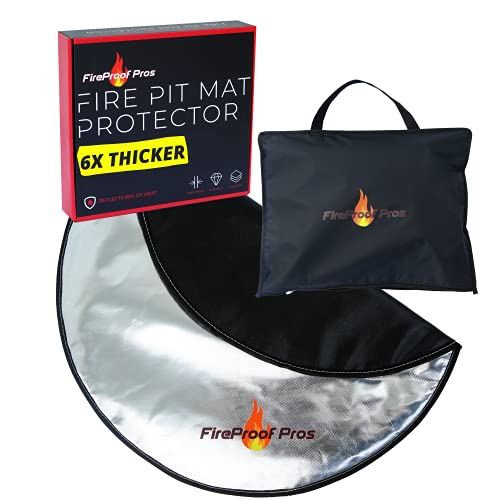
The Fireproof Pros 36″ Fire Pit Protector is a triple-layer heat-resistant mat designed specifically to protect decks and patios from high temperatures and sparks. It is 6mm thick and constructed to reflect and diffuse heat, reducing the risk of scorched timber.
Its top aluminum-fiberglass layer reflects most of the heat while the middle fiberglass-cotton layer diffuses remaining heat. The bottom silicone-coated layer resists slipping and resists peeling or flaking under high temperatures.
For anyone placing a timber stove patio heater or pellet fire pit on a wooden deck, this kind of mat is an important accessory to lower the risk of heat damage and meet common safety recommendations for use on combustible surfaces.
Buying Guide: Choosing The Right Timber Stove Patio Heater
Selecting the best heater for timber decks requires attention to safety, performance, and usability. This guide covers key factors to assess before purchasing.
Fuel Type And Burn Characteristics
- Wood Pellets: Offer cleaner combustion than raw wood and typically produce less smoke and embers. Pellet heaters often include hoppers for extended run times.
- Propane/Butane: Provide instant heat and easy control, but require gas canisters and different safety protocols for timber decks.
- Log/Fire Pit: Traditional logs deliver ambiance but increase spark and ember risk, requiring stricter distance and protection rules.
Heat Output Versus Coverage Area
- Match the heater’s output to the size of your outdoor space. Tall tower heaters and commercial units deliver wider coverage, while tabletop or portable pellet pits focus heat locally.
- Consider wind exposure: open, windy sites reduce effective coverage and may require higher output or wind shields.
Deck And Timber Safety
- Heat-Resistant Mats: Use a certified mat like the Fireproof Pros protector to block radiant heat and sparks from contacting timber surfaces.
- Clearances: Follow manufacturer clearance specs for sides and overhead objects. Maintain a stable, non-flammable base.
- Ventilation And Placement: Position heaters away from railings, walls, and combustible furniture. Ensure adequate airflow to avoid heat buildup under deck structures.
Smoke, Emissions, And Neighborhood Considerations
- Smokeless Technologies: Some pellet heaters advertise low-smoke or smokeless operation. If neighbors, local ordinances, or visibility are issues, favor cleaner-burning models.
- Odor And Particulates: Even smokeless designs may generate odors or particulates; consider placement upwind from seating and doors.
Durability And Weather Resistance
- Stainless steel or coated finishes resist corrosion for outdoor use. Check for weatherproofing, drainage, and recommended storage between uses.
- Glass components add style but require care for thermal shocks; follow cleaning and maintenance guidance to avoid cracks.
Mobility, Assembly, And Maintenance
- Wheels And Handles: Models with wheels or lighter designs are easier to reposition when protecting timber surfaces or storing the unit.
- Cleaning: Look for easy ash/hopper cleanout to maintain efficient burning and reduce creosote or buildup.
- Assembly Time: Quick assembly is beneficial for seasonal use; check included tools and parts list.
Safety Features
- Consider units with enclosed combustion chambers, protective screens or glass windows, and stable wide bases to minimize tipping.
- For propane units, look for automatic shut-off valves and anti-tilt switches.
Visual And Ambiance Factors
- Flame presentation—spiral, open flame, or enclosed glass—affects ambiance. Choose according to desired aesthetic and practical safety needs.
- Noise levels are typically low for pellet and enclosed systems; check fan or blower specs if quiet operation matters.
Comparing Performance Perspectives
- Efficiency: Pellet systems with controlled hoppers and multi-stage burn tech often deliver more consistent, efficient heat than open fire pits.
- Safety For Timber: Tower heaters with enclosed combustion and dedicated mats provide a higher safety margin on wooden decks than open fire pits.
- Portability: Smaller pellet pits and wheeled models allow easier repositioning, which helps prevent prolonged heat exposure to the same deck area.
Installation And Local Regulations
- Check local codes or HOA rules for outdoor burning and heater use on decks. Some municipalities restrict certain fuel types or open flames on elevated wooden structures.
- When in doubt, consult a local inspector or follow manufacturer guidelines to reduce liability and safety risks.
Using the right combination of heater type, protective mat, proper clearances, and safe fuel management will help you enjoy outdoor warmth while protecting timber surfaces. Evaluate heat needs, smoke tolerance, and safety accessories to find the most suitable option for your patio or deck.
Tips for Getting the Best HVAC Prices
- Prioritize Quality Over Cost
The most critical factor in any HVAC project is the quality of the installation. Don’t compromise on contractor expertise just to save money. - Check for Rebates
Always research current rebates and incentives — they can significantly reduce your overall cost. - Compare Multiple Quotes
Request at least three estimates before making your choice. You can click here to get three free quotes from local professionals. These quotes include available rebates and tax credits and automatically exclude unqualified contractors. - Negotiate Smartly
Once you've chosen a contractor, use the proven strategies from our guide — How Homeowners Can Negotiate with HVAC Dealers — to get the best possible final price.