
Kerosene heaters remain a practical backup heat source for power outages, workshops, and unheated spaces. This guide highlights five highly relevant kerosene heaters—covering portable cordless models, convection units for indoor use, and high-output forced-air heaters for larger workspaces. Below is a quick comparison table of the selected products to help you scan key specs before reading detailed reviews.
| Product | Brand | BTU | Coverage | Fuel |
|---|---|---|---|---|
| Mr. Heater 80,000 BTU Forced Air | Mr. Heater | 80,000 | Up To 2,000 Sq Ft | Kerosene, Diesel, Fuel Oil, Jet A |
| Dyna-Glo WK24BK 23,800 BTU Convection | Dyna-Glo | 23,800 | Up To 1,000 Sq Ft | Kerosene (Cordless) |
| VEVOR 215,000 BTU Forced Air | VEVOR | 215,000 | Large Workspaces | Kerosene, Diesel |
| Dura Heat DH1051 10,500 BTU Indoor | Dura Heat | 10,500 | Up To ~400–999 Sq Ft | Kerosene |
| Sengoku HeatMate 23,500 BTU Portable | HeatMate (Sengoku) | 23,500 | Up To 1,000 Sq Ft | Kerosene (Cordless) |
Content Navigation
- Mr. Heater 80,000 BTU Forced Air Kerosene Heater
- Dyna-Glo WK24BK 23,800 BTU Indoor Convection Heater
- VEVOR 215,000 BTU Kerosene Forced Air Heater
- Dura Heat DH1051 Indoor Kerosene Heater 10,500 BTU
- Sengoku HeatMate HMC-23K 23,500 BTU Portable Heater
- Buying Guide: How To Choose A Kerosene Heater
- 1. BTU Output And Coverage
- 2. Heater Type: Convection, Radiant, Or Forced Air
- 3. Fuel Compatibility And Availability
- 4. Safety Features
- 5. Runtime And Fuel Tank Capacity
- 6. Portability And Installation
- 7. Ventilation, Emissions, And Indoor Use Rules
- 8. Maintenance And Filtration
- 9. Cost Of Ownership
- 10. Use Case Comparisons
Mr. Heater 80,000 BTU Forced Air Kerosene Heater

This forced air heater supports multiple fuel types including kerosene, filtered diesel 1 & 2, fuel oil 1 & 2, and jet A (JP8). It delivers 80,000 BTUs and is rated to heat up to 2,000 sq ft, positioning it between portable and large-area solutions.
Key operational features include a built-in thermostat for temperature control and LED troubleshooting diagnostics to assist with maintenance and fault identification. Forced air design offers rapid space warming, useful for garages or workshops where quick temperature rise is needed.
Considerations: forced air heaters typically require ventilation and careful placement to avoid directing combustion byproducts into occupied living spaces. Multi-fuel capability provides flexibility for fuel availability, while a higher BTU output suits larger, semi-enclosed areas.
Dyna-Glo WK24BK 23,800 BTU Indoor Convection Heater
Call 888-896-7031 for Free Local HVAC Quotes – Compare and Save Today!
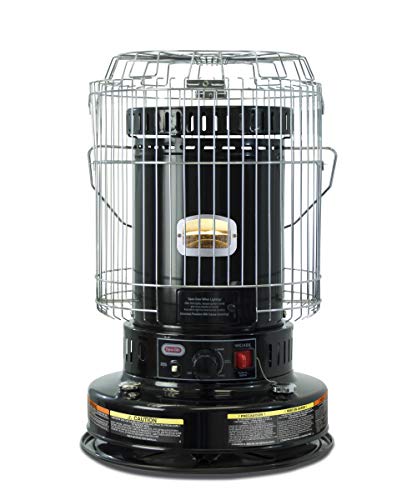
The Dyna-Glo WK24BK is an indoor kerosene convection heater that produces approximately 23,800 BTU/hour and claims coverage up to 1,000 sq ft. It operates without electricity, which is a key benefit during power outages.
Convection heaters distribute heat by circulating warmed air and are generally quieter than forced-air units. This model emphasizes portability for indoor use while maintaining sufficient output for medium-size rooms, basements, or workshops.
Considerations: convection heaters warm air more slowly than forced-air units but provide steady, evenly distributed heat. Appropriate clearance, ventilation, and adherence to indoor kerosene use guidelines are important for safety and odor control.
VEVOR 215,000 BTU Kerosene Forced Air Heater

The VEVOR forced-air unit is designed for very large spaces, delivering 215,000 BTUs and featuring a thermostat knob and room temperature display adjustable between 40°F and 110°F. It includes overheat protection and auto shutoff for low fuel.
This heater supports both kerosene and diesel (use one type at a time) and includes a fuel gauge, dual fuel filters, and a pressure gauge—features that emphasize operational monitoring and extended runtime for demanding environments.
Call 888-896-7031 for Free Local HVAC Quotes – Compare and Save Today!
Considerations: the high BTU rating makes this heater ideal for barns, large workshops, or industrial spaces where fast, intense heating is required. Such units often require careful ventilation and experienced handling due to power and fuel capacity.
Dura Heat DH1051 Indoor Kerosene Heater 10,500 BTU

The Dura Heat DH1051 is a low-output indoor kerosene heater producing 10,500 BTUs, designed for smaller rooms and supplemental heating. It advertises up to 15 hours runtime on about 1.1 gallons of fuel and offers 360-degree heating for localized warmth.
Low BTU devices like this are suitable for bedrooms, small living spaces, or tented garage areas where controlled, lower-intensity heat is preferred. Runtime efficiency makes it a candidate for overnight emergency heat during outages.
Considerations: lower output reduces ventilation concerns compared with large forced-air units, but indoor use still requires attention to CO monitoring and proper clearance. Check manufacturer guidelines for room size compatibility and safe fueling practices.
Sengoku HeatMate HMC-23K 23,500 BTU Portable Heater
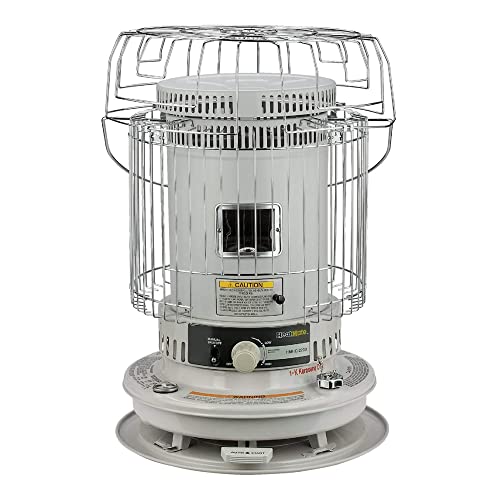
The Sengoku HeatMate HMC-23K is a cordless portable kerosene heater offering about 23,500 BTU and up to 12 hours of heat on a full 1.9-gallon tank. Features include automatic shutoff, a tip-over switch, and protective guard grills for safety.
It’s marketed for both indoor and outdoor use, effective for large rooms, garages, or camping situations. Its push-to-start ignition and included siphon pump simplify fueling and operation during power outages.
Considerations: cordless operation is a major advantage when electricity is unavailable. Observe manufacturer instructions for indoor operation and maintain CO and ventilation safety protocols when using kerosene inside occupied spaces.
Buying Guide: How To Choose A Kerosene Heater
Selecting a kerosene heater requires balancing heating needs, safety, fuel availability, and the intended environment. Below are the key factors to compare across models.
1. BTU Output And Coverage
BTU rating determines how much space a heater can effectively warm. Small rooms may need 5,000–12,000 BTU, medium rooms 12,000–30,000 BTU, and workshops or barns often need 80,000+ BTU. Estimate square footage and insulation level when matching a heater to a space.
2. Heater Type: Convection, Radiant, Or Forced Air
- Convection units circulate warmed air slowly for consistent whole-room heat; ideal for indoor use and quieter operation.
- Radiant heaters warm objects and people directly; useful for spot heating.
- Forced air heaters deliver rapid, high-volume heat and are suited for large or poorly insulated areas. They typically require more ventilation handling.
3. Fuel Compatibility And Availability
Some heaters run on kerosene only, while others accept diesel or multiple fuel types. Multi-fuel units offer flexibility but require clear guidance on use and maintenance. Confirm local fuel availability before choosing a multi-fuel heater.
4. Safety Features
- Tip-over switches and automatic shutoff are essential for indoor safety.
- Overheat protection and built-in diagnostics help prevent damage and alert the user to faults.
- Always plan for carbon monoxide (CO) monitoring when operating any combustion-based heater indoors.
5. Runtime And Fuel Tank Capacity
Longer runtime per fill is advantageous for overnight heating or during prolonged outages. Balance tank size with portability—large tanks mean longer runtime but more weight and space requirements.
6. Portability And Installation
Portable cordless models are useful for temporary or emergency heat. Heavier forced-air units may be mounted or placed in semi-permanent workshop locations. Consider handles, wheels, and clearance requirements.
7. Ventilation, Emissions, And Indoor Use Rules
Combustion heaters produce emissions and require adequate ventilation. Check local regulations and manufacturer instructions for safe indoor operation. Use detectors for CO and ensure air flow to avoid stale, odorous conditions.
8. Maintenance And Filtration
Regular maintenance—cleaning filters, checking fuel lines, and inspecting ignition systems—extends service life. Units with dual filters or fuel gauges simplify upkeep and reduce odor or smoke risks.
9. Cost Of Ownership
Consider ongoing fuel cost and maintenance parts. Multi-fuel models may reduce fuel constraints but can increase maintenance complexity. Evaluate long-term operating expenses rather than only initial acquisition.
10. Use Case Comparisons
- For small bedrooms or emergency overnight heat: consider lower BTU convection or radiant units with long runtime and strong safety features.
- For medium rooms, garages, and camping: 23,000–24,000 BTU portable models (cordless options) balance power and portability.
- For large workshops or barns: forced-air heaters with 80,000+ BTU deliver rapid heating but need ventilation planning and professional installation in some settings.
When choosing, match the heater type and BTU output to your space, prioritize models with robust safety features, and plan for proper ventilation and maintenance. Keeping these considerations in mind will help you select a kerosene heater that aligns with your space, intended use, and safety needs.
Tips for Getting the Best HVAC Prices
- Prioritize Quality Over Cost
The most critical factor in any HVAC project is the quality of the installation. Don’t compromise on contractor expertise just to save money. - Check for Rebates
Always research current rebates and incentives — they can significantly reduce your overall cost. - Compare Multiple Quotes
Request at least three estimates before making your choice. You can click here to get three free quotes from local professionals. These quotes include available rebates and tax credits and automatically exclude unqualified contractors. - Negotiate Smartly
Once you've chosen a contractor, use the proven strategies from our guide — How Homeowners Can Negotiate with HVAC Dealers — to get the best possible final price.