
Quick Overview: This guide compares five reliable wall mounted propane heaters, covering vented, vent-free, blue flame, and infrared options for different room sizes and installation needs. Use the summary table to match heater output and technology to your space.
| Product | Type | BTU | Coverage |
|---|---|---|---|
| Comfort Glow 11,000 BTU Direct Vent | Direct Vent | 11,000 | Up To 375 Sq. Ft. |
| Mr. Heater MHVFBF20LPT 20,000 BTU | Vent Free Blue Flame | 20,000 | Up To 700 Sq. Ft. |
| Dyna-Glo 30,000 BTU Blue Flame | Vent Free Blue Flame | 24,000–30,000 | Up To 1,000 Sq. Ft. |
| Comfort Glow 17,000 BTU Direct Vent | Direct Vent | 17,000 | Up To 570 Sq. Ft. |
| Dyna-Glo IR30PMDG-1 30,000 BTU Infrared | Vent Free Infrared | 6,000–30,000 | Up To 1,000 Sq. Ft. |
Content Navigation
- Comfort Glow 11,000 BTU Direct Vent Wall Heater
- Mr. Heater 20,000 BTU Blue Flame Vent Free Heater
- Dyna-Glo 30,000 BTU Blue Flame Vent Free Wall Heater
- Comfort Glow 17,000 BTU Direct Vent Wall Heater
- Dyna-Glo IR30PMDG-1 30,000 BTU Infrared Vent Free Heater
- Buying Guide: Choosing A Wall Mounted Propane Heater
- 1. Heater Type And How It Affects Performance
- 2. BTU Output And Room Coverage
- 3. Safety Features To Look For
- 4. Installation And Venting Requirements
- 5. Fuel Consumption And Runtime
- 6. Indoor Air Quality And Ventilation
- 7. Use Case And Placement Scenarios
- 8. Maintenance And Longevity
- 9. Regulatory And Code Considerations
- 10. Comparison Perspectives
Comfort Glow 11,000 BTU Direct Vent Wall Heater
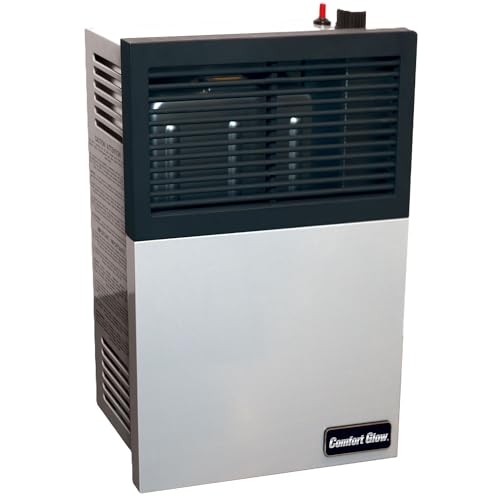
This 11,000 BTU vented propane heater is specified for spaces up to 375 sq. ft. It uses a sealed-burn design that vents combustion gases outdoors, reducing indoor combustion byproducts. The unit includes a matchless piezo ignition and a safety pilot with an integrated pressure regulator that stops gas flow if the pilot goes out.
Dimensions are compact (20 H, 17 W, 7 D), allowing wall mounting in limited spaces. The direct vent configuration requires a vent path to the outdoors, which affects installation complexity and placement options. This model is suited for homeowners prioritizing sealed combustion and indoor air quality.
Mr. Heater 20,000 BTU Blue Flame Vent Free Heater
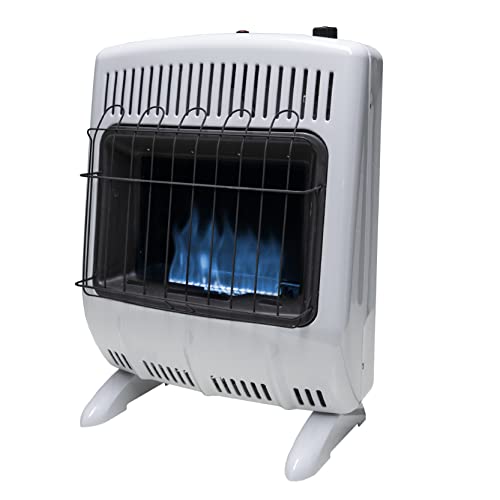
This 20,000 BTU vent-free blue flame heater offers convective heating for up to 700 sq. ft. It features a thermostat for temperature control and a battery-powered electronic ignition for startup. Fuel consumption data is provided (.926 lbs/hr), useful for runtime planning with portable cylinders.
Call 888-896-7031 for Free Local HVAC Quotes – Compare and Save Today!
Safety is emphasized with a factory standard Oxygen Depletion Sensor (ODS) that shuts the unit off if oxygen levels fall below safe thresholds. The vent-free design places combustion products into the living space, so installation location and ventilation considerations should be evaluated against local codes and indoor air quality needs.
Dyna-Glo 30,000 BTU Blue Flame Vent Free Wall Heater

Designed for larger spaces, this Dyna-Glo model delivers 24,000–30,000 BTU/hr with blue flame convection heating, covering up to 1,000 sq. ft. It is specified as liquid propane ready with no fuel conversion permitted, and mounts on walls for space-saving installation.
Blue flame units warm air directly and distribute it by convection, creating relatively even ambient temperatures. As a vent-free appliance, it requires adherence to ventilation guidelines and local codes. Consider room size, ceiling height, and ventilation when choosing a high-output vent-free unit like this.
Comfort Glow 17,000 BTU Direct Vent Wall Heater

The 17,000 BTU direct vent Comfort Glow is rated to heat up to 570 sq. ft. Like the smaller model, it uses a sealed burn system with matchless piezo ignition and a safety pilot featuring a pressure regulator that closes gas flow if the pilot is extinguished.
Call 888-896-7031 for Free Local HVAC Quotes – Compare and Save Today!
With dimensions 20 H, 27.3 W, 6.5 D, this larger wall-mounted unit provides higher output while maintaining the sealed-combustion benefits of direct vent designs. It is an option when indoor air quality and sealed combustion are priorities and when exterior venting is feasible.
Dyna-Glo IR30PMDG-1 30,000 BTU Infrared Vent Free Heater

This Dyna-Glo model uses infrared radiant technology with variable output from 6,000 to 30,000 BTU/hr, designed to warm objects and people directly rather than just heating air. Rated for up to 1,000 sq. ft., radiant heaters can feel warmer at lower air temperatures because they transfer heat directly to surfaces.
Being vent-free, it sends combustion byproducts into the room, so ventilation and code compliance are important. Radiant units can be advantageous in spaces with high ceilings or where targeted warmth is preferred, such as garages, workshops, or large open rooms.
Buying Guide: Choosing A Wall Mounted Propane Heater
Selecting the right wall mounted propane heater involves assessing room size, heater type, ventilation, safety features, and installation needs. The sections below outline core considerations to compare models objectively.
1. Heater Type And How It Affects Performance
- Direct Vent (Vented): Sealed combustion draws air from outside and exhausts outdoors. Offers better indoor air quality and is preferable for occupied living areas without adequate ventilation.
- Vent Free (Unvented): Releases combustion products into the room. Provides high efficiency and simple installation but requires attention to ventilation, occupancy, and local code restrictions.
- Blue Flame (Convection): Heats air to circulate ambient warmth. Good for even whole-room heating.
- Infrared (Radiant): Warms objects and people directly, useful in high-ceiling or drafty spaces where air heating is less efficient.
2. BTU Output And Room Coverage
Match BTU output to room size and insulation:
- Up to 400 sq. ft.: 10,000–12,000 BTU typically sufficient.
- 400–700 sq. ft.: 15,000–20,000 BTU recommended.
- 700–1,000+ sq. ft.: 24,000–30,000 BTU or higher may be needed.
Consider ceiling height, insulation quality, and windows. Higher output models can run at lower duty cycles, but oversized units can cause frequent cycling or uneven comfort if not matched properly.
3. Safety Features To Look For
- Sealed Burn/Direct Vent: Reduces indoor combustion byproducts and moisture.
- ODS (Oxygen Depletion Sensor): Automatically shuts off the heater if oxygen levels drop.
- Pressure Regulators & Safety Pilot: Prevent unintended gas flow if the pilot is extinguished.
- Thermostatic Control: Helps maintain temperature and can reduce fuel consumption.
4. Installation And Venting Requirements
Direct vent units require routing for intake and exhaust; plan wall placement accordingly. Vent-free units simplify installation but must comply with local building codes and may have restrictions in some jurisdictions or in specific room types (bedrooms, bathrooms).
Confirm clearances to combustibles, mounting height, and access for maintenance. Professional installation may be required for gas connections and to meet code.
5. Fuel Consumption And Runtime
Manufacturer fuel usage rates (pounds per hour or gallons) help estimate runtime on a given cylinder size. If using portable tanks, match runtime needs to cylinder capacity and consider professional piping for permanent installations.
6. Indoor Air Quality And Ventilation
Vent-free heaters add combustion byproducts and moisture to indoor air. For occupied living spaces, assess ventilation strategies such as periodic fresh air exchange, use of direct vent units, or supplementary ventilation systems to maintain healthy indoor air.
7. Use Case And Placement Scenarios
- Living rooms and bedrooms: Direct vent or units with robust safety features; verify local code allowances.
- Garages, workshops, and sheds: Infrared radiant or high-output vent-free options often work well.
- Cabins and additions: Choose based on insulation and whether venting to outdoors is feasible.
8. Maintenance And Longevity
Regular inspection of gas lines, pilot assemblies, burners, and vents (for direct vent units) ensures safe operation. Follow manufacturer recommendations for cleaning and periodic servicing. Accessible placement simplifies maintenance tasks.
9. Regulatory And Code Considerations
Local codes and housing rules may restrict vent-free appliance use in certain rooms or jurisdictions. Verify compliance before purchase and installation, and when in doubt, consult a licensed gas installer or local building department.
10. Comparison Perspectives
- Air Quality vs. Efficiency: Direct vent units prioritize indoor air quality while vent-free units often have higher room heating efficiency.
- Even Heating vs. Targeted Warmth: Blue flame convection provides even ambient warmth; infrared is better for targeted, immediate radiative heat.
- Installation Complexity vs. Placement Flexibility: Venting requirements increase installation complexity but expand safe placement options for occupied spaces.
Use the factors above to weigh trade-offs between safety, efficiency, comfort type, and installation constraints. Cross-reference the heater specifications with your room size, ventilation capabilities, and applicable codes to select the appropriate wall mounted propane heater.
Tips for Getting the Best HVAC Prices
- Prioritize Quality Over Cost
The most critical factor in any HVAC project is the quality of the installation. Don’t compromise on contractor expertise just to save money. - Check for Rebates
Always research current rebates and incentives — they can significantly reduce your overall cost. - Compare Multiple Quotes
Request at least three estimates before making your choice. You can click here to get three free quotes from local professionals. These quotes include available rebates and tax credits and automatically exclude unqualified contractors. - Negotiate Smartly
Once you've chosen a contractor, use the proven strategies from our guide — How Homeowners Can Negotiate with HVAC Dealers — to get the best possible final price.