
Keeping a forklift cab warm improves operator comfort and productivity. This guide compares reliable auxiliary heaters and portable options that fit forklifts, golf carts, and small enclosed cabs. Below is a quick comparison of featured models to help you choose the right heating solution.
| Product | Type | Power Source | Key Feature |
|---|---|---|---|
| SANTIANO Forklift Cover | Cab Cover / Insulation | Passive | 420D Waterproof Silver-Coated Fabric |
| 13,000 BTU 12V Low Profile Auxiliary Cab Heater | Electric/Diesel Auxiliary | 12 Volt | Low-Profile Universal Fit, Installation Kit |
| 17,000 BTU 12V Low Profile Auxiliary Cab Heater | Electric/Diesel Auxiliary | 12 Volt | Higher Output For Larger Cabs |
| 13,000 BTU 24V Low Profile Auxiliary Cab Heater | Electric/Diesel Auxiliary | 24 Volt | For Vehicles With 24V Systems |
| Mr. Heater MH4GC 4,000 BTU Golf Cart Heater | Portable Propane Radiant | Propane | ODS & Tip-Over Safety Switch |
Content Navigation
- SANTIANO Forklift Cover, Fit 3000-5000lbs
- 13,000 BTU 12 Volt Low Profile Universal Auxiliary Cab Heater
- 17,000 BTU 12 Volt Low Profile Universal Auxiliary Cab Heater
- 13,000 BTU 24 Volt Low Profile Universal Auxiliary Cab Heater
- Mr. Heater F242010 MH4GC 4,000 BTU Golf Cart Heater
- Xtreme Heaters Boat, Cabin, & RV Heater
- Buying Guide: Choosing The Right Forklift Cab Heater
SANTIANO Forklift Cover, Fit 3000-5000lbs

The SANTIANO cover is a passive solution that reduces heat loss and protects the cab from elements. Made from 420D silver-plated waterproof Oxford fabric, it claims a static water pressure resistance up to 5000 MMH2O and includes a silver interior coating that helps limit heat dissipation. Two ventilation openings support airflow while preventing moisture accumulation.
Design details include adjustable windproof buckles, a hem rope for secure fit, and a waterproof zipper. The cover’s UV protection and dustproof properties help preserve cab components during seasonal storage or when forklifts are parked outdoors. This option is best when combined with an active heat source or for improving the efficiency of a low-output heater.
13,000 BTU 12 Volt Low Profile Universal Auxiliary Cab Heater
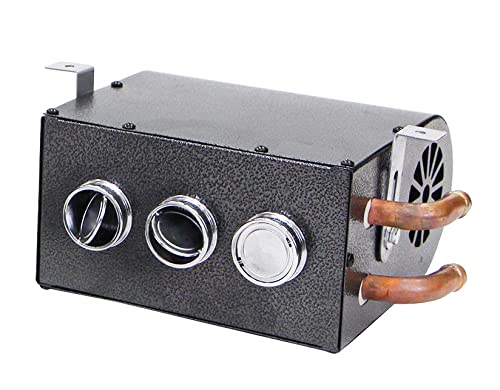
This low-profile auxiliary heater is designed for vehicle cab applications and fits tractors, trucks, vans, UTVs, and similar small enclosed cabs. It mounts discreetly and connects to a 12V electrical system. The kit typically includes mounting hardware and ducting for directed airflow.
Call 888-896-7031 for Free Local HVAC Quotes – Compare and Save Today!
With 13,000 BTU output, it can quickly raise cab temperature in compact spaces. The universal design supports installations in varied equipment, making it a common retrofit for forklifts with suitable 12V electrical capacity. Consider electrical load, alternator output, and fuse protection when planning installation.
17,000 BTU 12 Volt Low Profile Universal Auxiliary Cab Heater

This higher-output 12V model follows a similar low-profile form factor as the 13,000 BTU unit but delivers 17,000 BTU for larger or less-insulated cabs. It suits enclosed forklift cabs or platforms where faster warm-up and higher maintained temperatures are required.
Installation requires a compatible 12V power source and sufficient charging system capacity. The higher BTU rating improves heat delivery but increases electrical demand. Evaluate the forklift’s battery and alternator to ensure sustained operation without excessive discharge during extended heater use.
13,000 BTU 24 Volt Low Profile Universal Auxiliary Cab Heater
Functionally similar to the 12V 13,000 BTU model, this unit is engineered for vehicles with 24V electrical systems. It targets trucks, buses, and heavy equipment that operate on 24V, offering the same universal mounting and installation kit features modified for higher system voltage.
Call 888-896-7031 for Free Local HVAC Quotes – Compare and Save Today!
Choosing a 24V heater avoids electrical conversion and preserves onboard power architecture for fleets that already use 24V. Confirm connector compatibility, cable size, and fuse protection during installation. Matching heater voltage to vehicle system reduces conversion losses and simplifies wiring.
Mr. Heater F242010 MH4GC 4,000 BTU Golf Cart Heater

The Mr. Heater MH4GC is a portable propane radiant heater intended for golf carts and similarly small mobile cabs. It produces 4,000 BTU and is designed with wind resistance in mind, allowing continued operation in open or semi-open cabs. Built-in safety includes an oxygen depletion sensor (ODS) and a tip-over switch to stop burner operation if unsafe conditions occur.
This unit does not require vehicle electrical power and is an option when battery capacity is limited or where quick temporary heat is needed. Propane use requires secure mounting, proper ventilation, and adherence to safety guidelines for enclosed spaces. Consider fuel storage and exhaust management when using propane inside enclosed cabs.
Xtreme Heaters Boat, Cabin, & RV Heater

The Xtreme Heaters unit is a compact electric space heater designed for small enclosed spaces such as boats, cabins, and RVs. It features quiet operation and a low profile that allows placement near walls and on carpeted surfaces. A tip-over switch provides automatic shutoff if the heater is displaced.
This heater offers a simple plug-in approach to warming compact cabs when an electrical outlet or inverter is available. It is best suited to insulated cabs or as a supplemental heat source rather than a primary system for very cold conditions. Consider airflow placement to avoid localized hot spots and to promote even distribution.
Buying Guide: Choosing The Right Forklift Cab Heater
Selecting a heater for a forklift cab requires matching heat output, power source, safety, and installation practicality to your operating environment. Below are key factors to weigh before purchase.
1. Heat Output And Cab Size
- BTU Rating: Higher BTU yields faster warm-up and better maintenance of temperature in cold conditions. Small insulated cabs may only need 4,000–13,000 BTU, while larger or less-insulated cabs might require 17,000 BTU or more.
- Distribution: Consider ducting or fan-assisted units for even heat spread to prevent cold spots in the cab.
2. Power Source Compatibility
- 12V vs 24V: Match the heater voltage to the forklift’s electrical system to avoid conversion inefficiencies.
- Propane Options: Portable propane heaters avoid electrical demands but require fuel management and strict ventilation/safety practices.
- Electric Plug-In: Best for stored equipment with shore power or in workshops; not ideal for mobile field operations without an inverter.
3. Electrical Load And Charging System
- Evaluate alternator and battery capacity, especially for higher BTU 12V units. Continuous heater draw can deplete batteries or overload alternators if not accounted for.
- Use proper gauge wiring, fuses, and relays as recommended by manufacturer installation kits.
4. Safety Features
- ODS, Tip-Over, And Overheat Protection: These are critical for enclosed mobile cab operation. Propane units should include oxygen monitoring and automatic shutoff features.
- Ventilation: Ensure adequate ventilation for combustion-type heaters and exhaust management if used inside enclosed spaces.
5. Mounting, Fit, And Durability
- Low-Profile Mounts: Help preserve operator visibility and reduce exposure to impacts in tight workspaces.
- Weather Resistance: If external components are exposed, choose corrosion-resistant housings and protective covers.
- Cab Covers And Insulation: Adding a cab cover or insulating lining can significantly improve heater efficiency and reduce runtime.
6. Installation And Serviceability
- Prefer kits with included mounting hardware, ducting, and clear wiring diagrams to simplify installation.
- Check availability of replacement parts and local service support for maintenance.
7. Fuel Availability And Operating Costs
- Consider accessibility of propane or diesel fuel and the logistical impact of refueling portable units.
- Electrical systems rely on vehicle charging; extended use may increase battery maintenance requirements.
8. Intended Use Case
- Continuous Use: For long shifts in cold climates, integrated auxiliary heaters sized to the cab and matched to the electrical system are often the most practical.
- Intermittent Or Temporary Use: Portable radiant propane heaters or small electric space heaters may be adequate for short-term tasks or stored vehicles.
9. Regulatory And Safety Compliance
- Confirm that any combustion heater meets applicable safety standards and that installation follows workplace safety rules for fuel storage and exhaust.
- Train operators on safe use, ventilation, and emergency shutoff procedures.
Comparing multiple perspectives—heat source, cab insulation, electrical compatibility, and safety—will narrow options to the most effective solution for your forklift fleet. Select a system that balances reliable warmth with safe, maintainable operation in your specific working conditions.
Tips for Getting the Best HVAC Prices
- Prioritize Quality Over Cost
The most critical factor in any HVAC project is the quality of the installation. Don’t compromise on contractor expertise just to save money. - Check for Rebates
Always research current rebates and incentives — they can significantly reduce your overall cost. - Compare Multiple Quotes
Request at least three estimates before making your choice. You can click here to get three free quotes from local professionals. These quotes include available rebates and tax credits and automatically exclude unqualified contractors. - Negotiate Smartly
Once you've chosen a contractor, use the proven strategies from our guide — How Homeowners Can Negotiate with HVAC Dealers — to get the best possible final price.