
Winter storage for boats requires the right combination of heat and protection to prevent freezing, condensation, and component damage. Below is a comparison table of five selected products that address engine compartment heating, cabin warmth, and protective shrink wrap for long-term storage.
| Product | Type | Key Feature |
|---|---|---|
| Xtreme Heaters 400W Bilge Heater | Bilge / Engine Compartment Heater | Self-regulating PTC element; waterproof fan |
| THERELMAX 650W Bilge Heater | Bilge / Engine Compartment Heater | Adjustable thermostat; 3s fast heating |
| Xtreme Heaters Boat, Cabin, & RV Heater | Portable Cabin Heater | Tip-over switch; compact, low-profile design |
| Hyperlite HL Boat Blanket w Heater Hose Hookup | Insulating Blanket | Waterproof shell with fleece liner and hose hookup |
| Farm Plastic Supply Polyethylene Shrink Wrap | Shrink Wrap Film | LLDPE, UV-resistant film for long-term storage |
Content Navigation
- Xtreme Heaters 400W Marine Bilge Heater
- THERELMAX 650W Boat Engine Compartment Heater
- Xtreme Heaters Boat, Cabin, And RV Portable Heater
- Hyperlite HL Boat Blanket With Heater Hose Hookup
- Farm Plastic Supply Polyethylene Shrink Wrap (7 mil)
- Buying Guide: Choosing The Right Boat Heater And Storage Protection
Xtreme Heaters 400W Marine Bilge Heater

This Xtreme Heaters unit is described as a marine certified bilge heater intended for engine compartments, under-RV bays, campers, greenhouses and more. The unit has a self-regulating PTC element that activates at around 40°F and cycles off at roughly 55°F to maintain consistent compartment temperatures.
- Compact Design: The manufacturer notes the device is 10% smaller while offering an additional 150 watts compared to earlier models, improving fit in tight bilge spaces.
- Durability Features: An anodized case and sealed electronics module are listed, along with a 58 CFM waterproof fan allowing multiple mounting orientations.
- Use Cases: Engine compartment freeze protection, bilge drying, and prevention of pump freeze during winter storage.
This heater is positioned for owners prioritizing consistent automatic temperature control and a sealed design suitable for moist bilge environments.
THERELMAX 650W Boat Engine Compartment Heater
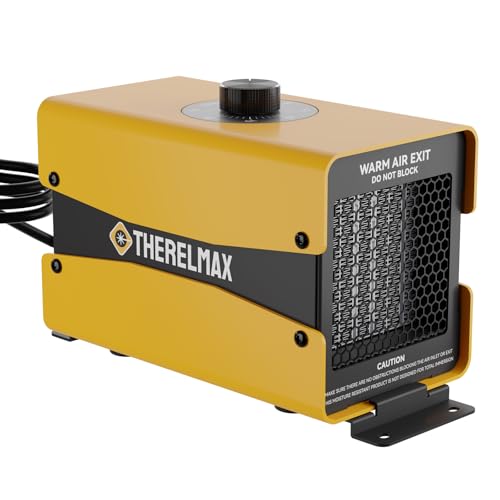
The THERELMAX HMA650 is a higher-capacity PTC ceramic heater with a built-in adjustable thermostat. It’s marketed to keep bilges and engine compartments above freezing and to reduce winterizing costs.
Call 888-896-7031 for Free Local HVAC Quotes – Compare and Save Today!
- Adjustable Thermostat: Temperature range listed from 41°F to 86°F, allowing users to set a threshold appropriate for different climates and component protection needs.
- Rapid Warm-Up: The product description highlights a “3s fast heating” capability and a 650W output for faster compartment temperature recovery.
- Multi-Use Applications: Suitable for bilges, RV bays, wellhouses, greenhouses, and protecting lithium batteries or pumps from freezing.
The THERELMAX is a choice for owners who want manual control over the setpoint and stronger heat output for larger or poorly insulated compartments.
Xtreme Heaters Boat, Cabin, And RV Portable Heater

This portable space heater from Xtreme Heaters is designed for small enclosed spaces such as cabins, cuddy cabins, and RV interiors. It’s positioned as a comfort heater rather than a bilge device.
- Space-Oriented Design: Air is drawn from the top, enabling placement against walls or on carpeted surfaces while maintaining airflow.
- Safety Features: Includes a tip-over switch that automatically cuts power if the unit falls, and a stable low-profile base.
- Quiet Operation: The design emphasizes reduced noise for use in sleeping areas or small living spaces.
This portable heater serves well for interior cabin warmth during occasional cold snaps in storage or for prepping a cabin before launch, but it’s not marketed as a wet-environment bilge solution.
Hyperlite HL Boat Blanket With Heater Hose Hookup
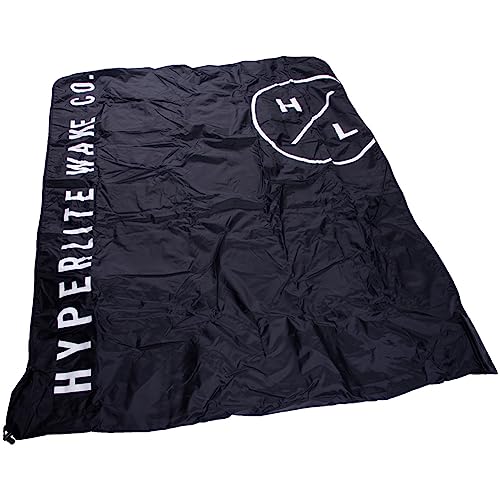
The Hyperlite HL boat blanket is an insulating cover with a waterproof shell and cozy fleece liner. The listed features include a heater hose hookup for directing warm engine coolant or external warm air beneath the blanket.
Call 888-896-7031 for Free Local HVAC Quotes – Compare and Save Today!
- Insulation & Weatherproofing: Waterproof and windproof exterior reduces heat loss and limits moisture intrusion on the covered area.
- Heater Hose Hookup: The blanket is designed to integrate with a heater hose or routed warm-air source to distribute heat across the engine or cabin area.
- Coverage Size: Listed at about 5 x 7 feet, intended for targeted coverage of smaller engines or compartments.
As a passive heating aid, this blanket is useful where conducted heat or warm fluid routing is preferred over electrical bilge heaters, and where additional insulation helps maintain temperatures during storage.
Farm Plastic Supply Polyethylene Shrink Wrap (7 mil)

This 7-mil LLDPE shrink wrap film is intended for complete exterior encapsulation of boats for winter storage. The film is UV-resistant and rated for extended outdoor protection.
- Material Strength: Linear low density polyethylene construction offers puncture resistance and flexibility for wrapping varied hull shapes.
- UV Protection: Anti-aging additives provide up to one year of UV resistance to reduce film degradation while stored outdoors.
- Moisture Barrier: A properly shrunk wrap creates a non-permeable barrier that reduces direct precipitation and wind-driven moisture contact.
Shrink wrap addresses the external protection and condensation management side of winter storage; pairing film with internal heating can be an effective combined strategy.
Buying Guide: Choosing The Right Boat Heater And Storage Protection
This buying guide presents key factors to compare when selecting heating and protective options for winter boat storage. Consider device type, installation, power, safety, and moisture control to match your boat and storage environment.
1. Heater Type And Placement
- Bilge / Engine Compartment Heaters: Designed for wet, enclosed spaces. Use PTC or ceramic elements with sealed electronics and moisture-resistant fans. Best for preventing pump, hose, and engine freeze.
- Cabin/Portable Heaters: Intended for living spaces and cabins. Provide occupant comfort and reduce interior humidity. Not recommended for direct use in bilges or wet spaces unless specified.
- Passive Insulation & Blankets: Work by reducing heat loss. Combine with a warm-air source or heater hose hookup for targeted protection without continuous electrical heating.
- Shrink Wrap: Provides an external envelope to block wind, rain, and snow while reducing condensation when venting is handled correctly.
2. Power Output And Thermostat Control
- BTU/Watt Needs: Larger or poorly insulated compartments require higher wattage. 400W units can be adequate for many bilges; 650W may be needed for rapid recovery or larger spaces.
- Thermostat vs Fixed Cycling: Built-in adjustable thermostats allow precise setpoints and can conserve energy. Self-regulating PTC elements provide automatic on/off cycling at set temperature ranges for simpler operation.
- Power Availability: Confirm shore power or battery-inverter capacity during storage. Higher wattage heaters require compatible circuits and GFCI protection.
3. Safety And Durability
- Moisture Resistance: For bilge use, look for sealed electronics, waterproof fans, and anodized or corrosion-resistant casings.
- Overheat And Tip-Over Protection: Cabin heaters should include tip-over sensors and overheat shutdowns; bilge units should be rated for continuous duty in damp environments.
- Mounting Flexibility: Some bilge heaters allow various mount orientations. Verify mounting hardware and clearances for airflow.
4. Condensation Management And Ventilation
- Internal Humidity: Heating a closed boat without ventilation can trap moisture and cause mold. Use dehumidifiers, venting, or slightly open vents to allow moisture to escape.
- Shrink Wrap With Venting: When using shrink wrap, plan passive vents or desiccant packets inside to reduce condensation risk. Position heaters and vents to promote gentle airflow.
5. Installation Complexity And Maintenance
- Electrical Wiring: Professional installation may be recommended for engine compartment heaters to ensure proper grounding, circuit protection, and routing away from fuel lines and sensitive components.
- Routine Checks: Inspect heaters and wiring before the cold season and periodically during storage. Check shrink wrap tension, vent openings, and blanket fasteners.
6. Matching Solution To Storage Conditions
- Indoor Dry Storage: A low-wattage bilge heater or a cabin portable heater may suffice, primarily for dew and freeze prevention.
- Outdoor Exposed Storage: Combine a bilge heater with shrink wrap or a blanket to reduce wind chill and moisture ingress. UV-resistant film and vents are important for long-term outdoor setups.
- Harsh Cold Regions: Favor higher-wattage heaters with adjustable thermostats to maintain a safe setpoint, and ensure power reliability or secondary backup plans.
7. Multiple Comparison Perspectives
- Effectiveness: Higher-wattage, thermostat-controlled units (e.g., 650W with adjustable control) provide faster recovery and flexible thresholds versus lower fixed-cycle units.
- Durability: Devices with sealed electronics and waterproof fans are better suited for bilge environments than generic portable heaters.
- Cost-To-Benefit: Shrink wrap and insulation reduce heat load and may allow use of a smaller heater; combined approaches can lower overall energy consumption.
- Safety: For interior warmth, prioritize tip-over and overheat protection. For bilges, prioritize corrosion resistance and proper mounting away from fuel systems.
When planning winter storage protection, assess your boat’s size, storage location, and available power. Combining a purpose-built marine bilge heater or thermostat-controlled unit with insulation or shrink wrap often provides the most reliable protection against freeze damage and moisture-related issues.
Tips for Getting the Best HVAC Prices
- Prioritize Quality Over Cost
The most critical factor in any HVAC project is the quality of the installation. Don’t compromise on contractor expertise just to save money. - Check for Rebates
Always research current rebates and incentives — they can significantly reduce your overall cost. - Compare Multiple Quotes
Request at least three estimates before making your choice. You can click here to get three free quotes from local professionals. These quotes include available rebates and tax credits and automatically exclude unqualified contractors. - Negotiate Smartly
Once you've chosen a contractor, use the proven strategies from our guide — How Homeowners Can Negotiate with HVAC Dealers — to get the best possible final price.