
Find reliable infrared heating solutions for large rooms, garages, patios, and open commercial spaces. The picks below focus on output, coverage, installation options, and safety features to help you compare powerful infrared heaters designed for bigger areas.
| Product | Type | Power / Output | Best For |
|---|---|---|---|
| Dr Infrared Heater Portable Space Heater (Original) | Portable Dual-System | 1500W / ~5200 BTU | Large rooms, living areas |
| Dr. Infrared Heater 10,260 BTU / 3000W | Ceiling / Wall Mount | 3000W / 10,260 BTU | Large patios, garages, commercial |
| Dr Infrared Heater DR-238 Carbon Outdoor Heater | Outdoor Carbon Infrared | Up To 1500W (3 settings) | Patios, decks, restaurants |
| Dr Infrared Heater DR-998 With Humidifier & Oscillation | Portable Hybrid | 1500W / Coverage ~400 sq.ft. | Large rooms needing humidity control |
| Heat Storm HS-1500-PHX-WIFI (Wall Mounted) | Wi‑Fi Wall-Mounted Infrared | 1500W | Space-saving room heating, remote control |
Content Navigation
- Dr Infrared Heater Portable Space Heater, Original, 1500-Watt, Cherry (Pack of 1)
- Dr. Infrared Heater 10,260 BTU Infrared Heater, Indoor And Outdoor Heater
- Dr Infrared Heater DR-238 Carbon Infrared Outdoor Heater
- Dr Infrared Heater DR-998, 1500W, Space Heater With Humidifier, Oscillation Fan & Remote Control
- Heat Storm HS-1500-PHX-WIFI Infrared Heater, Wifi Wall Mounted
- Buying Guide: Choosing A Large Infrared Heater
Dr Infrared Heater Portable Space Heater, Original, 1500-Watt, Cherry (Pack of 1)
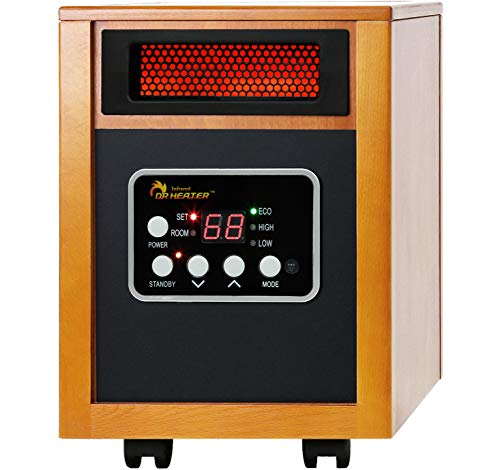
This portable heater uses a dual heating system combining an infrared quartz tube and PTC to increase heat output. The manufacturer rates it at approximately 5200 BTU and highlights an auto energy saving mode with high/low settings. Safety features include tip-over protection and overheat protection. An included IR remote, a 12-hour automatic shut-off timer, and a high-pressure low-noise blower are also noted. The noise level is specified around 39 dB, supporting quiet operation in living areas.
Dr. Infrared Heater 10,260 BTU Infrared Heater, Indoor And Outdoor Heater
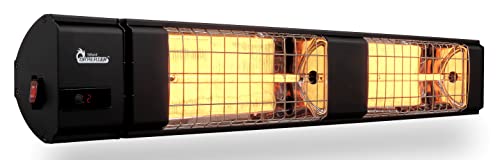
This unit provides instant heat via a carbon infrared element rated at 10,260 BTU / 3000 watts, operating on 220–240V. It is built for both indoor and outdoor use with an IP55 weatherproof rating. Installation options include ceiling and wall mounting with supplied hardware. The product includes a remote and offers multiple power levels and a standby mode. The description emphasizes odorless, clean infrared warmth, making it suitable for patios, garages, and some commercial spaces where higher wattage heating is needed.
Dr Infrared Heater DR-238 Carbon Infrared Outdoor Heater
Call 888-896-7031 for Free Local HVAC Quotes – Compare and Save Today!
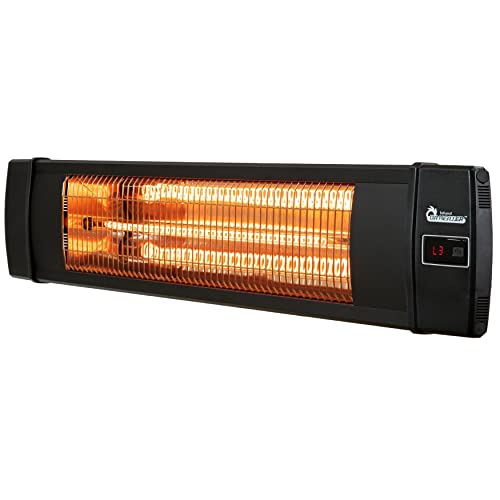
The DR-238 is specified for both indoor and outdoor settings with an IP55 rating. Its carbon infrared heating element delivers clean, immediate warmth and offers three power settings: 900W, 1200W, and 1500W. The unit is designed to be plug-and-go on standard 120V circuits and includes a remote for operation. The product listing highlights suitability for patios, decks, restaurants, and garages, emphasizing weather resistance and multiple output levels for tailored comfort.
Dr Infrared Heater DR-998, 1500W, Space Heater With Humidifier, Oscillation Fan & Remote Control

This hybrid space heater uses a dual heating system (infrared quartz tube + PTC) and lists coverage around 400 sq. ft. Key features include an integrated humidifier that produces cool mist, an oscillation function to distribute warmth, and tip-over/overheat protection. The unit can operate as a fan with or without the humidifier. Remote control and multiple modes are noted, making it a multifunction option for large rooms that also require humidity control during dry months.
Heat Storm HS-1500-PHX-WIFI Infrared Heater, Wifi Wall Mounted

This wall-mounted infrared heater emphasizes space-saving installation and Wi‑Fi control for thermostat management from a smartphone. It includes a touch screen with digital thermostat and a remote. Safety features listed include a tip-over shut-off (note: primarily relevant for portable units) and standard protection measures. The design aims to preserve floor space, making it appropriate for bedrooms, kitchens, and offices where wall mounting improves usable area.
Buying Guide: Choosing A Large Infrared Heater
Selecting the right infrared heater for a large space requires weighing power, installation, coverage, and safety. Below are core considerations and comparison perspectives to guide purchase decisions.
Call 888-896-7031 for Free Local HVAC Quotes – Compare and Save Today!
Heating Output And Coverage
- Wattage And BTU: Higher wattage and BTU ratings generally translate to greater heating capacity. For very large indoor or covered outdoor areas, look for units rated 2000–3000W or higher when available.
- Coverage Square Footage: Manufacturers sometimes list approximate square-foot coverage. Match coverage to room size while accounting for ceiling height and insulation quality.
Heating Technology And Efficiency
- Infrared Element Type: Carbon, quartz, and ceramic infrared elements differ in response time and heat penetration. Carbon and quartz provide fast radiant heat; some carbon models are optimized for outdoor use.
- Dual-System Heaters: Models combining PTC and infrared elements often claim increased heat output and quicker room warm-up. Consider these for larger or poorly insulated spaces.
Installation And Placement
- Portable vs. Mounted: Portable heaters offer flexibility and usually plug into standard outlets. Wall- or ceiling-mounted units free floor space and can serve larger areas more evenly when positioned strategically.
- Outdoor-Rated Options: Look for IP ratings (e.g., IP55) for outdoor or semi-outdoor use. Weatherproofing is essential for patio or restaurant installations.
Controls, Connectivity, And Convenience
- Remote And Timers: Remote controls, programmable timers, and auto-shutoff are useful for convenience and energy savings.
- Smart Features: Wi‑Fi enabled heaters allow temperature scheduling and remote control via phone apps or home automation systems.
Safety Features
- Tip-Over And Overheat Protection: Critical for portable heaters used in living spaces, especially around children and pets.
- Enclosed Elements: Models with enclosed heating elements reduce contact risk and may be safer in high-traffic areas.
Noise, Airflow, And Additional Functions
- Blower Noise: If the heater uses an internal blower, check dB ratings for quiet operation in bedrooms or offices.
- Humidifier Or Fan Functions: Hybrid units with humidifiers or oscillating fans can add comfort in dry indoor environments and improve heat distribution.
Durability And Environment
- Build For Use Case: Outdoor-rated materials and finishes are important for patios and commercial environments. For indoor use, odorless and clean infrared elements are preferable.
- Maintenance: Consider ease of cleaning, filter access (if applicable), and replacement parts availability.
Comparison Perspectives
- High Output For Open Spaces: Choose 3000W or higher ceiling/wall-mount carbon infrared units for large covered patios or garages where ambient temperatures and wind affect performance.
- Flexible Coverage: Portable dual-system heaters work well for multi-room use and can be moved to the area needing heat most.
- Space Constraints: Wall-mounted Wi‑Fi units preserve floor space and provide remote scheduling—ideal for rooms with limited footprint.
- Outdoor Dining Or Commercial Use: Pick IP-rated, weatherproof carbon infrared units with multiple power settings and remote control to adapt to changing conditions.
When comparing models, cross-check advertised output, intended use (indoor vs. outdoor), mounting options, and safety features against your space’s size, insulation level, and usage patterns to select the most suitable large infrared heater.
Tips for Getting the Best HVAC Prices
- Prioritize Quality Over Cost
The most critical factor in any HVAC project is the quality of the installation. Don’t compromise on contractor expertise just to save money. - Check for Rebates
Always research current rebates and incentives — they can significantly reduce your overall cost. - Compare Multiple Quotes
Request at least three estimates before making your choice. You can click here to get three free quotes from local professionals. These quotes include available rebates and tax credits and automatically exclude unqualified contractors. - Negotiate Smartly
Once you've chosen a contractor, use the proven strategies from our guide — How Homeowners Can Negotiate with HVAC Dealers — to get the best possible final price.