
Choosing the right gas-style or fuel-powered space heater requires attention to fuel type, venting, safety features, and heating capacity. This guide compares portable kerosene and gas heaters plus a few electric alternatives for context to help American readers decide. Below is a quick comparison of the selected models.
| Product | Fuel Type | BTU / Power | Recommended Area |
|---|---|---|---|
| Sengoku Indoor & Outdoor Kerosene Heater | Kerosene (portable) | 23,500 BTU | Up To 900 Sq. Ft. |
| ProCom BF10M-B Ventless Dual Fuel Blue Flame | Natural Gas Or Liquid Propane | 10,000 BTU | Up To 300 Sq. Ft. |
| Mr. Heater MHVFBF30NGT 30,000 BTU | Natural Gas (vent-free) | 30,000 BTU | Up To 1,000 Sq. Ft. |
| Mr. Heater F260550 Big Maxx MHU50NG | Natural Gas (unit heater) | 50,000 BTU | Up To 1,250 Sq. Ft. |
| Dreo Electric Portable Space Heater (context) | Electric (PTC Ceramic) | 1500W | Small To Medium Rooms |
Content Navigation
Sengoku Indoor & Outdoor Kerosene Heater

The Sengoku model is a portable kerosene space heater rated at 23,500 BTU, designed for both indoor and outdoor use. It includes a 1.9-gallon tank providing extended run times up to roughly 12 hours per fill, and comes with a siphon pump and two D batteries.
Key features listed include a push-to-start ignition with automatic safety fuel shut-off and a cordless design that makes it useful during outages. The manufacturer cites heating coverage up to 900 square feet, making it suitable for garages, basements, and tents when permitted.
Safety and ventilation are critical with kerosene units. This heater’s automatic shut-off adds a safety layer, but users should follow local codes, maintain clearance from combustibles, and ensure adequate ventilation when used indoors. The cordless ignition reduces reliance on external power for emergency situations.
ProCom BF10M-B Ventless Dual Fuel Blue Flame

Call 888-896-7031 for Free Local HVAC Quotes – Compare and Save Today!
The ProCom BF10M-B is a compact ventless blue flame heater that operates on either natural gas or liquid propane. It produces up to 10,000 BTU and is sized for spaces up to 300 sq. ft. The unit offers manual Low/Med/High controls and a slim profile that supports wall mounting or floor placement.
Features emphasize dual-fuel flexibility and a straightforward manual control layout. Ventless blue flame heaters rely on indoor combustion and convection to heat air; they are efficient for targeted zones but require proper oxygen and carbon monoxide awareness.
Installation options include the included wall mount and base feet, but local codes or building regulations may restrict ventless gas appliances in certain rooms or jurisdictions. Regular maintenance and adherence to venting and clearance guidelines are important for safe operation.
Mr. Heater MHVFBF30NGT 30,000 BTU Vent Free
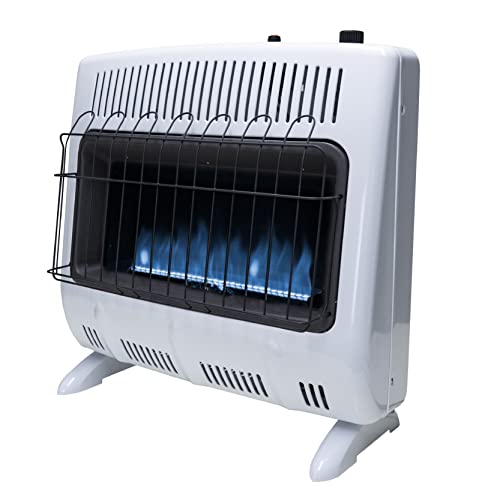
This Mr. Heater model is a vent-free blue flame natural gas wall heater delivering up to 30,000 BTU, sized to warm areas up to about 1,000 sq. ft. It includes a thermostat for precise temperature control and a free battery for electric ignition.
Highlighted features include fuel-efficient blue flame combustion and a thermostat for controlled comfort. The unit is rated to work effectively at altitudes up to 4,500 feet, and the manufacturer specifies a consistent convection-style heat output with claimed low fuel consumption.
Call 888-896-7031 for Free Local HVAC Quotes – Compare and Save Today!
Because it’s vent-free, consider indoor air quality implications and follow manufacturer guidelines for room size, ceilings, and ventilation. Wall mounting provides fixed heating for additions, sunrooms, or colder rooms where central heat is limited.
Mr. Heater F260550 Big Maxx MHU50NG Natural Gas Unit Heater
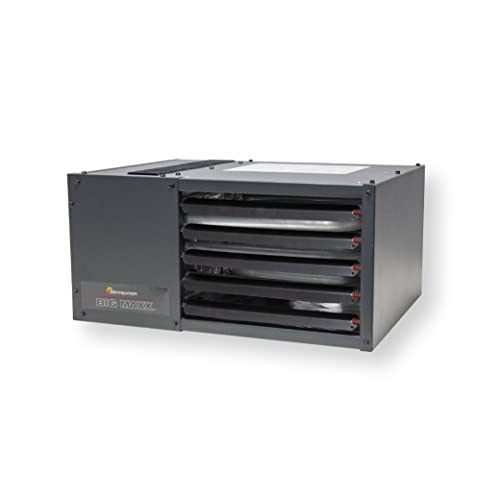
The Mr. Heater Big Maxx MHU50NG is a high-capacity natural gas unit heater rated at 50,000 BTU, with a coverage claim up to 1,250 sq. ft. It features powered exhaust options allowing vertical or horizontal venting and exterior access to thermostat and gas connections.
This model is designed for larger garages, workshops, and commercial-like spaces where direct venting and higher output are needed. The powered exhaust provides installation flexibility to route combustion products outdoors, which is advantageous compared to vent-free units.
Key model features include simple access to controls and gas hookups and the option for external venting. Because of its higher output and venting capability, this unit is suited for heavier-duty heating needs where building codes or air quality concerns favor vented solutions.
Dreo Space Heater Portable Electric (Context)

The Dreo electric space heater is a 1500W PTC ceramic portable heater included as an electric comparison to fuel-powered options. It emphasizes fast heat delivery, a digital thermostat, remote control, a 12-hour timer, and multiple safety protections like tip-over and overheat sensors.
Electric heaters differ from fuel-based options by eliminating combustion and the need for fuel storage. Dreo’s model targets personal to medium room heating with precise thermostat control down to 1°F increments for energy-conscious users.
Consider electric units when indoor combustion is restricted or when portability without fuel handling is preferred. Electric heaters are typically suitable for supplemental heating rather than whole-garage or large-space solutions offered by high-BTU gas or kerosene systems.
Buying Guide: How To Choose A Gas Or Fuel-Powered Space Heater
This buying guide covers practical criteria to evaluate when comparing kerosene, propane, natural gas, and electric space heaters for indoor and semi-outdoor spaces.
Tips for Getting the Best HVAC Prices
- Prioritize Quality Over Cost
The most critical factor in any HVAC project is the quality of the installation. Don’t compromise on contractor expertise just to save money. - Check for Rebates
Always research current rebates and incentives — they can significantly reduce your overall cost. - Compare Multiple Quotes
Request at least three estimates before making your choice. You can click here to get three free quotes from local professionals. These quotes include available rebates and tax credits and automatically exclude unqualified contractors. - Negotiate Smartly
Once you've chosen a contractor, use the proven strategies from our guide — How Homeowners Can Negotiate with HVAC Dealers — to get the best possible final price.
Fuel Type And Availability
- Kerosene/Portable Liquid Fuels: Good for cordless operation and outages. Requires fuel storage, proper handling, and ventilation if used indoors.
- Liquid Propane (LP): Portable via cylinders; good for garages and outdoor areas. Check indoor usage guidelines and local codes.
- Natural Gas: Best for connected homes with lines. Offers steady supply and can support higher BTU outputs for larger spaces.
- Electric: No combustion, easy to install, best for smaller zones or where fuel handling is undesirable.
Venting: Vent-Free Vs Vented
- Vent-Free (Blue Flame): Efficient and simple to install; combustion occurs in the room. Requires attention to indoor air quality and sizing limits.
- Vented/Exhaust: Removes combustion byproducts outside, preferred for workshops, commercial spaces, or where indoor combustion is restricted.
Heating Capacity And Coverage
- Match BTU output to room size. Higher BTUs suit garages and large spaces; lower BTUs or watt-limited electric units fit bedrooms and offices.
- Consider insulation, ceiling height, and open floor plans when estimating coverage.
Safety Features
- Look for automatic shut-off, tip-over protection, and overheat sensors (common on electric units).
- For fuel heaters, oxygen depletion sensors or fuel shut-off mechanisms reduce indoor-combustion risks.
- Follow clearance requirements and avoid placing heaters near combustibles.
Installation And Mounting
- Portable heaters offer mobility but may require clear space and stable placement.
- Wall-mounted or unit heaters need professional installation for gas hook-up and venting, and should follow local codes.
Maintenance And Serviceability
- Fuel-fired heaters require periodic cleaning, fuel-filter checks, and sometimes burner servicing.
- Electric heaters have minimal maintenance but should be inspected for cord integrity and proper airflow.
Efficiency And Operating Costs
- BTU-per-fuel-unit and usage pattern determine operating costs. Natural gas and propane can be cost-effective for continuous duty in properly sized spaces.
- Electric heaters are often cheaper to buy but can be more expensive to run for large areas.
Local Codes And Indoor Air Quality
- Check local building codes before installing ventless gas or kerosene units indoors. Some jurisdictions restrict or prohibit vent-free appliances in living spaces.
- Ensure adequate ventilation and consider carbon monoxide alarms when using combustion heaters indoors.
Comparison Perspectives
- Emergency Use: Portable kerosene heaters provide cordless heat during outages but need safe fuel storage and ventilation.
- Everyday Supplemental Heat: Vent-free blue flame heaters deliver efficient zone heating without ductwork but require air quality monitoring.
- Workshop/Large Space: Higher-BTU vented unit heaters with powered exhaust are appropriate where continuous, high-output heating is required.
- Personal/Indoor Rooms: Electric PTC and ceramic heaters offer safe, no-combustion operation with precision control for smaller spaces.