
Quick Overview: This guide compares popular plug-in and low-installation baseboard-style heaters and compact wall panels suitable for supplementing home heating. Below is a summary table of the selected products to help you scan options quickly.
| Product | Type | Power/Safety Highlights |
|---|---|---|
| Comfort Zone 1500W Convection Baseboard Heater | Plug-In Portable Baseboard | 1500W, built-in thermostat, tip-over & overheat protection |
| EZ-HEAT 1,500 Watt Baseboard Space Heater (CZ600) | Plug-In Convection Baseboard | 1500W, adjustable thermostat, tip-over & overheat protection, quiet |
| Envi Plug-in Electric Panel Wall Heaters | Low-wattage Wall Panel (plug/mount) | Fan-less convection, wall-sense safety, runs 24/7, cool surface |
| Cadet F Series 36″ Electric Baseboard Heater (3F750-1W) | Hardwired Baseboard (requires thermostat) | All-metal construction, 750W, requires separate thermostat |
| KING 4K1210BW K Series Baseboard Heater 4′ / 1000W | Hardwired Baseboard | 1000W, aluminum ribbon element, full-length safety cutout |
Content Navigation
Comfort Zone 1500W Convection Baseboard Heater
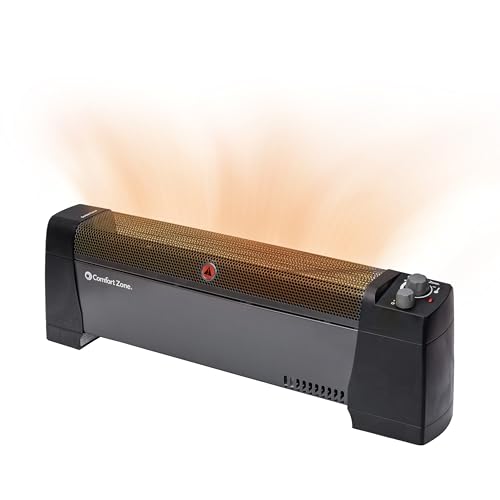
This plug-in, portable convection baseboard heater delivers 1500W of power for medium-sized rooms and is designed for simple setup without hardwiring. The unit features an adjustable built-in thermostat and two heat settings, allowing users to balance comfort and energy use. Safety features include tip-over shut-off, an overheat protection sensor, and a stay-cool body for safer handling. The heater is ETL listed, reflecting standard safety testing. The form factor targets bedrooms, offices, or dorm spaces where a plug-in solution is preferred. Installation requires only a standard outlet, and the convection design aims for even, consistent heat distribution rather than forced air circulation.
EZ-HEAT 1500 Watt Baseboard Space Heater

The EZ-HEAT CZ600 is a plug-in convection baseboard heater rated at 1500 watts and designed for medium-sized rooms. It offers two heat settings plus an adjustable thermostat to fine-tune room temperature. Safety systems include a tip-over switch, overheat protection, and a stay-cool body, which can be important in living areas with children or pets. The manufacturer highlights quiet operation, making it suitable for bedrooms or media rooms where noise is a concern. This model emphasizes user control and safety while delivering the kind of convection warmth associated with baseboard units.
Envi Plug-In Electric Panel Wall Heaters
Call 888-896-7031 for Free Local HVAC Quotes – Compare and Save Today!
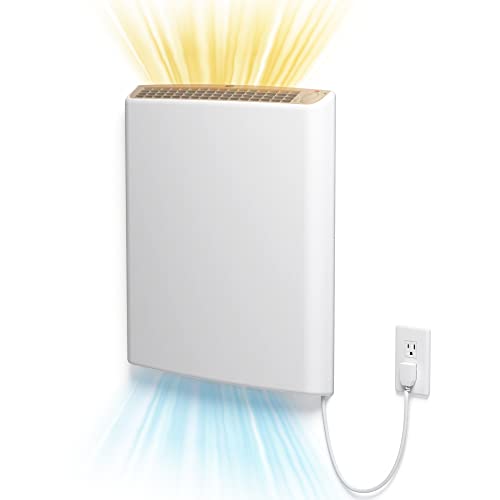
The ENVI wall panel is marketed as an energy-efficient, low-wattage option for targeted zone heating. Its fan-less “Stack Convection” design produces silent, gentle warmth and reduces airborne dust and allergens compared with forced-air units. The product description notes a surface operating temperature around 90°F and a wall-sense safety sensor that cuts power if removed from its mounting, allowing continuous 24/7 operation. This unit is suited for supplementing central heating and for spaces where quiet, unobtrusive warmth and low maintenance are priorities. Check mounting and plug compatibility for your wall outlet and local electrical codes before installation.
Cadet F Series 36″ Electric Baseboard Heater
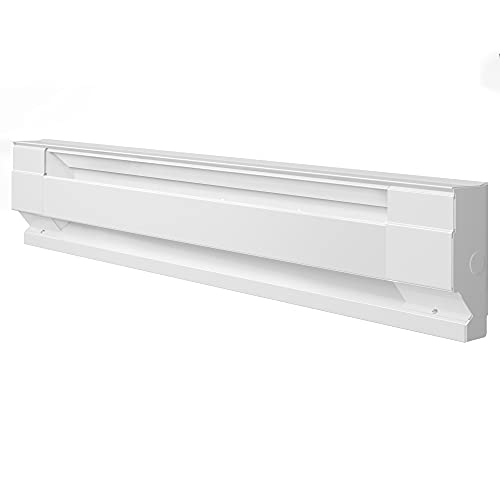
The Cadet F Series 36″ baseboard is an all-metal, powder-coated heater designed for reliable, permanent installation. This 750 watt model requires a separate thermostat and hardwiring, so it is not a plug-in product; it’s included as a comparative reference for users evaluating plug-in versus hardwired solutions. Construction features include 25 gauge steel casing and a 20 gauge junction box with ground, emphasizing durability. This model typically pairs with wall-mounted thermostats for whole-room temperature control and is suited to users willing to install a fixed heating element with lower visible profile and longer run-times than portable plug-in units.
KING K Series 4′ Baseboard Heater (Hardwired)

The KING 4K1210BW is a 4-foot, 1000 watt baseboard heater that is designed for hardwired installation rather than plug-in use. It uses an aluminum ribbon fin element and includes a full-length safety cutout. This product represents common features found in permanently installed baseboards: robust heating elements, long-length formats, and built-in safety cutouts. For homeowners comparing plug-in convenience to fixed systems, this model demonstrates trade-offs such as higher continuous capacity and integrated safety features that require professional or DIY electrical work to install.
Buying Guide: Choosing The Right Plug-In Baseboard Heater
When evaluating plug-in baseboard heaters or low-installation wall panels, focus on these key considerations to match product capabilities to your space and needs.
Call 888-896-7031 for Free Local HVAC Quotes – Compare and Save Today!
Heat Output And Room Size
Match wattage to room dimensions. 1500W typically covers medium rooms (roughly 150–250 square feet) depending on insulation and windows. Lower-wattage wall panels work for smaller zones or as supplemental heat sources.
Plug-In vs Hardwired
Plug-in models offer portability and no electrician required; ideal for renters and temporary needs. Hardwired baseboards
Thermostat And Controls
Built-in thermostats simplify setup but may offer less precise control than separate wall thermostats. Look for adjustable thermostats and multiple heat settings if you need flexible temperature control and energy savings.
Safety Features
Prioritize units with overheat protection, tip-over shutoff (for portable plug-in units), cool-touch exteriors, and ETL/UL listing. Wall-mounted panels often include sensors that cut power if improperly mounted.
Operation Mode And Air Quality
Convection models heat air gently and circulate warmth without a fan, which reduces airborne dust and noise. Fan-forced units provide faster heat distribution but can stir dust and produce audible sound. For allergy concerns or bedrooms, fan-less convection panels can be preferable.
Installation And Mounting
Ensure the plug-in cord length and plug type match your outlet location. Wall panels may require simple mounting brackets but confirm whether the product is truly plug-in or needs hardwiring. Hardwired baseboards require proper junction box mounting and often a qualified electrician.
Energy Use And Running Cost
Look at wattage and runtime. Lower-wattage panels running continuously at a set low temperature can be more efficient for zone heating than frequently cycling a high-wattage portable. Adjustable thermostats and multiple heat settings help control consumption.
Noise And Comfort
Choose fan-less designs for near-silent operation. Convection baseboards provide gradual, even warmth that avoids drafts. If noise sensitivity is important, confirm the product’s design emphasizes quiet performance.
Durability And Build Quality
Metal housings, powder-coated finishes, and quality internal elements (such as aluminum ribbon fins) contribute to longevity. Check for warranty terms and product certifications that indicate manufacturing standards.
Placement And Clearance
Observe manufacturer-recommended clearances from furniture, curtains, and flooring. Portable plug-in baseboards should not be obstructed; wall panels often require a small air gap to facilitate convection flow.
Comparison Perspectives
- Portability vs Permanence: Plug-in units offer flexibility; hardwired baseboards are a long-term solution for whole-room heating.
- Instant Heat vs Even Warmth: Fan heaters deliver faster perceived warmth; convection baseboards and panels deliver steadier, more even room temperatures.
- Noise vs Air Quality: Fan-less panels reduce noise and airborne particulates versus fan-forced designs.
- Safety and Code Compliance: Check local electrical codes for installation requirements, especially for hardwired units.
If you prioritize a true plug-in baseboard heater, focus on models explicitly described as plug-in or portable with standard corded plugs and built-in thermostats. For whole-room, permanent solutions, hardwired baseboards and dedicated wall thermostats may better suit long-term needs.
Tips for Getting the Best HVAC Prices
- Prioritize Quality Over Cost
The most critical factor in any HVAC project is the quality of the installation. Don’t compromise on contractor expertise just to save money. - Check for Rebates
Always research current rebates and incentives — they can significantly reduce your overall cost. - Compare Multiple Quotes
Request at least three estimates before making your choice. You can click here to get three free quotes from local professionals. These quotes include available rebates and tax credits and automatically exclude unqualified contractors. - Negotiate Smartly
Once you've chosen a contractor, use the proven strategies from our guide — How Homeowners Can Negotiate with HVAC Dealers — to get the best possible final price.