
Quick Overview: This guide compares five of the most relevant propane convection heaters suitable for garages, workshops, barns, and construction sites. Each model is selected for its heating capacity, safety certifications, fuel compatibility, and intended use.
| Model | Brand | BTU Range | Estimated Coverage |
|---|---|---|---|
| Dyna-Glo RMC-LPC200DG | Dyna-Glo | 50,000–200,000 | Up to 4,700 sq. ft. |
| Mr. Heater Convection 30-80K | Mr. Heater | 30,000–80,000 | Up to 2,000 sq. ft. |
| ProTemp PT-80V-LPC | Pro-Temp | 80,000 | Up to 1,800 sq. ft. |
| Dura Heat LPC80 | Dura Heat | 50,000–80,000 | Up to 1,900 sq. ft. |
| Mr. Heater MH200C | Mr. Heater | Up To 200,000 | Large Commercial Spaces |
Content Navigation
- Dyna-Glo RMC-LPC200DG 50,000 To 200,000 BTU Convection Heater
- Mr. Heater Convection Heater 30-80K BTU
- ProTemp 80,000 BTU LP Convection Heater (PT-80V-LPC)
- Dura Heat LPC80 50-80,000 BTU Convection Heater
- Mr. Heater 200,000 BTU Propane Convection Heater MH200C
- Buying Guide: How To Choose A Propane Convection Heater
Dyna-Glo RMC-LPC200DG 50,000 To 200,000 BTU Convection Heater
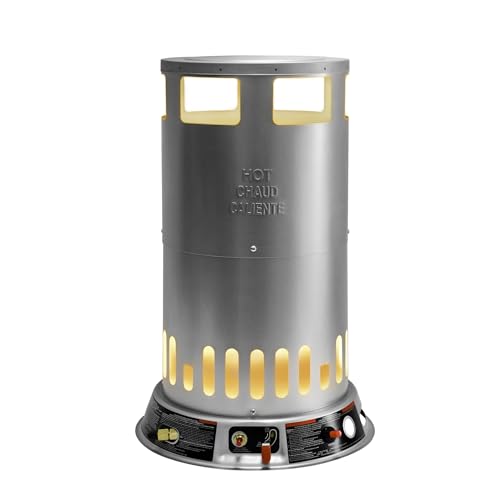
This Dyna-Glo unit Offers A Wide BTU Range (50,000–200,000) Designed For Large Or Variable Spaces. The manufacturer Lists Heating Capacity Up To 4,700 Sq. Ft. The product is Intended For Outdoor And Indoor Construction/Commercial Use When Proper Ventilation Is Provided. Typical applications include large shops, job sites, and well-ventilated commercial spaces. Key considerations include proper gas supply, ventilation requirements, and mounting/placement to ensure consistent convection airflow.
Mr. Heater Convection Heater 30-80K BTU
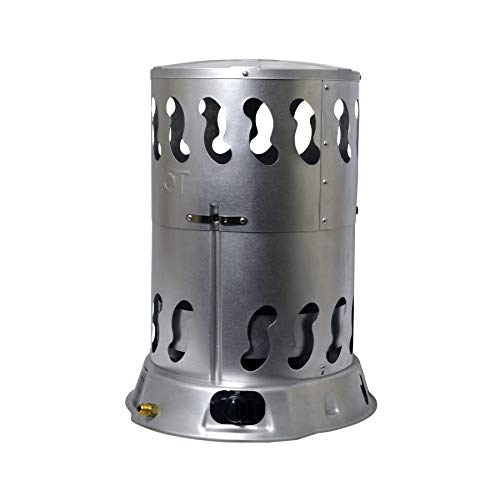
The Mr. Heater Convection Heater Offers 30,000–80,000 BTU/HR Output And Is Configured For Use With Propane Gas. The Manufacturer States Coverage Up To 2,000 Sq. Ft. It Can Operate Multiple Hours On Larger Propane Cylinders And Features A Standing Pilot For Continuous Operation And Enhanced Safety. This model Is Commonly Selected For Medium-Sized Garages, Workshops, And Temporary Job Site Heating Where Continuous convection is desired.
ProTemp 80,000 BTU LP Convection Heater (PT-80V-LPC)

Call 888-896-7031 for Free Local HVAC Quotes – Compare and Save Today!
The ProTemp PT-80V-LPC Is CSA Certified For Safety And Rated At 80,000 BTU. The Manufacturer Notes Coverage Up To 1,800 Sq. Ft. And Compatibility With A 20 lb Propane Tank. Its Features Emphasize Safety Certification And Continuous Heat Distribution For Workshops, Garages, And Construction Areas. The design focuses on reliability and simplified fuel use with standard LP cylinders for extended runtime.
Dura Heat LPC80 50-80,000 BTU Convection Heater

The Dura Heat LPC80 Is A 360-Degree Convection Heater With Variable Output Between 50,000 And 80,000 BTU. It Uses Propane Only And Is Designed For Long Run Times On Larger Cylinders, With Manufacturer Claims Of Up To 17 Hours On A 40 lb Cylinder. The Unit Includes A Piezo Igniter And Requires No Electricity For Operation, Which Can Be Useful In Remote Or Off-grid Worksites. Stated Coverage Is Up To 1,900 Sq. Ft.
Mr. Heater 200,000 BTU Propane Convection Heater MH200C
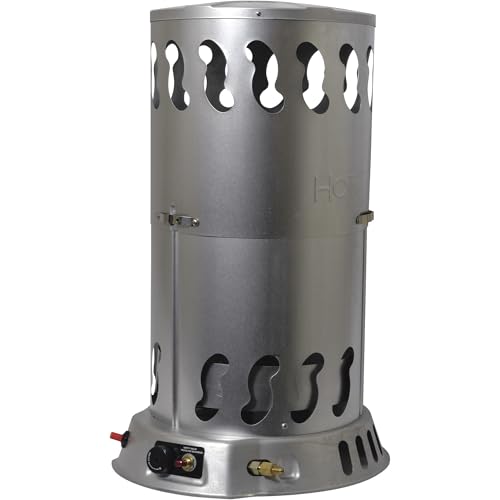
The Mr. Heater MH200C Offers High Output Up To 200,000 BTU And Is Designed For Large Commercial Or Industrial Spaces. It Features Adjustable Output, Is CSA Certified, And Includes A 10-Foot LP Gas Hose For Flexible Installation. This model Is Aimed At Contractors And Facility Managers Who Need Robust Convection Heating For Big Warehouses Or Construction Enclosures, Provided Proper Venting And Gas Supply Are In Place.
Buying Guide: How To Choose A Propane Convection Heater
Selecting The Right Propane Convection Heater Requires Matching heater specifications to your space, safety needs, fuel logistics, and regulatory requirements. Below are the most important factors to compare.
Call 888-896-7031 for Free Local HVAC Quotes – Compare and Save Today!
Tips for Getting the Best HVAC Prices
- Prioritize Quality Over Cost
The most critical factor in any HVAC project is the quality of the installation. Don’t compromise on contractor expertise just to save money. - Check for Rebates
Always research current rebates and incentives — they can significantly reduce your overall cost. - Compare Multiple Quotes
Request at least three estimates before making your choice. You can click here to get three free quotes from local professionals. These quotes include available rebates and tax credits and automatically exclude unqualified contractors. - Negotiate Smartly
Once you've chosen a contractor, use the proven strategies from our guide — How Homeowners Can Negotiate with HVAC Dealers — to get the best possible final price.
Heating Capacity And Coverage
- BTU Output: Choose a unit whose BTU range aligns with your area’s cubic volume. Higher BTUs suit larger, poorly insulated spaces; lower BTUs are better for insulated garages or small workshops.
- Coverage Estimates: Manufacturers provide square-foot guidance—use these as starting points and adjust for insulation, ceiling height, and air leaks.
Fuel Compatibility And Runtime
- Tank Size: Check whether the heater uses 20 lb, 40 lb, or larger tanks and confirm run times. Longer runtime reduces refueling frequency.
- Hose And Connections: Look For Included LP hoses, regulator compatibility, and hose length if remote mounting is needed.
Safety And Certifications
- Certifications: Prefer CSA or other recognized certifications which indicate tested safety and performance.
- Safety Features: Standing pilot, piezo igniters, ODS (oxygen depletion sensor) where applicable, and tip-over protections for certain units matter depending on installation.
Installation And Ventilation
- Indoor Use: Many convection heaters Are Suitable For Indoor Use Only With Proper Ventilation. Confirm manufacturer guidance for indoor vs. outdoor operation.
- Ventilation Requirements: Heaters producing combustion byproducts need adequate airflow or venting; sealed or vent-free units have different requirements.
- Mounting & Portability: Consider stationary mount models for permanent shops vs. portable units for temporary job sites.
Operation And Controls
- Ignition Type: Piezo, standing pilot, or electronic ignition affects reliability and ease-of-start. Piezo and standing pilot often require no electricity.
- Adjustability: Variable BTU settings or adjustable outputs let you tailor heat output to changing conditions.
Durability And Intended Use
- Commercial vs. Residential: Heavy-duty, high-BTU units Are Designed For Construction And Industrial Use; match the product class to your environment.
- Materials & Build: Look for corrosion-resistant finishes and robust components if used in dusty, damp, or high-traffic areas.
Comparative Perspectives
- Large Spaces: Models With 150–200k BTU Ratings (Dyna-Glo, Mr. Heater MH200C) Provide Rapid Heating For Very Large Or Poorly Insulated Spaces But Require Robust Fuel Supply And Ventilation.
- Medium Workshops: 50k–80k BTU Units (ProTemp, Dura Heat, Mr. Heater 30–80K) Balance Runtime And Coverage For Typical Garages, Barns, And Shops.
- Run Time vs. Portability: Units Designed For Large Cylinders Offer Longer Continuous Run Times; models Using 20 lb Tanks Are Easier To Move But Need More Frequent Refueling.
- Safety Tradeoffs: Continuous pilot systems provide instant heat but may consume fuel; piezo ignitions avoid constant pilot consumption but need reliable ignition operation.
Installation Checklist
- Verify local codes and permit requirements for indoor propane heater use.
- Confirm ventilation and clearance specifications in the product manual.
- Use certified gas fittings and leak-test connections after installation.
- Place carbon monoxide or oxygen depletion detectors where required.
Maintenance And Troubleshooting
- Regularly inspect fuel lines, hoses, and connectors for wear or damage.
- Clean combustion ports, vents, and exterior housing to maintain airflow.
- Follow manufacturer guidance for winterization and storage.