
Choosing the right outdoor ceiling heater depends on power, installation type, weather rating, and control options. Below is a quick comparison of five selected heaters to help you match features to your patio, garage, or commercial space.
| Product | Power / Type | Mounting | Weather Rating |
|---|---|---|---|
| DR Infrared DR-238 | 900–1500W, Carbon Infrared | Ceiling or wall | IP55 |
| Dr. Infrared 10,260 BTU (3000W) | 3000W / 10,260 BTU, Carbon Infrared | Ceiling or wall mount | IP55 (weatherproof) |
| ThermoMate Infrared Patio Heater | 3000W, Carbon Fiber | Ceiling hard-wired | Indoor/Outdoor (hardwired) |
| Paraheeter Electric Outdoor Heater | 1500W Carbon Infrared | Wall / Ceiling / Tripod | CSA certified, tip-over safety |
| Briza Infrared Electric Patio Heater | 1500W, Portable / Mountable | Ceiling / Wall / Stand | Indoor/Outdoor use |
Content Navigation
DR Infrared Heater DR-238 Carbon Infrared
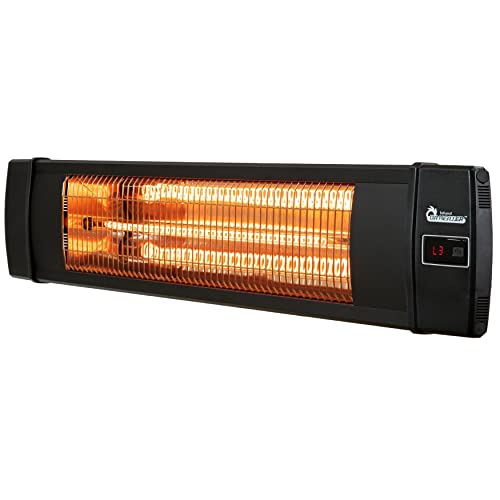
This unit Is Listed As An Indoor And Outdoor Heater With An IP55 Rating, Making It Suitable For Covered Patios, Garages, And Open-Air Restaurant Areas. The Heater Uses Carbon Infrared Technology To Deliver Clean, Instant, Odorless Heat With Three Power Settings: 900W, 1200W, And 1500W.
Key Features: IP55 Weatherproof Rating, Remote Control Operation, Standard 120V Plug-In Installation, And Multiple Power Levels. The heater Is Marketed For Quick Warm-Up And Targeted Radiant Heat, Which Is Less Affected By Wind Than Convection Units.
Installation Notes: Designed For Ceiling Or Wall Mounting; Uses A Standard 120V Circuit; Ideal For Home Patios Or Small Commercial Outdoor Dining Areas Needing instant radiant warmth without hardwiring.
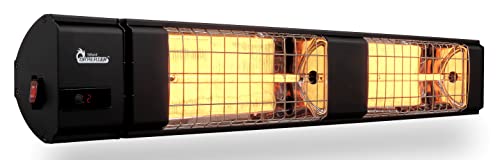
Dr. Infrared 10,260 BTU Infrared Heater
Call 888-896-7031 for Free Local HVAC Quotes – Compare and Save Today!
This High-Powered Unit Uses A 3000W Carbon Infrared Element Delivering Approximately 10,260 BTU Of Heat Output, Intended For Larger Patios, Garages, Or Commercial Spaces. It Operates On 220–240V And Includes A Power Plug For The Appropriate Voltage.
Key Features: Two Power Levels, Remote Control, Weatherproof IP55 Rating, And Hardware For Ceiling Or Wall Installation. The Design Focuses On Quick Radiant Heat For People And Surfaces Rather Than Heating Air Volumes.
Installation Notes: Requires 220–240V Supply; Hardware Included For Mounting; Suitable For Areas Where Higher Heat Output And Broader Coverage Are Needed. Provides instant, odorless infrared heating and is marketed for both indoor and outdoor applications.
ThermoMate Infrared Electric Patio Heater

The ThermoMate Uses A Carbon Fiber Heating Tube And Offers A 3000W Output With Rapid Heat Delivery Claimed In Seconds. It Is Intended For Hardwired 240V Installation To A Dedicated Circuit And Is Rated To Cover Around 100–130 Sq. Ft., Depending On Mounting Height.
Key Features: 24-Hour Timer Via Remote, Low/High Power Modes (1500W/3000W), Hardwired Installation Requirement, And Recommended Mounting Height. The Heater Emphasizes Direct Infrared Heating Of People And Objects, Which Can Be Advantageous Outdoors.
Call 888-896-7031 for Free Local HVAC Quotes – Compare and Save Today!
Installation Notes: Must Be Hardwired To A Dedicated Circuit—plan For Electrical Work. Mounting Hardware And A 6.3-Foot Cable Are Included; Suitable For Patios, Enclosed Porches, Garages, Or Workshop Areas Where Permanent Wiring Is Acceptable.
Paraheeter Electric Outdoor Heater

The Paraheeter Unit Is Marketed As A Versatile Carbon Infrared Heater That Can Be Wall-Mounted, Ceiling-Mounted, Or Placed On An Adjustable Tripod Stand. It Emphasizes Instant Radiant Heating And Lower Operating Costs Compared To Propane Alternatives.
Key Features: Safety Metal Grille, 3-Prong Grounded Plug, Tip-Over Auto-Shutoff, And Simple Assembly With Video/Manual Support. The Unit Claims Carbon Infrared Efficiency, Quiet Operation, And No Emissions During Use.
Installation Notes: Flexible Mounting Options Make It Suitable For Both Temporary And Semi-Permanent Setups. The Tripod Option Can Be Advantageous For Events Or Variable Layouts Where Ceiling Mounting Isn’t Available.
Briza Infrared Electric Patio Heater
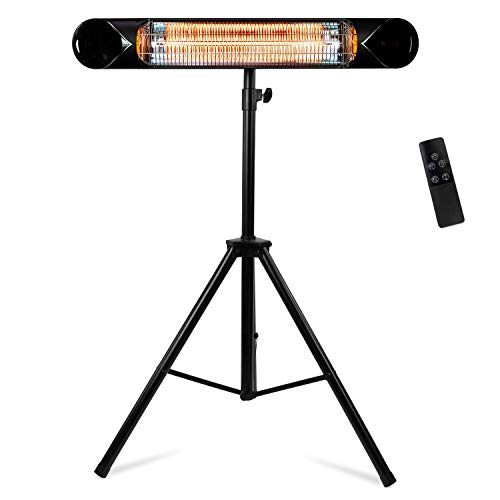
The Briza Unit Is Designed For Dual Use: Wall Or Ceiling Mounting With Hardware Included, Or Portable Operation Using An Adjustable Tripod Stand. It Offers Remote Control For Power, Timer, And Heat Level Adjustments.
Key Features: Remote Control, Timer Function, Safety Sensor For Tip-Over Protection When Used With A Stand, And Mounting Hardware For Ceiling Or Wall. The Heater Is Positioned As A Flexible Option For Small Patios, Porches, And Garages.
Installation Notes: Good For Users Who Want Both Portable And Mounted Options; The Tripod Enhances Portability For Seasonal Or Event Use. Consider Mounting Height And Coverage Area For Best Radiant Performance.
Buying Guide: How To Choose An Outdoor Ceiling Heater
When selecting an outdoor ceiling heater, balance coverage, power, installation type, and weather resistance. Below are core considerations and comparisons to guide your decision.
Heat Output And Coverage
- Wattage/BTU: Higher wattage (e.g., 3000W) provides greater coverage and faster warm-up for larger spaces. Lower wattage (900–1500W) is suited to smaller patios or targeted zones.
- Infrared Versus Convection: Infrared heaters warm people and surfaces directly, which is often preferable outdoors where air movement reduces convection efficiency.
- Mounting Height: Check recommended mounting heights. Many infrared units list optimal heights to achieve rated coverage.
Power Supply And Installation
- Plug-In Vs Hardwired: Plug-in models (120V) are easier to install; hardwired units (240V) typically offer higher output but require an electrician.
- Mounting Hardware: Confirm whether ceiling brackets, wall brackets, or stands are included. Some units offer tripod stands for temporary setups.
Weather Rating And Durability
- IP Ratings: IP55 and IP65 indicate better protection against water and dust — important for exposed patios. Lower ratings like IP34 limit use in heavy rain but may be acceptable under covered areas.
- Materials: Rustproof metal housings and protective grilles increase longevity in outdoor environments.
Controls, Safety, And Features
- Remote And Timer: Remote control and programmable timers add convenience for scheduled operation and energy savings.
- Safety Protections: Tip-over shutoff, overheat protection, and grounded plugs are critical for safe outdoor use and family environments.
- Noise And Emissions: Electric infrared heaters produce no combustion emissions and are typically quiet compared to gas heaters.
Installation Environment And Use Cases
- Covered Patios/Gazebos: Lower IP ratings may be acceptable if the heater is protected from direct exposure.
- Open-Air Dining Or Large Garages: Higher wattage (3000W) or multiple units may be necessary to maintain comfort during colder evenings.
- Commercial Use: Look For Units Rated For Continuous Operation, Higher BTU Output, And Professional Mounting Options.
Energy Efficiency And Operating Costs
- Infrared Efficiency: Infrared heaters often feel warmer at lower thermostat equivalents because they heat objects directly, potentially reducing runtime and energy use.
- Multiple Power Levels: Units With Low/High Settings Allow Better Control Of Energy Consumption For Variable Conditions.
Comparison Perspectives
- Small Covered Patio: A 1500W plug-in unit with IP55 or higher can provide targeted warmth without complicated wiring.
- Large Or Semi-Enclosed Space: Hardwired 3000W options deliver broader coverage and faster heat but require professional electrical installation.
- Portable Or Event Use: Models With Tripod Stands And Tip-Over Protection Offer Flexibility To Move Heat Where Needed.
- Commercial Outdoor Dining: Choose units With Higher IP Ratings, Remote Controls For Staff Convenience, And Sufficient BTU/Wattage For Table-Level Comfort.
These considerations will help you match a heater’s capabilities to your outdoor setting, mounting constraints, and user needs. Evaluate wattage, weatherproofing, installation requirements, and safety features before purchase.
Tips for Getting the Best HVAC Prices
- Prioritize Quality Over Cost
The most critical factor in any HVAC project is the quality of the installation. Don’t compromise on contractor expertise just to save money. - Check for Rebates
Always research current rebates and incentives — they can significantly reduce your overall cost. - Compare Multiple Quotes
Request at least three estimates before making your choice. You can click here to get three free quotes from local professionals. These quotes include available rebates and tax credits and automatically exclude unqualified contractors. - Negotiate Smartly
Once you've chosen a contractor, use the proven strategies from our guide — How Homeowners Can Negotiate with HVAC Dealers — to get the best possible final price.