
Finding the right plastic drum heater helps protect liquids from freezing, maintain viscosity, and ensure safe handling. The table below summarizes five well-rated heater bands and blankets suited for plastic containers and 55-gallon drums.
| Product | Fit/Size | Power/Voltage | Key Feature |
|---|---|---|---|
| Nopwer 55-Gallon Drum Pail Heater Pad-Band | 55 Gallon / 250mm x 1740mm | 1200W / 120V | High temp silicone, fireproof outer layer |
| QWORK Drum Heater Barrel Band (55 Gallon) | 55 Gallon | 1200W / 120V | Adjustable thermostat, 360° heating element |
| BriskHeat Plastic Drum Heater DPCS15 (55 Gal) | 55 Gallon | 300W / 120V | 360° grounded heating element, adjustable thermostat |
| NORJIN 5 Gallon Silicone Heating Band | 5 Gallon / 7.8″ x 33.8″ | 800W / 120V | Thermostat control, double reinforced silicone |
| PeakRider 5/55 Gallon Drum Heater Band | 5 & 55 Gallon options | 800W / 1200W / 120V | Twist temperature controller, 360° element |
Content Navigation
Nopwer 55-Gallon Drum Pail Heater Pad-Band

This band is sized for a 55-gallon (200L) drum and specifies a footprint of 250mm by 1740mm (10″ x 68.5″). The unit operates at 120V and 1200W and lists a temperature range from 30–150°C. Materials include high-temperature resistant silicone rubber and a flame retardant glass fiber cloth outer layer intended to be fireproof, oilproof, and acidproof.
Design notes: the pad claims broad temperature range suitability for long-term storage and high-intensity use. This heater is positioned for applications where continuous temperature maintenance is needed, and the insulation layer aims to reduce heat loss.
QWORK Drum Heater Barrel Band For 55 Gallon

The QWORK heater provides a 1200W, 120V band with an adjustable thermostat ranging from 80–300°F (30–150°C). The product description highlights a 360-degree grounded multi-stranded heating element for uniform heat distribution and recommends a thermostat setting below 100°F (37°C) for plastic drums.
Call 888-896-7031 for Free Local HVAC Quotes – Compare and Save Today!
Construction details: it uses a two-layer reinforced silicone rubber for durability and lists grounding for the heating element to improve safety. This heater prioritizes even heating and user-controlled temperature, which helps lower the risk of hot spots on plastic containers.
BriskHeat Plastic Drum Heater DPCS15 (55-Gallon)
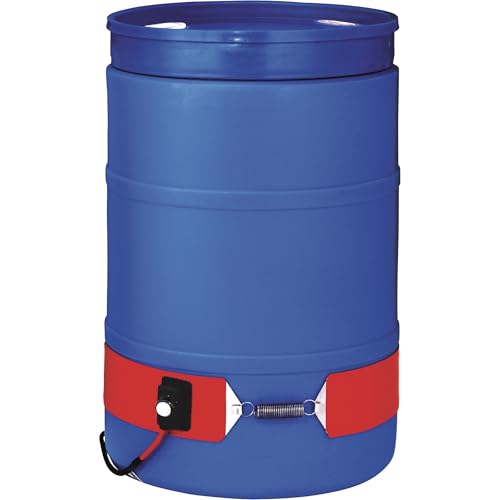
BriskHeat markets this model as a 55-gallon plastic drum heater with a 360° grounded multi-stranded heating element and an easy-to-adjust thermostat (50–160°F). The band attaches with a spring and hook closure and uses a silicone exterior to improve surface contact and flexibility.
Performance notes: rated at 300W, 120V, this design is for maintaining temperature and viscosity rather than rapid heating. Built-in thermostat control provides simple adjustment and the wrap-style closure is common for secure surface contact on cylindrical drums.
NORJIN 5-Gallon Silicone Drum Heater Band

This smaller band targets 5-gallon drums and measures 7.8″ x 33.8″ with 800W at 120V. The thermostat range is listed at 86–302°F (30–150°C), with manufacturer guidance to keep settings below 100°F (37°C) for plastic drums to avoid container damage.
Call 888-896-7031 for Free Local HVAC Quotes – Compare and Save Today!
Material and safety: the band is built from double-reinforced silicone rubber and a grounded heating element. The listing notes the product ships as the heater band only—drums are not included. This model is useful when working with smaller plastic buckets or five-gallon pails that need controlled heating.
PeakRider 5/55 Gallon Drum Heater Band

PeakRider offers both 5-gallon (800W) and 55-gallon (1200W) band options with a twist-type temperature controller rated from approximately 86–302°F. The heater describes a tight adhesion to drum surface for fast, uniform heat and promotes a 360-degree multi-stranded element.
Usability notes: the product emphasizes quick warm-up and stable temperature maintenance. The manufacturer recommends thermostat settings below 100°F for plastic containers to preserve drum integrity. This option is targeted at general-purpose heating for grease, honey, oils, and similar viscous materials.
Buying Guide: Choosing A Plastic Drum Heater
Selecting the right heater depends on drum size, material, contents, and safety needs. Below are key considerations and comparison perspectives to guide a purchase.
Tips for Getting the Best HVAC Prices
- Prioritize Quality Over Cost
The most critical factor in any HVAC project is the quality of the installation. Don’t compromise on contractor expertise just to save money. - Check for Rebates
Always research current rebates and incentives — they can significantly reduce your overall cost. - Compare Multiple Quotes
Request at least three estimates before making your choice. You can click here to get three free quotes from local professionals. These quotes include available rebates and tax credits and automatically exclude unqualified contractors. - Negotiate Smartly
Once you've chosen a contractor, use the proven strategies from our guide — How Homeowners Can Negotiate with HVAC Dealers — to get the best possible final price.
Fit And Size
- Match Heater To Drum Capacity: Use 55-gallon bands for 55-gallon drums and smaller bands for 5-gallon buckets. A proper fit ensures even contact and optimal heat transfer.
- Coverage Area: Wider or extra-long blankets provide more surface contact and reduce cold spots.
Power Output And Heat-Up Time
- Higher Wattage For Faster Warm-Up: 1200W bands heat faster than 300W bands—consider power if you need rapid temperature recovery.
- Maintenance Vs. Heating: Lower wattage may be sufficient for maintaining viscous fluids, while higher wattage works better for thawing or rapid viscosity reduction.
Temperature Range And Control
- Thermostat Range: Choose a band with a control range that includes the temperatures you need. Many units use 30–150°C or similar Fahrenheit equivalents.
- Precise Controls For Plastic: Plastic drums can deform at high temperatures. Prioritize adjustable thermostats and follow manufacturer recommendations (often keeping below 100°F / 37°C for plastic).
Material Compatibility And Surface Protection
- Silicone Outer Layers: Reinforced silicone bands provide flexibility, good contact, and resistance to oils and chemicals.
- Insulation And Safety Layers: Look for flame-retardant outer layers and fiberglass or aluminum heating layers for stability and durability.
Safety Features
- Grounded Heating Elements: Grounded elements reduce electrical hazards, especially in industrial or damp environments.
- Thermal Cutoffs And Over-Temperature Protection: Built-in safety switches or thermostat limits help prevent overheating and container damage.
Installation And Attachment
- Attachment Style: Look for spring-and-hook closures, straps, or wrap-around blankets that hold tightly for consistent thermal contact.
- Portability And Storage: Removable blankets and flexible bands are easier to store and reuse across multiple drums.
Durability And Environmental Resistance
- Chemical And Oil Resistance: Outer layers that resist oil, acid, and solvents will last longer in industrial settings.
- Weather And Water Resistance: If used outdoors, prefer weather-resistant blankets with waterproof coatings or rated insulation.
Application-Specific Considerations
- Contents Type: For food products (honey, syrups), ensure materials meet cleanliness needs and avoid overheating.
- Viscosity Targets: Determine the target viscosity/temperature and choose wattage and thermostat range accordingly.
- Continuous Vs. Intermittent Use: Continuous heating requires robust insulation and safety features; intermittent thawing may prioritize higher wattage.
Comparison Perspectives
- Performance vs. Safety: Higher wattage models heat quickly but require stricter monitoring and thermal protection, especially on plastic drums.
- Cost-to-Durability: Reinforced silicone and multi-layer construction often cost more but extend service life in industrial use.
- Ease of Use vs. Precision: Simpler twist controllers are easy to operate; digital or calibrated thermostats offer greater precision.
Installation Tips
- Clean the drum surface before applying the heater to improve thermal contact.
- Position the thermostat probe per manufacturer instructions and avoid direct contact with bulk contents unless designed for immersion.
- Monitor initial runs to verify desired temperature settings, especially when adapting metal-rated heaters to plastic drums.
Maintenance And Inspection
- Inspect bands and cables for wear, cracks, or damage before each use.
- Store heaters flat or rolled per manufacturer guidelines to prevent creasing of heating elements.
- Replace units with frayed insulation or exposed wiring, and follow grounding recommendations.