
Outdoor infrared heaters deliver targeted warmth for patios, decks, restaurants, and garages without the hassles of propane. Below is a concise comparison table of five highly relevant models selected for outdoor use, coverage, and mounting versatility.
| Product | Key Feature | Power / Rating |
|---|---|---|
| Dr Infrared Heater DR-238 Carbon Infrared Outdoor Heater | IP55 Weatherproof, Plug-and-Go | 1500W (3 settings) |
| Dr. Infrared Heater 10,260 BTU 3000W | High Output, Hard-Wired 220-240V Option | 3000W / 10,260 BTU |
| Paraheeter Electric Outdoor Heater | Tripod, Wall/Ceiling Mount, Safety Features | 1500W Carbon Infrared |
| SereneLife Outdoor Electric Patio Heater | IP65 Waterproof, Remote, Aluminum Reflector | 1500W |
| ThermoMate Infrared Electric Patio Heater | 3000W Carbon Fiber, 24-Hour Timer, Hard-Wired | 3000W |
Content Navigation
- Dr Infrared Heater DR-238 Carbon Infrared Outdoor Heater
- Dr. Infrared Heater 10,260 BTU Infrared Heater 3000W
- Paraheeter Electric Outdoor Heater With Tripod
- SereneLife Outdoor Electric Patio Heater 1500W
- ThermoMate Infrared Electric Patio Heater 3000W Carbon Fiber
- Buying Guide: How To Choose An Outdoor Infrared Heater
- 1. Power And Coverage
- 2. Mounting Options And Flexibility
- 3. Weatherproof Rating
- 4. Power Source And Installation
- 5. Heating Technology And Efficiency
- 6. Controls, Timers, And Customization
- 7. Safety Features And Certifications
- 8. Noise, Odor, And Air Quality
- 9. Operating Costs And Efficiency
- 10. Placement And Angle For Best Coverage
- Comparison Perspectives
Dr Infrared Heater DR-238 Carbon Infrared Outdoor Heater
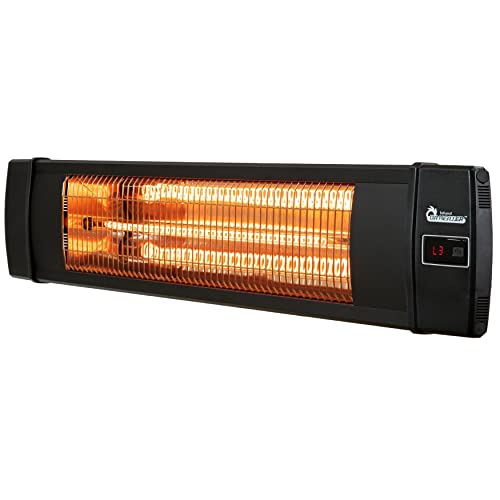
This model is marketed as an indoor and outdoor heater with an IP55 rating, suitable for patios, garages, and open-air restaurants. It uses a carbon infrared element and offers three power settings: 900W, 1200W, and 1500W.
Features listed include instant, odorless infrared heat, a standard 120V plug, and a remote control for operation. The unit emphasizes plug-and-go convenience without special wiring.
Practical considerations: IP55 implies protection against dust and water jets but not continuous immersion. The multiple wattage options help customize heat output and energy use for smaller outdoor spaces.
Dr. Infrared Heater 10,260 BTU Infrared Heater 3000W
Call 888-896-7031 for Free Local HVAC Quotes – Compare and Save Today!
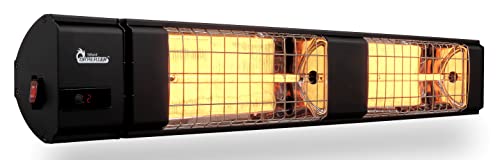
This high-output unit delivers 10,260 BTU / 3000W using a carbon infrared element designed for larger patios, commercial spaces, and garages. It is IP55 weatherproof for outdoor use and provides instant, odorless heat.
Included mounting hardware supports ceiling and wall installation; a remote controls power levels and standby. The product supports 220–240V operation and includes a power plug for applicable regions.
Considerations: the greater wattage suits larger or partially enclosed outdoor spaces but may require dedicated circuits or higher-voltage supply in some installations.
Paraheeter Electric Outdoor Heater With Tripod

The Paraheeter is a versatile carbon infrared heater that can be wall-mounted, ceiling-mounted, or used on an adjustable tripod. It emphasizes easy assembly and multiple safety protections including a grounded plug, safety grille, and tip-over auto shutoff.
The unit’s heating philosophy is carbon infrared heating that warms objects directly rather than the air, which is advantageous outdoors where wind reduces convective heating. The manufacturer highlights lower operating costs versus propane heaters and no combustion fumes.
Call 888-896-7031 for Free Local HVAC Quotes – Compare and Save Today!
Practical notes: the three-in-one mounting option is useful for temporary or rental situations; verify tripod stability and secure mounting hardware for permanent installations.
SereneLife Outdoor Electric Patio Heater 1500W

The SereneLife patio heater offers 1500W infrared heating with an aluminum reflector and remote control. It is rated IP65, indicating stronger protection against water and dust compared to IP55-rated alternatives.
Features include three power settings, quiet operation, and promotional emphasis on odorless, gas-free warmth for year-round outdoor comfort.
Considerations: IP65 makes this model better suited to wetter environments like covered patios or decks exposed to occasional rain. The 1500W output is typical for small- to medium-sized outdoor seating areas.
ThermoMate Infrared Electric Patio Heater 3000W Carbon Fiber

The ThermoMate uses a carbon fiber heating tube with 3000W output providing rapid heat within seconds. The listing claims coverage up to about 120 square feet outdoors and includes a 24-hour timer and full remote control.
This unit requires hard-wiring to a dedicated 240V circuit and includes a cable for connection. Recommended mounting height and installation specifications are provided by the manufacturer.
Practical considerations: hard-wiring supports continuous high-power operation and cleaner aesthetics but requires electrical work and compliance with local codes.
Buying Guide: How To Choose An Outdoor Infrared Heater
Selecting the right outdoor infrared heater requires matching device capability to your space, installation constraints, and safety needs. Below are core considerations and comparison viewpoints to guide decision-making.
1. Power And Coverage
Wattage/BTU determines how much heat a unit can emit. For small patios, 1500W units are common and energy-efficient. Larger or semi-enclosed areas may need 3000W or higher (or multiple 1500W units). Manufacturers sometimes provide estimated coverage in square feet—use that as a starting point but account for outdoor heat loss.
2. Mounting Options And Flexibility
Decide between wall/ceiling-mounted, tripod/portable, or freestanding units. Fixed mounts are less obtrusive and often safer long-term; tripods or portable heaters suit temporary setups or events. Consider tripod stability and clearances for portable units.
3. Weatherproof Rating
IP ratings indicate protection: IP55IP65
4. Power Source And Installation
Options include plug-in 120Vhard-wired 240V
5. Heating Technology And Efficiency
Carbon infrared elements heat objects and people directly, which performs well outdoors since it doesn’t rely on warming the air. Reflectors and element length influence directional heat distribution. Look for rapid warm-up times when immediate comfort is desired.
6. Controls, Timers, And Customization
Remote controls, multiple power levels, 24-hour timers, and memory functions increase convenience. For variable climates or commercial use, timers and programmable settings help optimize energy consumption.
7. Safety Features And Certifications
Key safety attributes include tip-over protection
8. Noise, Odor, And Air Quality
Electric infrared heaters produce quiet, odorless heat
9. Operating Costs And Efficiency
Compare expected runtime wattage and local electricity rates. Infrared heaters can be more efficient than forced-air or propane options when heating people and objects directly in outdoor settings. Higher wattage increases heat but also energy draw.
10. Placement And Angle For Best Coverage
Mount heaters at recommended heights and angles to maximize radiant coverage while avoiding glare or direct eye exposure. Many manufacturers specify minimum mounting heights and optimal tilt angles for coverage maps.
Comparison Perspectives
- Small Patio / Home Use: 1500W plug-in IP55 or IP65 models offer a balance of convenience and protection without electrical upgrades.
- Large Or Semi-Enclosed Areas: 3000W hard-wired units provide higher output for larger seating areas or partially enclosed patios.
- Temporary Or Multi-Use Spaces: Tripod or portable models with tip-over protection suit events and rentals.
- Wet Or Coastal Environments: Prefer IP65-rated heaters and corrosion-resistant materials.
- Commercial Dining Areas: Look for robust mounting hardware, higher IP ratings, quick heat output, and compliance with local codes.
Use the above considerations to evaluate product listings against your site conditions, electrical capacity, and safety requirements before purchase and installation.
Tips for Getting the Best HVAC Prices
- Prioritize Quality Over Cost
The most critical factor in any HVAC project is the quality of the installation. Don’t compromise on contractor expertise just to save money. - Check for Rebates
Always research current rebates and incentives — they can significantly reduce your overall cost. - Compare Multiple Quotes
Request at least three estimates before making your choice. You can click here to get three free quotes from local professionals. These quotes include available rebates and tax credits and automatically exclude unqualified contractors. - Negotiate Smartly
Once you've chosen a contractor, use the proven strategies from our guide — How Homeowners Can Negotiate with HVAC Dealers — to get the best possible final price.