
Choosing the right outdoor stand heater can extend your entertaining season and keep patios comfortable. This guide reviews five stand-capable outdoor heaters that cover electric infrared, carbon fiber, and propane tower styles to suit different spaces, power sources, and safety needs.
| Product | Type | Power Source | Key Feature |
|---|---|---|---|
| Dr Infrared DR-238 Carbon Infrared | Electric Carbon Infrared | 120V Plug-in | IP55 Rated For Indoor/Outdoor |
| Amazon Basics 46,000 BTU Patio Heater | Propane Tower Heater | Propane | 46,000 BTU Coverage |
| Briza Infrared Electric Patio Heater | Electric Infrared | 120V Plug-in | Wall/Ceiling/Stand Mounting |
| SereneLife Infrared Patio Heater | Electric Infrared | 120V Plug-in | IP65 Waterproof, Tip-Over Safety |
| Dr Infrared DR-338 Carbon Infrared | Electric Carbon Infrared | 120V Plug-in | Adjustable Tripod Included |
Content Navigation
Dr Infrared DR-238 Carbon Infrared Heater
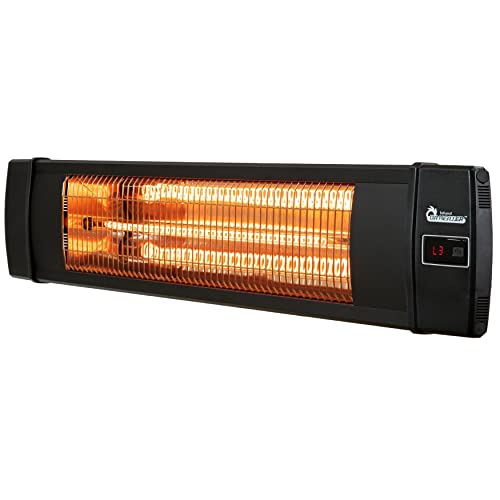
This unit Is IP55 approved for both indoor and outdoor use, designed to serve patios, decks, garages, and open-air restaurants. It offers clean, instant infrared heat with three power settings: 900W, 1200W, and 1500W, operating on standard 120V, 60Hz. The heater is remote controlled and uses plug-and-play convenience with no gas required.
Key features include IP55 weather rating for protection against dust and water jets, multiple heat levels for adjustable comfort, and carbon infrared heating elements that provide direct radiant warmth. These elements heat objects and people rather than the surrounding air, which can be efficient for outdoor use. The unit is suitable where a grounded electrical outlet is accessible.
Amazon Basics 46,000 BTU Propane Heater

This propane-powered tower heater delivers 46,000 BTUs, designed to warm an approximate radius around 9 feet depending on conditions. It features a one-touch ignition button for quick start-ups and wheels for repositioning. The heater is built for commercial and residential patios where electrical outlets may be limited.
Call 888-896-7031 for Free Local HVAC Quotes – Compare and Save Today!
Notable attributes are the high BTU output for large open areas and an adjustable temperature knob for controlling flame intensity. As a propane device, it requires proper ventilation and stable placement due to an open flame heatsource. It is practical for restaurant patios or backyard areas that need a strong thermal footprint without wiring.
Briza Infrared Electric Patio Heater
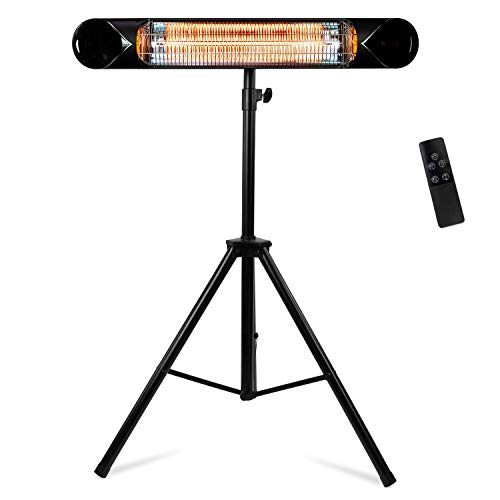
The Briza model is a versatile electric infrared heater that ships with hardware for wall and ceiling mounting and includes an adjustable tripod stand for freestanding use. It operates at 1500W and is controlled with a remote for on/off, timer, and heat level adjustments.
Safety functionality includes a built-in tip-over sensor that automatically shuts off the unit if tipped, reducing fire hazard risk. The design suits patios, garages, or enclosed porches where a mounted or portable electric heater is preferred, and where immediate, odorless warmth is desirable.
SereneLife Infrared Patio Heater 1500W

The SereneLife patio heater uses carbon fiber heating elements at 1500W to provide quick, sun-like infrared warmth. It is IP65 approved, indicating a higher level of waterproof protection than IP55, and comes with a portable stand and remote control. Safety features include a 360° tip-over switch, overheat protection, and a safety mesh guard.
Call 888-896-7031 for Free Local HVAC Quotes – Compare and Save Today!
Its energy efficient design focuses heat directly to people rather than heating large volumes of air, useful for partially enclosed patios and gazebos. The height-adjustable stand allows targeting warmth to seating areas, and the included protections aim to support safe family and commercial use around pets and children.
Dr Infrared DR-338 Carbon Infrared Patio Heater

The DR-338 is an IP55 rated heater suitable for indoor and outdoor environments, offering three heat settings (900W, 1200W, 1500W) and delivering odorless infrared warmth. It includes an adjustable aluminum tripod for portability and optional wall mounting hardware for fixed installation.
Designed with an extended cord (12.5 feet) for placement flexibility, the unit targets direct radiant heating and can work well in backyards, decks, and commercial outdoor seating. The multiple power settings allow users to balance warmth and energy consumption based on ambient conditions.
Buying Guide For Outdoor Stand Heaters
Power Source: Electric vs Propane
Electric Infrared/Carbon Heaters (plug-in) provide instant, odorless heat and are often safer for covered or semi-enclosed spaces since they produce no open flame or combustion byproducts. They require access to a dedicated outdoor-rated outlet and are limited by cord length or extension considerations.
Propane Tower Heaters offer higher BTU outputs and are suitable for larger, fully open outdoor spaces. They are independent of electrical outlets but require careful handling of fuel, proper ventilation, and clearance from flammable materials.
Heating Technology And Efficiency
Infrared And Carbon Elements heat objects and people directly, making them more efficient for outdoor use than convection heaters which warm air. Look for wattage options (e.g., 900–1500W) and multiple settings to modulate output and conserve energy.
BTU Ratings are critical for propane models; higher BTUs extend coverage but also consume more fuel. Match BTU output to the size of the area and whether the space is open or partially sheltered.
Weather Rating And Outdoor Durability
Check IP ratings: IP55 indicates protection from dust and water jets, suitable for many patio setups; IP65 offers stronger waterproofing for exposed areas. Choose an IP rating aligned with your exposure to rain, patio roof overhangs, and wind.
Mounting And Placement Options
Stand-capable heaters offer mobility and quick setup. Tripod/adjustable stands enable height control and easy positioning. Wall or ceiling mounts free floor space and are preferable for permanent installations. Ensure clearances per manufacturer guidance.
Safety Features
Essential safety elements include tip-over switches, overheat protection, and protective mesh guards. For propane units, confirm stable bases and anti-tilt designs. For electric units, confirm outdoor-rated cords and GFCI-protected outlets where needed.
Coverage Area And Placement Strategy
Estimate the area and seating arrangement. Infrared heaters perform best when aimed at seating zones; place units to minimize wind exposure which dissipates radiant heat. For larger open spaces, multiple lower-output heaters can be more comfortable and efficient than a single high-output source.
Noise, Maintenance, And Longevity
Electric heaters are generally quieter and require less maintenance. Propane units may need periodic burner and regulator checks, and protection from moisture when not in use. Consider availability of replacement elements or parts when evaluating brands.
Mobility And Installation Considerations
Check product weight, wheel kits, and cord length for portability. For mounted installations, verify wall/ceiling joist strength and wiring requirements. For propane, confirm tank accessibility and recommended clearances for safe operation.
Comparison Perspectives
- Best For Covered Patios: Electric infrared or carbon heaters with IP55–IP65 rating and remote control provide controlled warmth without combustion.
- Best For Open Areas: Propane tower heaters with high BTU output heat larger radii but require safe placement and ventilation.
- Best For Flexibility: Models that include both mounting hardware and tripod stands allow switching between permanent and portable use.
- Best For Energy Efficiency: Infrared carbon elements direct heat to people, reducing wasted energy in open-air settings.
When selecting an outdoor stand heater, balance power source, coverage needs, safety features, and weather resistance. Matching the heater type to your space and usage patterns will deliver more consistent comfort and safer operation.
Tips for Getting the Best HVAC Prices
- Prioritize Quality Over Cost
The most critical factor in any HVAC project is the quality of the installation. Don’t compromise on contractor expertise just to save money. - Check for Rebates
Always research current rebates and incentives — they can significantly reduce your overall cost. - Compare Multiple Quotes
Request at least three estimates before making your choice. You can click here to get three free quotes from local professionals. These quotes include available rebates and tax credits and automatically exclude unqualified contractors. - Negotiate Smartly
Once you've chosen a contractor, use the proven strategies from our guide — How Homeowners Can Negotiate with HVAC Dealers — to get the best possible final price.