
Quick Overview: This guide compares reliable crankcase heaters and compatible thermostats used to protect HVAC/R compressors from refrigerant migration, oil dilution, and cold-start damage. The table below summarizes the five selected Amazon products covered in detail.
| Product | Brand | Key Feature |
|---|---|---|
| Band-Style Crankcase Heaters for HVAC/R Compressors | BriskHeat | Flexible Band, Rapid Heat-Up, 240V |
| HTR03384 – Trane OEM Compressor Crankcase Heater | ClimaTek | OEM Replacement, 230V, Heavy Duty |
| Trane Service First OEM Crankcase Heater – HTR03384 | Trane | Unit Specific OEM Part, Replaces HTR-1298 |
| Heagstat H721 Non-Programmable Heat Pump Thermostat | Heagstat | 2 Heat / 1 Cool for heat pumps and single stage systems |
| Emerson 1E78-140 Non-Programmable Thermostat | Emerson | Simple Digital display, single-stage heat-only compatibility |
Content Navigation
BriskHeat Band-Style Crankcase Heater
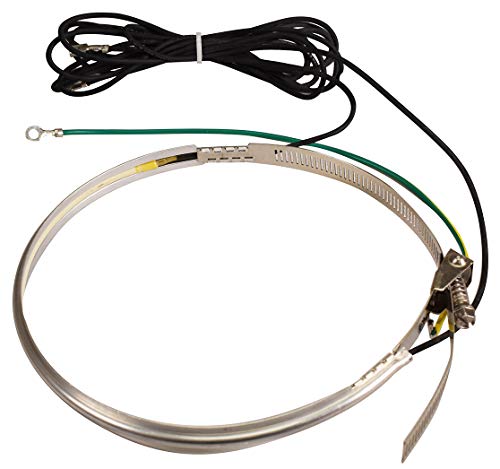
This band-style crankcase heater is a flexible wrap designed to fit compressor crankcases sized between 20.5 in and 27.1 in. The band-style form factor allows for straightforward installation on irregular surfaces and provides even heat distribution along the shell.
Listed features note that the heater is an OEM replacement style with rapid heat-up performance. The 240V rating and 21-inch lead length are important for matching site electrical characteristics and routing. Band heaters are often chosen for retrofit or field service where flange-mount or element-style heaters are not practical.
Use cases include preventing refrigerant migration and oil dilution during cold ambient operation. When matched to the compressor’s voltage and mounting requirements, this style provides efficient surface conduction heating and is commonly used across HVAC/R service applications.
HTR03384 Trane OEM Crankcase Heater
Call 888-896-7031 for Free Local HVAC Quotes – Compare and Save Today!
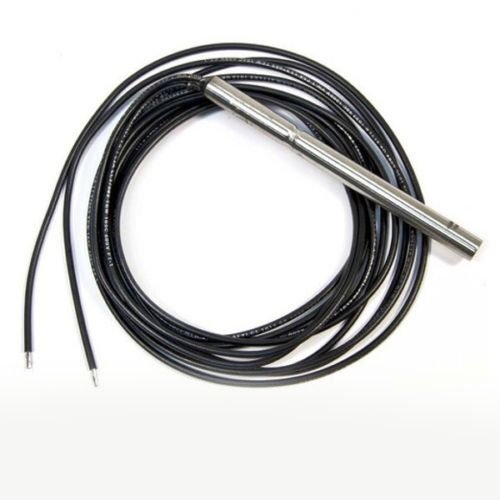
This item is marketed as a brand new heavy duty compressor crankcase heater and is specified at 230 Volt, 54 Watt. It is intended as an OEM-quality replacement component compatible with specific Trane/ClimaTek systems that require this model designation.
As an OEM-style heater, its construction aims to meet original equipment specifications for thermal output and reliability. The 54-watt output makes it suitable for maintaining crankcase temperatures above refrigerant saturation points in moderate cold conditions. Matching the heater to the compressor’s listed part number is critical to ensure fit and safe operation.
Technicians typically select OEM-designated heaters to maintain manufacturer compatibility and warranty alignment. The model’s rating and design are relevant for system-specific replacements and rigorous field conditions.
Trane Service First OEM Crankcase Heater

This Trane-branded product is promoted as an OEM crankcase heater intended to replace HTR-1298 and other unit-specific components. It is presented as a direct, unit-specific replacement used across various American Standard and Trane systems.
OEM designation indicates compatibility with Trane system mechanical and electrical interfaces. Features emphasize top-quality, unit-specific components rather than generic alternatives. For service technicians and installers, OEM part numbers help confirm correct mounting points, terminal connections, and wattage matching for the target compressor.
Call 888-896-7031 for Free Local HVAC Quotes – Compare and Save Today!
When installing, verify the compressor model and the heater’s electrical ratings. Proper matching mitigates the risk of under- or over-heating the crankcase and ensures consistent defrost and startup behavior under cold ambient conditions.
Heagstat H721 Heat Pump Thermostat

The Heagstat H721 is a non-programmable thermostat designed for heat pump systems or conventional single-stage systems with up to 2 heat/1 cool stages. It features a 4.5 square inch display and straightforward control layout for basic climate management.
Product features advise confirming system compatibility and the thermostat’s physical size to ensure it covers traces from old thermostat installations. The H721 supports both heat pump and single-stage conventional furnace control, making it useful in systems that include a compressor crankcase heater but require a simple room control interface.
For applications where crankcase heaters are present, pairing a proper compressor heater with a compatible thermostat ensures the overall system cycles and defrost operations are coordinated. The H721’s compatibility notes are relevant when integrating with existing wiring and controls.
Emerson 1E78-140 Single-Stage Thermostat

The Emerson 1E78-140 is a non-programmable, heat-only digital thermostat intended for single-stage heating systems. It includes an easy-to-read backlit display and a simple user interface aimed at basic control needs.
Listed features emphasize compatibility with single-stage heat-only systems and a clear digital readout. In scenarios where a system includes compressor crankcase heaters, a basic thermostat like this manages space temperature while the crankcase heater remains a protective component for the compressor itself.
Installers commonly choose the Emerson unit for reliable, uncomplicated control where advanced scheduling or multi-stage control is unnecessary. Confirm wiring compatibility and system type before installation.
Buying Guide: Choosing The Right Crankcase Heater And Thermostat
Selecting the appropriate crankcase heater or thermostat requires matching electrical, mechanical, and system control characteristics. The following considerations help evaluate options across multiple perspectives.
Heater Type And Form Factor
- Band Heaters: Flexible and easy to wrap around the compressor shell. Good for retrofit situations and uneven surfaces.
- Element Or Strip Heaters: Rigid elements designed to mount under compressor feet or in a specific bracket. Often OEM-specified.
- OEM-Specific Units: Designed for exact fit and electrical ratings on certain compressors; preferred for warranty and compatibility reasons.
Electrical Ratings And Matching
- Voltage: Confirm 120V vs 230V vs 240V matches the system supply. Using the wrong voltage can cause failure or safety hazards.
- Wattage: Heater wattage determines heat-up speed and steady-state temperature. Ensure wattage aligns with compressor size and expected ambient conditions.
- Lead Length And Termination: Check lead length and connector types to ensure proper routing and secure electrical connections.
Compatibility And Fit
- Unit-Specific Part Numbers: When available, match OEM part numbers (e.g., HTR03384, HTR-1298) to guarantee fit and mounting compatibility.
- Physical Dimensions: Verify heater diameter, band length, or bracket dimensions against the compressor shell and mounting locations.
- Compressor Model: Confirm compatibility with the compressor make and model listed by the manufacturer.
Operational Considerations
- Purpose: Crankcase heaters are primarily for preventing refrigerant migration and oil dilution during cold starts and idle periods. Choose heaters sized to maintain above-saturation temperatures in your climate.
- Control Logic: Decide whether the heater runs continuous while the system is off or is controlled by a thermostat or time-delay relay for energy savings.
- Installation Environment: Consider exposure to moisture, vibration, and corrosive conditions when selecting materials and mounting hardware.
Thermostat Selection And Integration
- System Type: Match the thermostat type (heat pump vs single-stage heat-only) to your equipment for proper cycling and defrost coordination.
- Control Complexity: Non-programmable thermostats provide simple setpoint control; programmable or smart thermostats allow schedules and energy management where needed.
- Wiring Compatibility: Ensure the thermostat can interface with HVAC controls, especially when systems include additional components like crankcase heaters, float switches, or UV lights.
Safety, Codes, And Best Practices
- Follow Manufacturer Instructions: Use wiring diagrams and torque specs from manufacturers. Incorrect installation risks equipment damage and safety incidents.
- Electrical Protection: Verify circuit protection (breakers/fuses) and ensure grounding per local electrical codes.
- Serviceability: Choose components that allow access for inspection and replacement without major disassembly.
Comparison Perspectives
- OEM vs Generic: OEM heaters (Trane/ClimaTek) match original specifications and mounting; generics and band heaters (BriskHeat) offer flexibility and rapid installation for varied compressors.
- Power vs Efficiency: Higher wattage speeds warm-up but uses more energy; lower wattage may suffice in milder climates but could allow refrigerant migration in extreme cold.
- Thermostat Simplicity vs Control: Basic non-programmable units (Emerson, Heagstat) simplify operation and reduce integration complexity; advanced thermostats offer energy savings and remote control but may require additional wiring.
When selecting components, cross-reference compressor model numbers, measure shell diameters, confirm line voltages, and consult manufacturer installation guidance. Proper matching across heater form factor, electrical rating, and control strategy ensures reliable compressor protection and system longevity.
Tips for Getting the Best HVAC Prices
- Prioritize Quality Over Cost
The most critical factor in any HVAC project is the quality of the installation. Don’t compromise on contractor expertise just to save money. - Check for Rebates
Always research current rebates and incentives — they can significantly reduce your overall cost. - Compare Multiple Quotes
Request at least three estimates before making your choice. You can click here to get three free quotes from local professionals. These quotes include available rebates and tax credits and automatically exclude unqualified contractors. - Negotiate Smartly
Once you've chosen a contractor, use the proven strategies from our guide — How Homeowners Can Negotiate with HVAC Dealers — to get the best possible final price.