
Choosing the right gas parlor heater means balancing room size, venting needs, BTU output, and safety features. The table below summarizes the five selected gas heaters suitable for parlors, sunrooms, and small living spaces drawn from reliable brands.
| Product | Type | Max BTU | Coverage |
|---|---|---|---|
| Mr Heater 30,000 BTU Vent Free Blue Flame (MHVFBF30NGT) | Vent-Free Blue Flame Wall Heater | 30,000 | Up To 1,000 Sq. Ft. |
| ProCom MN300TPA-B 30,000 BTU Infrared | Ventless Infrared Wall/Free-Standing | 30,000 | Up To 1,400 Sq. Ft. |
| ProCom MN300HBA-B 30,000 BTU Blue Flame | Ventless Blue Flame Manual | 30,000 | Up To 1,400 Sq. Ft. |
| ProCom MN100TBA-B 10,000 BTU Blue Flame | Ventless Blue Flame Compact | 10,000 | Up To 500 Sq. Ft. |
| Mr Heater 4,000–18,000 BTU Portable LP Unit | Portable Propane Heater | 18,000 (Max) | Up To 450 Sq. Ft. |
Content Navigation
- Mr Heater 30,000 BTU Vent Free Blue Flame Wall Heater
- ProCom MN300TPA-B 30,000 BTU Ventless Infrared Heater
- ProCom MN300HBA-B 30,000 BTU Ventless Blue Flame Heater
- ProCom MN100TBA-B 10,000 BTU Ventless Blue Flame Heater
- Mr Heater 4,000–18,000 BTU Portable Propane Heater
- Buying Guide: How To Choose A Gas Parlor Heater
Mr Heater 30,000 BTU Vent Free Blue Flame Wall Heater
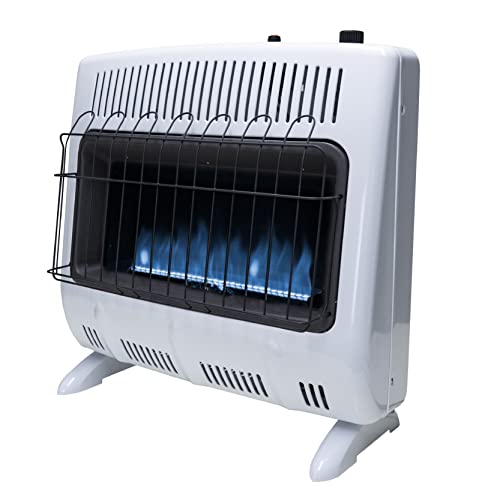
This vent-free blue flame heater delivers up to 30,000 BTU, designed to warm spaces up to about 1,000 square feet. It features a built-in thermostat for temperature control and an electric ignition with included battery. The unit emphasizes fuel-efficient blue flame convection heat that distributes warmth evenly without requiring a chimney or flue.
Key features listed by the manufacturer include precise thermostat control, suitability up to 4,500 feet altitude, and a compact wall-mount design for additions, parlors, or sunrooms. This heater uses natural gas and is presented as a solution where venting options are limited and steady convection heat is preferred.
ProCom MN300TPA-B 30,000 BTU Ventless Infrared Heater

The ProCom MN300TPA-B is a ventless infrared heater offering up to 30,000 BTU and a stated coverage up to 1,400 square feet. Infrared technology radiates heat to objects and people first, which can feel more immediate compared to convection-only units.
Call 888-896-7031 for Free Local HVAC Quotes – Compare and Save Today!
Manufacturer features include thermostat control with high/medium/low settings, a slim modern profile, and options to either wall-mount or stand the unit on included base feet. The product is positioned for residential rooms, offering a balance of radiant warmth and compact installation flexibility.
ProCom MN300HBA-B 30,000 BTU Ventless Blue Flame Heater

This model is a ventless blue flame space heater rated at 30,000 BTU for natural gas, intended for areas up to 1,400 square feet. It operates without electricity, using a piezo ignition for manual start and includes an oxygen depletion sensor (ODS) for automatic shutoff if ventilation drops too low.
Manufacturer features highlight three manual heat settings, base feet for floor placement, and a straightforward push-button ignition. The unit suits rooms where simple manual control and non-electric operation are preferred.
ProCom MN100TBA-B 10,000 BTU Ventless Blue Flame Heater

The ProCom MN100TBA-B is a compact 10,000 BTU blue flame heater designed for smaller parlors and rooms up to 500 square feet. It includes thermostat control with multiple settings and can be wall-mounted or placed on the floor using included base feet.
Call 888-896-7031 for Free Local HVAC Quotes – Compare and Save Today!
Manufacturer notes emphasize dependable thermostat control, stylish compact design, and suitability for bedrooms or home offices where moderate, efficient heating is desired. The lower BTU rating makes it a fit for smaller spaces or supplemental heat needs.
Mr Heater 4,000–18,000 BTU Portable Propane Heater
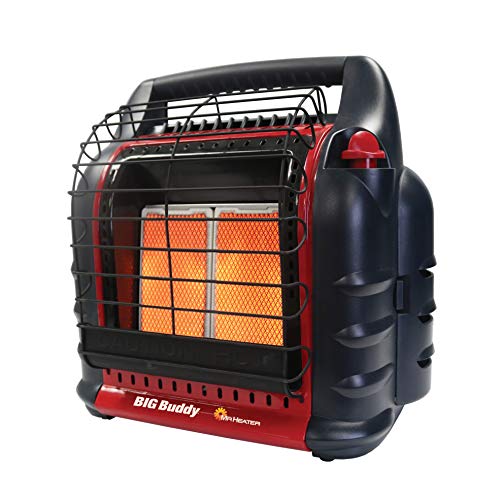
This portable propane heater provides adjustable output at 4,000, 9,000, or 18,000 BTU, with a manufacturer-stated heat range up to 450 square feet. It is designed for both indoor and outdoor use with automatic safety shutoff if tipped over and a piezo ignition for reliable starts.
Key product features include a single control start knob, compatibility with larger propane tanks via an additional hose, and three heat settings for variable warmth. The portable design is suited for temporary heating needs in parlors or adjacent areas where a mounted gas unit is not practical.
Buying Guide: How To Choose A Gas Parlor Heater
Selecting the right gas parlor heater requires careful consideration of room characteristics, installation constraints, fuel type, and safety marks. Below are key factors to compare and verify before purchase.
Room Size And BTU Output
- Match BTU To Room Size: Estimate square footage and choose a heater with appropriate BTU capacity. Smaller parlors (100–500 sq. ft.) typically need 5,000–15,000 BTU; medium rooms (500–1,400 sq. ft.) need higher output models up to 30,000 BTU.
- Ceiling Height Matters: Higher ceilings increase volume and heating needs; select models with higher output or supplemental circulation.
Venting Requirements
- Vent-Free (Ventless) Units: Provide easier installation and steady convection heat but require adequate room ventilation and adherence to local codes.
- Infrared vs. Blue Flame: Infrared (radiant) heaters warm objects and people directly; blue flame (convection) heaters warm air and distribute heat throughout the room.
- Local Codes: Check local building codes—some jurisdictions limit ventless gas heater installation in certain rooms.
Fuel Type And Availability
- Natural Gas vs. Propane: Choose based on what gas service is available. Some units are natural gas only; portable models often use propane.
- Conversions: If conversion kits are offered, confirm manufacturer guidance and professional installation requirements.
Controls And Features
- Thermostat Control: Built-in thermostats allow better temperature regulation and energy efficiency.
- Ignition Type: Electric ignition provides automatic start; piezo/manual ignition allows operation without electricity.
- Mounting Options: Wall-mount, floor-mounted with base feet, or portable options affect placement flexibility.
Safety Systems
- Oxygen Depletion Sensor (ODS): Shuts the unit off if oxygen levels drop—critical for ventless appliances.
- Tip-Over Switch: Important for portable units to prevent operation if the heater falls.
- Clearance Requirements: Review minimum clearances from combustible materials and floor height recommendations.
Installation And Clearance
- Professional Installation: Hard-piped units and natural gas wall heaters often require licensed installer work and adherence to local code.
- Clearance And Location: Check manufacturer-specified clearances from walls, floors, and ceilings to ensure safe placement in a parlor.
Operating Cost And Efficiency
- Fuel Consumption: Higher BTU output increases fuel usage. Consider thermostat control to reduce runtime and save fuel.
- Heat Distribution: Infrared units can feel warmer at lower operating temperatures because they heat objects directly, which may reduce runtime.
Maintenance And Durability
- Service Access: Choose units with accessible controls and service points for routine maintenance.
- Warranty And Support: Review warranty terms and brand support options.
Comparison Perspectives
- Small Parlor Use: Compact blue flame units around 10,000 BTU or portable propane heaters with tip-over protection suit smaller parlors.
- Larger Parlors Or High Ceilings: Consider 30,000 BTU blue flame or infrared models for broader coverage and faster heat-up.
- Ventless vs. Radiant: Ventless blue flame provides consistent ambient heat; infrared radiates warmth to occupants and objects, often perceived as quicker warmth.
Before purchasing, confirm product specifications and installation requirements directly from the manufacturer and verify local code compliance for ventless gas appliances in living areas. Professional consultation is recommended for natural gas connections and fixed installations.
Tips for Getting the Best HVAC Prices
- Prioritize Quality Over Cost
The most critical factor in any HVAC project is the quality of the installation. Don’t compromise on contractor expertise just to save money. - Check for Rebates
Always research current rebates and incentives — they can significantly reduce your overall cost. - Compare Multiple Quotes
Request at least three estimates before making your choice. You can click here to get three free quotes from local professionals. These quotes include available rebates and tax credits and automatically exclude unqualified contractors. - Negotiate Smartly
Once you've chosen a contractor, use the proven strategies from our guide — How Homeowners Can Negotiate with HVAC Dealers — to get the best possible final price.