
Finding the right radiant heater for a barn depends on fuel type, coverage area, and installation. This guide compares top-rated radiant barn heaters suited for pole barns, workshops, garages, and larger outbuildings, with clear product summaries and a compact buying guide to help you choose.
| Product | Type | Fuel / Power | Coverage |
|---|---|---|---|
| Sunfire SF150 | Diesel/Kerosene Radiant | Diesel / Kerosene / #2 Fuel Oil | Up To 3,500 sq ft |
| Sunfire SF120 | Diesel/Kerosene Radiant | Diesel / Kerosene / #2 Fuel Oil | Up To 2,800 sq ft |
| DR Infrared DR-238 | Carbon Infrared Electric | 120V Electric (1500W Max) | Patios, Garages, Small Barn Areas |
| Gasland MHA18BN | Propane Radiant | Liquid Propane | Up To 450 sq ft |
| DR Infrared Portable Space Heater | Infrared Electric Space Heater | 120V Electric (1500W) | Indoor Barn Rooms, Small Work Areas |
Content Navigation
Sunfire SF150 Radiant Heater

Type: Diesel/Kerosene portable radiant heater designed for large spaces. Key Features: quiet operation, low odor combustion, 150,000 BTU output, 19-gallon tank with roughly 19 hours runtime at rated flow. The unit is built to heat vast interiors like pole barns or warehouses where air exchange is limited.
This model emphasizes radiant heat delivery that warms objects and people directly rather than heating all the air, reducing loss from ventilation. The large tank and efficient burn reduce refueling frequency. For barn installations, ensure proper ventilation and follow fuel handling and storage practices stated by the manufacturer.
Sunfire SF120 Radiant Heater

Type: Diesel/Kerosene portable radiant heater with a slightly lower output than the SF150. Key Features: up to 120,000 BTU, 14-gallon tank, roughly 16 hours runtime, quiet and low-odor operation, rated coverage up to approximately 2,800 sq ft.
Call 888-896-7031 for Free Local HVAC Quotes – Compare and Save Today!
The SF120 is suitable for medium to large barns and workshops where continuous, odor-minimized radiant heat is preferred. Like other fuel-burning units, it delivers direct heat to surfaces and occupants, which can be more efficient in spaces with open doors or drafts compared to forced-air heaters.
DR Infrared Heater DR-238 Carbon Infrared Outdoor Heater
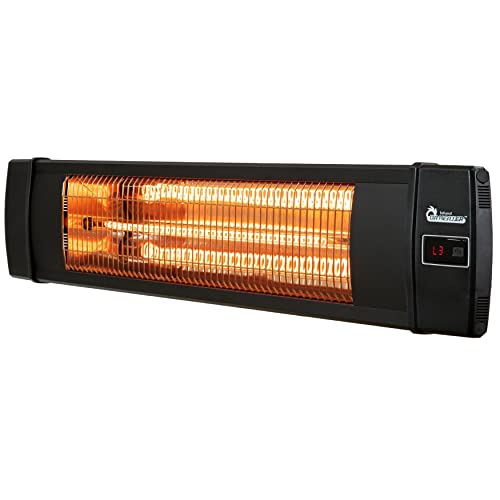
Type: Electric carbon infrared heater rated for indoor and outdoor use with IP55 protection. Key Features: three power settings (900W, 1200W, 1500W), plug-and-go 120V operation, remote control, clean and instant infrared heat, designed for patios, garages, decks and sheltered barn areas.
The DR-238 is a clean, odorless electric radiant option for barn owners seeking simple installation without fuel storage. It’s suitable for covered barn sections, entryways, tack rooms, and small work areas where 120V supply is available. Weather protection rating makes it acceptable for semi-exposed locations when mounted per instructions.
Gasland MHA18BN Propane Radiant Heater

Type: Propane-powered radiant cabinet heater delivering 18,000 BTU for smaller barn areas. Key Features: portable with wheels, built-in tip-over and low-oxygen shutoff, internal LP tank storage, silent operation without electrical dependency.
Call 888-896-7031 for Free Local HVAC Quotes – Compare and Save Today!
This propane radiant heater is practical for spot heating stalls, tack rooms, and isolated work areas where electricity may be limited or to avoid tripping breakers. Its safety features address common concerns in barn settings, but propane appliances require careful placement, ventilation considerations, and compliance with local codes.
DR Infrared Portable Space Heater, Original
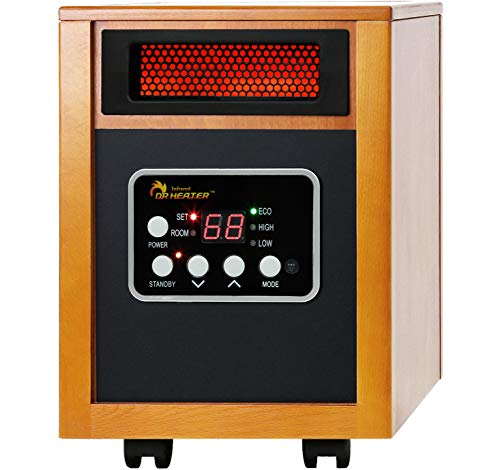
Type: Electric infrared space heater using dual heating systems (infrared quartz tube + PTC). Key Features: 1500W, 12-hour timer, remote control, automatic energy-saving mode, tip-over and overheat protection, rated coverage for large rooms with relatively quiet blower.
As an electric radiant option, this portable heater is suited for enclosed barn rooms, offices, or tack areas where a plug-in device is practical. It provides a mix of infrared radiant warming plus convective air movement, making it versatile for day-to-day barn use in smaller spaces.
Buying Guide: Choosing The Right Radiant Barn Heater
Selecting the appropriate radiant heater for a barn requires reviewing multiple factors beyond raw BTUs. The following considerations will help match a heater to your barn’s layout and usage.
Coverage And Heat Output
Match BTUs Or Wattage To Space: Large pole barns generally need high-output radiant units (industrial diesel or kerosene radiant) that deliver direct heat to occupants and equipment. Smaller rooms and enclosed stalls can use lower-output propane or electric radiant units. Consider effective coverage, not just peak BTUs.
Fuel Type And Availability
- Diesel/Kerosene: Best for large, open barns with no easy electric supply. Offers long runtimes and high heat output but requires safe fuel storage and ventilation.
- Propane: Good for medium-sized spaces and spot heating. Portable options eliminate electrical dependence but require cylinder management and ventilation.
- Electric (Infrared): Clean and instant heat without fuel odors. Ideal for enclosed, weather-protected barn areas with accessible power. Quieter and easier to install, but constrained by available electrical capacity.
Radiant vs Forced-Air Performance
Radiant Heaters Heat Objects First: Radiant models warm people, animals, and equipment directly, which is efficient when doors open or when air exchange is high. Forced-air heaters warm the air, which can be less efficient in drafty barns. Choose radiant for targeted, steady warmth.
Installation And Mounting
Mounting Options: Ceiling or wall-mounted radiant panels save floor space and distribute heat downward, whereas portable units enable repositioning for spot heating. Verify clearance, mounting hardware, and IP/weather ratings for exposed locations.
Ventilation And Safety
- Fuel-Burning Units: Ensure adequate barn ventilation and compliance with local code. Install carbon monoxide detection where applicable and follow manufacturer guidance on clearances and fuel handling.
- Electric Units: Check electrical circuit capacity and ensure proper weatherproofing for semi-outdoor mounting. Use tip-over and overheat protection where available.
Noise And Odor Considerations
Odor-Sensitive Environments: Electric infrared units are odorless and suited to areas near animals or stored feed. Diesel/kerosene radiant heaters often advertise low odor combustion but still require distance from livestock pens to prevent discomfort.
Runtime And Fuel Tank Size
For portable fuel heaters, tank capacity and burn rate determine refueling frequency. Larger tanks and efficient burn rates reduce maintenance intervals, which is important for weekend or overnight operation.
Durability And Weather Resistance
Choose IP-rated electric models for semi-exposed mounting and corrosion-resistant finishes for units installed in barns subject to moisture or dust. Industrial diesel units are generally built for jobsite durability but still benefit from sheltered placement.
Maintenance And Service Access
Regular maintenance includes cleaning reflectors and checking ignition systems for fuel heaters, and ensuring electrical connections and fans are free of debris for electric units. Consider local service availability for larger industrial units.
Multiple Comparison Perspectives
- Cost Efficiency: Diesel/kerosene units typically provide the most BTU per fuel gallon for large spaces, while electric units have higher operating costs per heat unit but lower installation complexity.
- Safety & Indoor Use: Electric infrared heaters minimize combustion risks inside barns; propane and diesel require more attention to ventilation, fuel storage, and safety sensors.
- Mobility & Installation: Portable fuel units are easy to move between locations. Hardwired electric units may offer better permanence and weather resistance when mounted properly.
Use the product summaries above and the buying guide criteria to determine which radiant solution best meets the size, fuel access, and safety needs of your barn or workshop.
Tips for Getting the Best HVAC Prices
- Prioritize Quality Over Cost
The most critical factor in any HVAC project is the quality of the installation. Don’t compromise on contractor expertise just to save money. - Check for Rebates
Always research current rebates and incentives — they can significantly reduce your overall cost. - Compare Multiple Quotes
Request at least three estimates before making your choice. You can click here to get three free quotes from local professionals. These quotes include available rebates and tax credits and automatically exclude unqualified contractors. - Negotiate Smartly
Once you've chosen a contractor, use the proven strategies from our guide — How Homeowners Can Negotiate with HVAC Dealers — to get the best possible final price.