
Finding a torpedo heater that can run on waste oil or filtered diesel requires matching fuel compatibility, build quality, and safety features. Below is a concise comparison table of the five selected products covered in this guide, followed by focused product sections and a detailed buying guide to help choose the right unit.
| Product | Brand | Key Feature |
|---|---|---|
| WVO Designs Waste Oil Centrifuge | WVO Designs | Processes up to 25 gal/hour; cleans vegetable & used oils |
| Mr. Heater 80,000 BTU Forced Air Kerosene Heater | Mr. Heater | Multi-fuel compatibility including filtered diesel; built-in thermostat |
| Towallmark 125,000 BTU Forced Air Diesel Heater | Towallmark | High output; supports diesel, kerosene, heating oil |
| PioneerWorks 80,000 BTU Forced Air Diesel Heater | PioneerWorks | Portable; multiple fuel options and long run time |
| L.B. White Tradesman K175 175,000 BTU | Tradesman K175 | High capacity, thermostatic control, spark ignition for jobsite use |
Content Navigation
WVO Designs Waste Oil Centrifuge
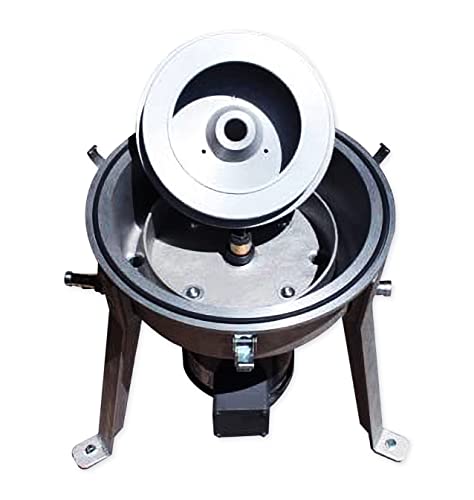
Purpose: This unit is a preparatory system rather than a torpedo heater. It is designed to clean waste vegetable oil, motor oil, hydraulic fluid, and machining fluids so they meet fuel-quality standards for use in furnaces or diesel engines.
Key Capabilities: The centrifuge processes up to 25 gallons per hour, extracts both dirt and water contaminants, and produces cleaner oil for secondary heating applications. It supports a range of waste oils, making it useful when sourcing fuel for a waste-oil-fired torpedo heater.
Considerations: Use of cleaned oil in a torpedo heater requires confirming the heater manufacturer’s fuel compatibility and filtration recommendations. The centrifuge is a pre-treatment option that helps reduce clogging and combustion issues associated with raw waste oils.
Mr. Heater 80,000 BTU Forced Air Kerosene Heater

Call 888-896-7031 for Free Local HVAC Quotes – Compare and Save Today!
Fuel Compatibility: Described as a multi-fuel forced air heater compatible with kerosene, filtered diesel (1 and 2), fuel oil, and jet A fuels. Compatibility with filtered diesel makes it a candidate for use with processed waste oil if properly filtered and treated.
Performance & Controls: Rated at 80,000 BTU, suitable for spaces up to roughly 2,000 sq ft depending on insulation and ventilation. Includes a built-in thermostat and LED troubleshooting diagnostics for operation monitoring.
Practical Notes: When using cleaned waste oil or filtered diesel, follow the manufacturer’s fuel and maintenance guidance. Proper filtration and removal of water are critical to avoid nozzle clogging and combustion residues.
Towallmark 125,000 BTU Forced Air Diesel Heater
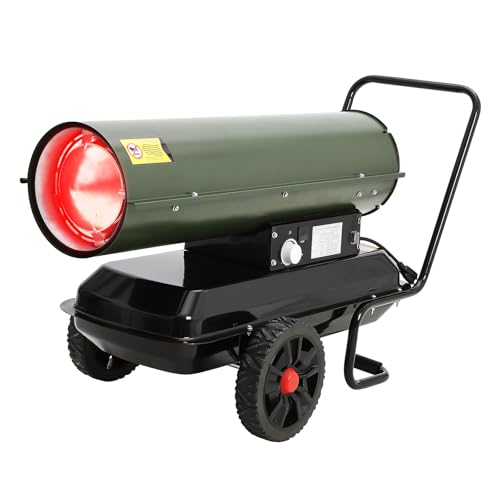
Heat Output: Provides up to 125,000 BTU, intended for larger areas up to about 3,125 sq ft under ideal conditions. The unit offers high output for jobsite or large garage heating requirements.
Fuel Options & Run Time: Supports kerosene, diesel, home heating oil, and jet fuel (note: gasoline is specifically prohibited). Fuel tank capacity and the claimed run time of up to 8 hours depend on BTU setting and fuel quality.
Call 888-896-7031 for Free Local HVAC Quotes – Compare and Save Today!
Relevance To Waste Oil Use: If using waste-derived diesel or filtered oil, ensure fuel meets viscosity and cleanliness levels required by the heater. High-BTU units are sensitive to incomplete combustion when fuel quality fluctuates.
PioneerWorks 80,000 BTU Forced Air Diesel Heater
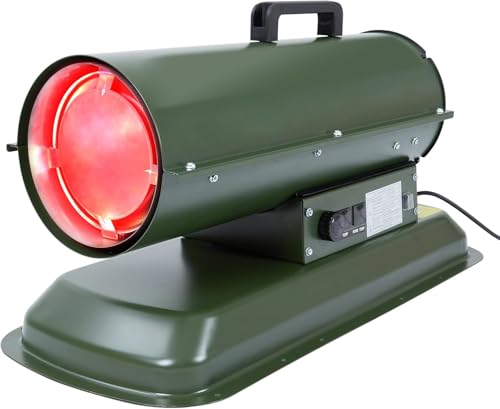
Multiple Fuel Options: Designed to operate on kerosene, diesel, home heating oil, and jet fuel. The product notes warnings against gasoline use and emphasizes fuel compatibility.
Runtime & Portability: Fuel tank holds about 4.76 gallons allowing long run times up to 9.5 hours in specific conditions. At 80,000 BTU it suits medium-sized spaces and offers portability for jobsite tasks.
Using Waste Oil: Filtered or refined waste oil products compatible with diesel specifications can be used when they meet viscosity and cleanliness standards. Adequate pre-filtration lowers nozzle wear and soot buildup.
L.B. White Tradesman K175 175,000 BTU

High Capacity & Controls: The Tradesman K175 offers up to 175,000 BTU and includes thermostatic control and spark ignition for reliable starts. Built for heavy construction and extended use.
Durability & Components: The design emphasizes heavy-duty components and consistent performance in demanding environments. This unit is sized for large workspaces and applications that need robust, continuous heat.
Waste Oil Suitability: While primarily specified for kerosene and fuel oils, cleaned and properly filtered waste oil derivatives that meet fuel specs may be compatible. Verify compatibility and maintenance needs when using alternative fuels to reduce wear and soot.
Buying Guide: Choosing A Waste Oil Torpedo Heater
The following factors determine suitability when selecting a torpedo heater for use with waste-derived fuels. Evaluate each area carefully to match your heating needs and fuel source.
Fuel Compatibility And Preparation
- Manufacturer Fuel Specs: Always confirm the heater’s approved fuel types. Some units accept filtered diesel and heating oil; others limit to kerosene or jet fuel.
- Oil Cleaning & Filtration: Waste oils often need pre-treatment. Devices like centrifuges or multi-stage filters remove water and particulates to prevent nozzle clogging and incomplete combustion.
- Viscosity & Additives: Waste oils should match viscosity ranges of the recommended fuel. Cold-weather operation may require thinning or preheating processed oil.
BTU Output And Space Size
- Match BTU To Space: Calculate required BTUs based on square footage, ceiling height, insulation, and desired temperature rise. Higher BTU units suit large, poorly insulated spaces.
- Adjustable Output: Thermostatic control or adjustable settings help maintain stable temperatures while optimizing fuel consumption.
Maintenance And Longevity
- Nozzle And Combustion Chamber Care: Waste oil increases soot and residue. Expect more frequent nozzle cleaning, filter replacements, and chimney or flue checks if applicable.
- Service Access: Choose units with accessible components and clear maintenance instructions to reduce downtime.
Safety Features And Ventilation
- Ventilation Requirements: Forced-air fuel-fired heaters require adequate ventilation to remove combustion byproducts and prevent carbon monoxide buildup. Avoid use in sealed indoor spaces without proper exhaust.
- Safety Controls: Look for flame sensor, overheat protection, and reliable ignition systems to minimize risks associated with alternative fuels.
Operational Practicalities
- Run Time And Tank Size: Consider runtime per fill, especially if continuous heat is required. Larger tanks reduce refueling frequency but increase weight and footprint.
- Portability: Weight, handles, and footprint affect how easily the unit can be moved around a jobsite or garage.
Regulatory And Environmental Considerations
- Local Regulations: Check local codes governing burning waste oil for space heating. Some jurisdictions restrict outdoor or indoor use without permits.
- Emissions And Air Quality: Waste oil combustion can produce more particulates. Proper cleanup, filtration, and combustion optimization reduce emissions.
Comparison Perspectives
- High Output Versus Fuel Flexibility: Large BTU models like the L.B. White K175 and Towallmark 125k suit big spaces but are more sensitive to fuel quality. Lower-BTU units such as 80k models are easier to manage with filtered waste fuel.
- Pre-Treatment Investment: Investing in oil cleaning (e.g., centrifuge systems) increases usable fuel reliability and reduces heater maintenance over time.
- Cost Of Ownership: Consider maintenance frequency, replacement parts (nozzles, filters), and labor for cleaning when evaluating total cost over the heater’s life.
Using waste oil safely with torpedo heaters is possible with adequate fuel preparation, adherence to manufacturer guidelines, and attention to ventilation and maintenance. Matching the heater’s fuel requirements, BTU output, and safety features to your specific application will provide the best performance and risk mitigation.
Tips for Getting the Best HVAC Prices
- Prioritize Quality Over Cost
The most critical factor in any HVAC project is the quality of the installation. Don’t compromise on contractor expertise just to save money. - Check for Rebates
Always research current rebates and incentives — they can significantly reduce your overall cost. - Compare Multiple Quotes
Request at least three estimates before making your choice. You can click here to get three free quotes from local professionals. These quotes include available rebates and tax credits and automatically exclude unqualified contractors. - Negotiate Smartly
Once you've chosen a contractor, use the proven strategies from our guide — How Homeowners Can Negotiate with HVAC Dealers — to get the best possible final price.