
Engine block heaters improve cold-weather starting, reduce engine wear, and help vehicles reach ideal operating temperature faster. This guide compares five top block heaters including in-block, coolant, and magnetic styles to match different engines and installation preferences.
| Product | Type | Power/Notes |
|---|---|---|
| Zerostart 3500043 | In-Block | 120V, 1000W, 3/4″ NPT |
| Zerostart 3100057 | In-Block | 120V, 600W, 1-5/8″ Dia |
| HOTSTART TPS151GT10 | Coolant Pre-Heater | Thermosiphon, No Pump, For 5.7–8.2L |
| GELUOXI Magnetic Heater 1155 | Magnetic/Frost Plug | 120V, 200W, 1153/1155 Fit |
| Fexhull 1160X Magnetic Heater | Magnetic Pad | 120V, 400W, Thermostat |
Content Navigation
Zerostart 3500043 Engine Block Heater

This Zerostart model is an in-block heater designed for a wide range of makes including Ford, Nissan, Caterpillar, and diesel brands. The heater uses a 3/4″ NPT thread for installation and is CSA approved for 120V operation at 1000 watts.
High wattage supports faster warm-up of engine coolant and oil, which can reduce cold-start wear on internal components. The product listing highlights compatibility across passenger and heavy-duty vehicles; users should confirm fit using the Zerostart catalog for specific applications.
Installation requires access to a compatible threaded port; proper sealing and correct torque are needed to prevent leaks. The unit’s power rating suits larger gasoline and diesel engines that benefit from more heating capacity.
Zerostart 3100057 Engine Block Heater
Call 888-896-7031 for Free Local HVAC Quotes – Compare and Save Today!
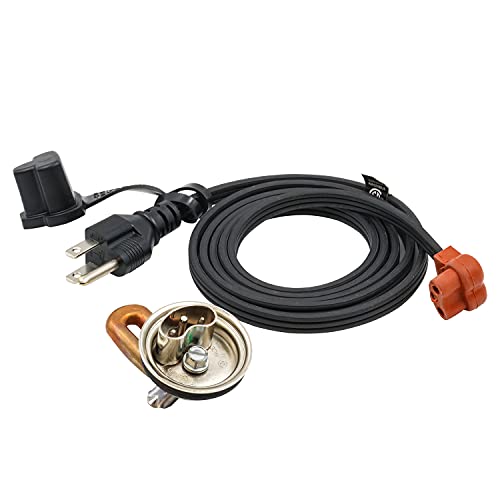
This Zerostart in-block heater fits many domestic brands including Buick, Cadillac, Chevrolet, Ford, Jeep, and Oldsmobile. It has a 1-5/8-inch diameter heating element, operates at 120V and 600 watts, and is CSA approved.
The moderate wattage balances power and energy use, making it suitable for mid-size engines and winter climates where extreme preheating is not required. The manufacturer advises checking the Zerostart catalog to verify specific vehicle applications.
Because it is an in-block design, installation replaces a freeze plug or inserts into a designated port. Proper fit and correct sealing remain critical to avoid coolant leaks and ensure consistent thermal transfer to engine metal and coolant.
HOTSTART TPS151GT10-000 Coolant Pre-Heater
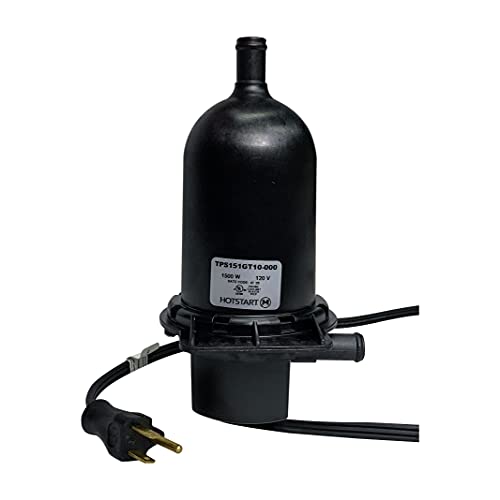
The HOTSTART TPS151GT10 is a coolant pre-heater designed for diesel and gasoline engines, construction equipment, trucks, marine, and industrial applications. It heats engine coolant and uses the thermosiphon principle, so no external pump is required.
Specified for engines with 350–500 CID (5.7–8.2 L) displacement, this unit warms coolant to reduce cold-start strain on large-displacement engines. The listing highlights multi-application versatility for heavy equipment and commercial vehicles.
Call 888-896-7031 for Free Local HVAC Quotes – Compare and Save Today!
Coolant heaters circulate heat through the engine’s cooling passages, offering uniform warm-up and lower localized thermal gradients compared to some in-block placements. Installation typically involves plumbing into coolant lines or a dedicated heater housing.
GELUOXI Magnetic Engine Block Heater 1155

This magnetic frost plug-style heater is rated at 120V and 200 watts and lists compatibility with part numbers 1153, 1155, and 1155X. It is marketed for tractors, trucks, and cars where the heater can be inserted into an existing frost plug opening.
Magnetic and frost plug heaters are simpler to install than some custom in-block elements, but require matching the correct plug size and port. The lower wattage is suitable for smaller engines or as a supplemental heater in milder cold conditions.
The product description emphasizes improved oil flow and lubrication at startup, reduced engine wear, and better fuel economy due to a warmer engine at ignition. Users should verify port compatibility and ensure correct electrical connection and sealing during installation.
Fexhull 1160X Upgraded Magnetic Engine Block Heater

The Fexhull 1160X is an upgraded magnetic heater rated at 120V and 400W. It features a magnetic base for attachment to metal surfaces and an integrated thermostat that cuts power at 130°C and resumes below 60°C for safety.
This unit targets a wide range of vehicles and equipment including tractors, snowmobiles, generators, and oil pans. The magnetic design removes the need for mechanical installation into a threaded port, enabling flexible placement on compatible metal surfaces.
Integrated thermostat control reduces risk of overheating and can improve energy efficiency by cycling heat only when required. Users should assess magnetic adhesion, surface contact area, and electrical routing for safe operation in their intended application.
Buying Guide: Choosing The Right Engine Block Heater
Selecting the best block heater depends on vehicle type, engine displacement, installation access, and winter conditions. Below are key factors and comparison perspectives to guide purchasing decisions.
Heater Type
- In-Block Heaters (freeze plug or threaded): Provide direct heating to engine block and coolant passages. Best for consistent, efficient warm-up and higher wattage needs. Require access to a compatible port and proper sealing.
- Coolant/Inline Heaters: Heat the engine coolant and distribute warmth via coolant flow. Good for large-displacement and commercial engines. Installation may require plumbing into radiator or heater circuit.
- Magnetic/Pad Heaters: Attach to an external metal surface with magnets or thermal adhesive. Offer easy installation and portability but rely on surface contact for heat transfer and often have lower wattage.
Power And Engine Size
- Higher wattage (600–1000W) yields faster warm-up and suits larger gasoline and diesel engines.
- Lower wattage (150–400W) is often adequate for small to mid-size engines or as auxiliary heating in moderate climates.
- Consider typical ambient temperatures and desired preheat time when choosing wattage.
Compatibility And Fit
- For in-block heaters, confirm thread size, diameter, or OE part number compatibility with your engine.
- Use manufacturer catalogs or vehicle fit tools to verify fit for specific makes and model years.
- For magnetic or pad heaters, ensure sufficient flat metal surface area and that the magnet or strap can securely hold the unit through vibration and weather cycles.
Installation Considerations
- In-block and frost plug heaters typically require mechanical removal of a freeze plug or use of an existing threaded port. Professional installation ensures torque and sealing specifications are met.
- Coolant heaters may need hose routing and clamps; ensure compatibility with coolant type and system pressure.
- Magnetic heaters offer plug-and-play setups but verify cable routing, environmental exposure, and secure attachment points.
Safety And Certification
- Look for certifications such as CSA approval for electrical safety in 120V products.
- Integrated thermostats and over-temperature protection enhance safety and prevent damage from dry operation.
- Ensure wiring and plug types match local standards and use GFCI-protected outlets where required.
Durability And Materials
- Stainless steel or corrosion-resistant housings increase longevity in coolant-exposed applications.
- For magnetic heaters, robust magnet design and water-resistant housings are important in outdoor environments.
- Check manufacturer warranties and replacement part availability for long-term support.
Energy Use And Operation Strategy
- Consider using timers or smart plugs to preheat engine only when needed to reduce electricity use.
- For daily starts in very cold climates, higher wattage may be justified; in milder climates, lower wattage and shorter preheat cycles conserve energy.
Comparison Perspectives
- Performance: In-block and coolant units typically provide more uniform and faster warm-up than external magnetic pads.
- Ease Of Installation: Magnetic and plug-in frost plug options are easier for DIY; coolant and in-block installations may require tools or professional service.
- Versatility: Coolant heaters and magnetic pads can serve multiple equipment types; in-block heaters are engine-specific but often more efficient for a given vehicle.
- Maintenance: Inline coolant heaters can require hose inspection; in-block heaters should be checked for leaks periodically; magnetic units need surface and cable checks for secure contact.
Use this guide to match heater type, power, and installation approach to your vehicle and climate needs. Confirm vehicle compatibility using manufacturer catalogs or part references before purchase and plan for safe, code-compliant electrical hookup.
Tips for Getting the Best HVAC Prices
- Prioritize Quality Over Cost
The most critical factor in any HVAC project is the quality of the installation. Don’t compromise on contractor expertise just to save money. - Check for Rebates
Always research current rebates and incentives — they can significantly reduce your overall cost. - Compare Multiple Quotes
Request at least three estimates before making your choice. You can click here to get three free quotes from local professionals. These quotes include available rebates and tax credits and automatically exclude unqualified contractors. - Negotiate Smartly
Once you've chosen a contractor, use the proven strategies from our guide — How Homeowners Can Negotiate with HVAC Dealers — to get the best possible final price.