
Choosing the right propane barrel heater depends on heating capacity, safety features, portability, and fuel hookup. The table below summarizes top options selected for shop, garage, and job-site heating needs.
| Product | Type | BTU Range | Best For |
|---|---|---|---|
| Mr. Heater 125,000 BTU Forced Air Propane Heater F271390 | Forced Air Barrel | 125,000 BTU | Large Workshop / Job Site |
| DEWALT 68,000 BTU Battery Start Propane Heater | Barrel / Cordless Start | 68,000 BTU | Medium Shops, Portable Use |
| DEWALT DXH125FAV Forced Air Propane Heater | Forced Air Barrel | 125,000 BTU | High Output Job Sites |
| Mr. Heater 4,000–18,000 BTU Portable LP Heater | Radiant / Portable | 4,000–18,000 BTU | Small Shops, Garages, Porches |
| Avenger FBDTP30 Tank Top Infra-Red Heater | Tank-Top Infrared | 30,000 BTU | Outdoor Patio, Camping, Directional Heat |
Content Navigation
- Mr. Heater 125,000 BTU Forced Air Propane Heater
- DeWalt 68,000 BTU Battery Start Portable Propane Heater
- DeWalt DXH125FAV Forced Air Propane Heater
- Mr. Heater 4,000–18,000 BTU Portable LP Heater
- Avenger FBDTP30 Infra-Red Tank Top Outdoor Heater
- Buying Guide: How To Choose A Propane Barrel Heater
- BTU Output And Space Size
- Forced-Air Versus Radiant Infrared
- Safety Features To Prioritize
- Fuel Connection, Hose Length, And Tank Placement
- Noise Level And Workspace Impact
- Portability And Mounting Options
- Ignition Type And Power Requirements
- Durability And Intended Use
- Ventilation And Indoor Use Considerations
- Maintenance And Parts Availability
- Comparison Perspectives
Mr. Heater 125,000 BTU Forced Air Propane Heater

This forced air barrel heater delivers high output for larger spaces such as warehouses, garages, and construction sites. It features Quiet Burner Technology for reduced noise and includes a 10-foot hose and regulator for propane hookup. A high-temperature limit switch provides thermal protection by shutting the unit down if internal temperatures exceed safe levels.
- Designed As A Forced-Air Unit For Rapid Heat Distribution Across Large Spaces.
- Quiet Burner Technology Lowers Operational Noise Compared To Standard Models.
- Includes Hose and Regulator For Connection To Standard Propane Tanks.
- Safety Cutoff Via High-Temperature Limit Switch Helps Prevent Overheating.
Installation and anchoring considerations are important due to its output. Use in well-ventilated or semi-open environments consistent with manufacturer guidelines for indoor use and ventilation.
DeWalt 68,000 BTU Battery Start Portable Propane Heater

This DeWalt unit targets mid-sized work areas where portability and quieter operation are priorities. It integrates battery start capability for cordless ignition, and a quiet barrel forced air design to reduce noise by up to 50% compared to standard forced-air heaters.
Call 888-896-7031 for Free Local HVAC Quotes – Compare and Save Today!
- Effective For Garages, Small Workshops, And Covered Work Areas.
- Noise Reduction Technology Helps Maintain A Lower Decibel Work Environment.
- Constructed With Durable Industrial Housing And CSA Certification For Safety.
- Battery Start Offers Convenience Where Electrical Outlets Are Limited.
This model balances output and portability. Consider battery management and mounting options when planning deployment on a job site or in a workshop.
DeWalt DXH125FAV Forced Air Propane Heater

The DXH125FAV is another high-output forced-air barrel option with features aimed at job sites and large garages. It includes Quiet Burner Technology, a high-temperature limit switch, and a 20-foot hose and regulator for flexible propane placement.
- High BTU Output Suitable For Rapidly Warming Large, Open Areas.
- Long Hose Included For Flexible Propane Tank Positioning Away From Exhaust.
- Safety Features Reduce Risk Of Overheating During Extended Use.
- Industrial Build Quality Intended For Regular Job-Site Use.
Consider airflow patterns and exhaust routing when positioning this heater. Forced-air barrel heaters move significant air and require safe clearances from combustible materials.
Mr. Heater 4,000–18,000 BTU Portable LP Heater
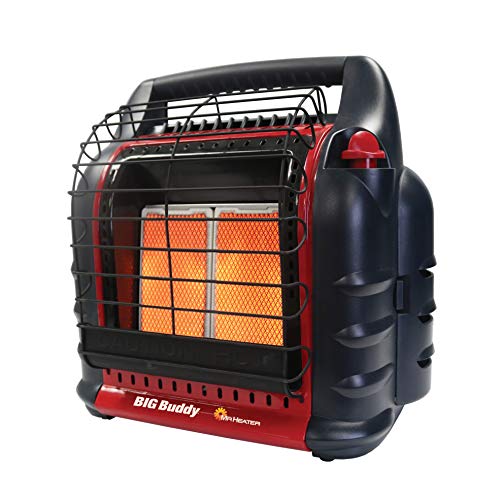
This compact Mr. Heater model provides variable output with settings at 4,000, 9,000, and 18,000 BTU, making it adaptable to smaller garages, porches, or workstations. It uses a single control knob with a piezo igniter and features automatic safety shutoff if tipped.
Call 888-896-7031 for Free Local HVAC Quotes – Compare and Save Today!
- Versatile BTU Settings Allow Tailoring Heat To Space Size And Fuel Economy.
- Can Be Used With Larger Propane Tanks Via An Optional Hose And Filter For Extended Run Times.
- Simple Piezo Ignition And Tip-Over Safety Help Reduce Operational Risk.
- Suited For Enclosed Small Spaces When Used With Proper Ventilation.
This heater is a practical choice when a barrel-style forced-air heater would be overkill. Use for point heating or as supplemental heat in workshops and garages where localized warmth is sufficient.
Avenger FBDTP30 Infra-Red Tank Top Outdoor Heater

The Avenger FBDTP30 is a tank-top infrared heater that fits directly on a propane cylinder. With 30,000 BTU and swivel burner heads, it provides directional heat for patios, camping, and outdoor work. It has three heat settings and safety features including an automatic shutoff valve and tip switch.
- Designed For Outdoor Use And Quick Hookup To Standard Propane Tanks.
- Directional Infrared Heat With Swiveling Burner Heads For Targeted Warmth.
- Multiple Heat Settings And Built-In Safety Valve For Flame Failure.
- Match-Light Ignition Requires No External Power.
While not a traditional barrel heater, this model is relevant where targeted, portable propane heating is needed outdoors or in well-ventilated covered areas.
Buying Guide: How To Choose A Propane Barrel Heater
Selecting the right propane barrel heater involves comparing BTU output, safety features, portability, fuel connections, and intended use environment. The sections below cover the key considerations.
BTU Output And Space Size
Estimate required heating capacity by square footage and insulation level. Barrel heaters range from under 10,000 BTU for small zones to over 125,000 BTU for large garages and job sites. Higher BTUs heat large areas faster but require more fuel and ventilation.
Forced-Air Versus Radiant Infrared
Forced-Air Barrel Heaters (barrel-style) move warm air quickly and are effective for whole-space heating. They are suited for open or well-ventilated buildings. Radiant Infrared heaters warm objects and people directly and are efficient for localized or outdoor heating.
Safety Features To Prioritize
- Tip-Over Switch: Automatically shuts fuel if the unit overturns.
- High-Temperature Limit Switch: Prevents overheating of internal components.
- CSA/UL Certification: Indicates third-party safety testing.
- Automatic Shutoff For Flame Failure: Critical For Tank-Top And Infrared Units.
Fuel Connection, Hose Length, And Tank Placement
Check whether the heater includes a hose and regulator, and verify hose length. Longer hoses let you place the propane tank safely away from the heater and work area. For extended run times consider compatibility with larger tanks and optional add-on hoses.
Noise Level And Workspace Impact
Noise can matter on busy job sites or small shops. Look for Quiet Burner or noise reduction claims when low ambient sound is important. Forced air models typically make more noise than radiant heaters.
Portability And Mounting Options
Consider weight, handles, wheel kits, or brackets. Barrel heaters often require secure placement and clearance from combustibles. Tank-top and small radiant units are easier to move but may need stable surfaces and proper ventilation.
Ignition Type And Power Requirements
Common ignition types include piezo (manual spark), battery-start, and match-light. Battery or electric start models add convenience where repeated restarts are anticipated. Match-light and piezo systems require no external power but may be less convenient.
Durability And Intended Use
Industrial-grade construction withstands job-site conditions. Look for metal housings, quality burner assemblies, and corrosion-resistant finishes for long-term outdoor or heavy-duty indoor use.
Ventilation And Indoor Use Considerations
Propane combustion produces combustion by-products. Ensure adequate ventilation and follow manufacturer guidance for indoor use. Some units are designed for indoor use with ventilation; others are for outdoor or well-ventilated areas only.
Maintenance And Parts Availability
Check the availability of replacement parts such as regulators, hoses, filters, and ignition components. Regular maintenance like cleaning air intakes, checking hoses for leaks, and replacing filters can extend life and ensure safe operation.
Comparison Perspectives
- Output vs. Efficiency: Higher BTU delivers faster heating but may be less fuel-efficient per hour; balance with runtime needs.
- Mobility vs. Power: Lighter, portable units suit spot heating; heavy forced-air units are better for whole-space heating.
- Noise vs. Coverage: Quieter heaters may have less airflow; match noise tolerance to heating needs.
- Indoor Safety vs. Outdoor Convenience: Confirm certification and recommended use location before relying on a unit indoors.
Use this guide to match the heater type to your space, prioritize safety features, and plan for fuel management and ventilation. Compare manufacturer specs and site conditions to select the best propane barrel heater for your needs.
Tips for Getting the Best HVAC Prices
- Prioritize Quality Over Cost
The most critical factor in any HVAC project is the quality of the installation. Don’t compromise on contractor expertise just to save money. - Check for Rebates
Always research current rebates and incentives — they can significantly reduce your overall cost. - Compare Multiple Quotes
Request at least three estimates before making your choice. You can click here to get three free quotes from local professionals. These quotes include available rebates and tax credits and automatically exclude unqualified contractors. - Negotiate Smartly
Once you've chosen a contractor, use the proven strategies from our guide — How Homeowners Can Negotiate with HVAC Dealers — to get the best possible final price.