
Quick Overview: This guide compares personal and styling devices that blow hot air and related air-moving products from the provided selection. Some items are hot-air styling tools, while others are cooling fans or neck coolers that primarily produce cold airflow. The table below summarizes the five products reviewed.
| Product | Type | Primary Function |
|---|---|---|
| TYMO 2.0 Hair Blow Dryer Brush | Hot-Air Styling Brush | Drying, volumizing, styling hair with hot air |
| Hot Tools Pro Artist Hot Air Styling Brush | Hot-Air Styling Brush | Styling, curling, touch-ups with heated airflow |
| Dreo Tower Fan for Bedroom | Standing Fan | Circulating cool air for rooms |
| KopBeau Personal Tower Cooling Fan | Tower Fan | Personal/room cooling with oscillation |
| Portable Neck Fans (wegte) | Wearable Fan | Personal cooling via bladeless airflow |
Content Navigation
TYMO 2.0 Hair Blow Dryer Brush

Type: Hot-Air Styling Brush. The TYMO 2.0 is designed to convert wet hair to styled, dried hair quickly using a motorized hot-air system.
Key Features: WET TO DRY capability for fast drying, an advanced motor claimed to deliver 3X faster drying, a compact 2″ barrel for volume and waves, and a gentle grip system with three bristle types to minimize pulling.
Performance Notes: This device combines heating elements and airflow to both dry and shape hair. It functions as a heated tool (a small heater element with directed airflow) rather than a room heater. Useful for users seeking a single-step drying and volumizing tool with portable styling performance.
Hot Tools Pro Artist Hot Air Styling Brush

Call 888-896-7031 for Free Local HVAC Quotes – Compare and Save Today!
Type: Hot-Air Styling Brush. A professional-oriented tool that blends heated airflow and a multi-vent barrel to style, curl, and detangle hair.
Key Features: Multi-vent barrel for even airflow distribution, ball-tipped flexible bristles for gentle combing, an integrated switch to release hair and avoid tangles, and dual heat/speed settings.
Performance Notes: As with other styling brushes, heat is localized to the barrel and combined with airflow to achieve shaping and drying. This tool is intended for hair styling rather than heating living spaces. It’s suitable for touch-ups and controlled hot-air styling where concentrated heat and airflow matter.
Dreo Tower Fan For Bedroom
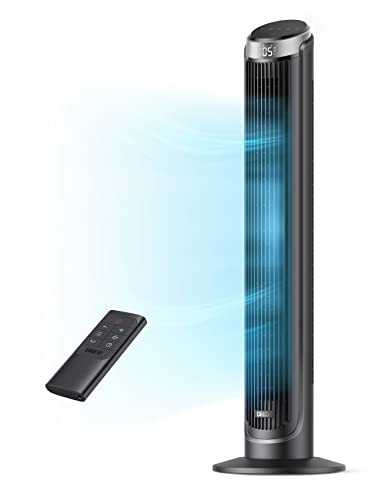
Type: Standing Tower Fan. The Dreo model is a bladeless-style oscillating fan designed for bedroom or office use.
Key Features: 90° oscillation, five speeds, multiple modes (Normal, Natural, Auto, Sleep), remote control and touch operation, compact footprint, ETL safety features, and low noise operation (listed at 28 dB for quiet modes).
Call 888-896-7031 for Free Local HVAC Quotes – Compare and Save Today!
Performance Notes: This device produces cool airflow for room circulation; it does not provide heating. For users searching for devices that move air, tower fans offer broad coverage and quiet operation. They contrast with hot-air styling tools by focusing on cooling and circulation rather than heating.
KopBeau Personal Tower Cooling Fan

Type: Small Tower/Desk Fan. Designed for personal cooling with selectable oscillation angles.
Key Features: Rapid airflow up to 27 ft/s, three speed settings, 60° and 110° oscillation modes, ultra-quiet operation, and a 12-hour timer. Marketed for bedrooms, offices, and dorms.
Performance Notes: This fan prioritizes airflow and adjustable oscillation to create a cooling environment. It is not a heater; it exemplifies products that move air without heating. For users comparing air-movement devices, tower fans offer efficient air distribution with quiet performance.
Portable Neck Fans That Blow Cold Air (wegte)

Type: Wearable Personal Fan. A bladeless neck fan providing localized cooling airflow around the neck and face.
Key Features: 360° airflow with a bladeless turbine motor, three speed settings, rechargeable 4000mAh battery, lightweight (~9.4 ounces), and low noise operation (≤40 dB).
Performance Notes: This neck fan is engineered to provide personal cooling, not hot air. It highlights the contrast between localized cooling devices and hot-air devices used for styling or space heating. Its portability and quiet operation suit outdoor or active use where airflow is desired without heat.
Buying Guide: Choosing The Right Device That Blows Hot Air
This section helps you distinguish between categories and evaluate products objectively when you want a device that blows hot air versus products that move cool air.
Understand Device Categories
- Hot-Air Styling Tools: Hair dryers, hot-air brushes, and styling brushes combine a heating element with airflow to dry and shape hair. They concentrate heat and airflow locally and are not designed to heat rooms.
- Space Heaters With Fans: (Not in the provided list) These devices include heating elements plus a fan to distribute warm air across a room. They’re explicitly designed to raise ambient temperature.
- Cooling Fans / Neck Coolers: Tower fans, bladeless fans, and neck coolers move air for convective cooling or provide direct-contact cooling plates. They typically blow cool or ambient-temperature air.
Key Specifications To Compare
- Intended Use: Determine whether you need concentrated hot air for hair styling or warm-air distribution for space heating. These are different technologies and product categories.
- Airflow And Heat Output: For styling tools, look at motor power, heat settings, and airflow speed to estimate drying speed and styling efficiency. For space heaters, check wattage and fan airflow (CFM) to assess room heating capability.
- Temperature Control: Hot-air styling tools should offer multiple heat/speed settings to prevent hair damage. Space heaters should have adjustable thermostats and safety cutoffs.
- Safety Features: Look for overheat protection, cool-touch housings, tip-over switches (for space heaters), and bladeless designs if hair entanglement is a concern.
- Portability & Power Source: Consider corded vs. rechargeable. Hair styling brushes are usually corded for consistent power; neck coolers are rechargeable for mobility.
- Noise Level: Measured in decibels (dB). Lower dB ratings matter for bedroom use or long styling sessions.
- Durability & Warranty: Check build quality, brands’ support policies, and included warranties for appliances that combine heating elements and motors.
Comparison Perspectives
- Performance vs. Purpose: A hot-air styling brush is optimized for hair manipulation and will not replace a room heater. Conversely, a tower fan moves air to cool a room and lacks heating elements.
- Energy Use: Heating elements consume more power than simple fans. For repeated space heating, compare wattage and expected runtime to anticipate energy usage.
- Localized vs. Whole-Room Effect: Styling tools provide intense, localized heat. Space heaters with fans and fan-forced heaters distribute warmth across a room; fans alone provide convection without added heat.
- Safety Considerations: For heated products, consider insulation, tip-over protection, and automatic shutoff. For personal wearables, consider skin contact temperature limits and manufacturer-stated cooling/heating ranges.
Practical Recommendations
- If Your Goal Is Hair Styling: Choose a dedicated hot-air styling brush or dryer with adjustable heat/speed settings and a reliable motor. Look for multi-vent barrels and bristle designs that reduce pulling and tangling.
- If Your Goal Is Room Heating: Select a space heater with a fan-forced design or ceramic heater that specifies wattage, thermostat control, and safety certifications. None of the reviewed products are space heaters.
- If You Want Personal Temperature Control Outdoors: Wearable neck coolers and bladeless neck fans provide localized cooling using airflow or cooling plates. They do not produce hot air.
- If You Want Air Movement Without Heat: Tower fans and personal oscillating fans provide circulation and cooling without heating elements; consider oscillation, speed settings, and noise levels.
Final Note: The devices reviewed here illustrate two primary functions: hot-air styling for hair and air-moving cooling for personal comfort or room circulation. Ensure you select the category that fits your intended use and verify key specs—heat settings and safety for heated tools, and airflow, oscillation, and noise for fans.
Tips for Getting the Best HVAC Prices
- Prioritize Quality Over Cost
The most critical factor in any HVAC project is the quality of the installation. Don’t compromise on contractor expertise just to save money. - Check for Rebates
Always research current rebates and incentives — they can significantly reduce your overall cost. - Compare Multiple Quotes
Request at least three estimates before making your choice. You can click here to get three free quotes from local professionals. These quotes include available rebates and tax credits and automatically exclude unqualified contractors. - Negotiate Smartly
Once you've chosen a contractor, use the proven strategies from our guide — How Homeowners Can Negotiate with HVAC Dealers — to get the best possible final price.