
Choosing the right denatured alcohol fuel matters for safe, efficient operation of alcohol heaters, marine stoves, tabletop fire pits, and portable ethanol burners. Below is a concise comparison table of five top fuels chosen for purity, burn characteristics, and intended heater compatibility.
| Product | Brand | Format | Best For |
|---|---|---|---|
| Klean-Strip QSL26 Denatured Alcohol | KLEAN-STRIP | 1-Quart | Marine Stoves & Alcohol Appliances |
| MAXTITE Denatured Alcohol 200-Proof | MAXTITE | 32 oz | High-Purity Fuel & Solvent Use |
| Triti Premium Bioethanol Fuel | TRITI | Liter (12-Pack Option) | Indoor Tabletop Fire Pits & Smokeless Flames |
| Sunnyside 83432 Denatured Alcohol | Sunnyside Corporation | Quart | Appliances Designed For Liquid Alcohol |
| Quality Chemical 200-Proof Denatured Alcohol | Quality Chemical | Gallon | High-Volume Fuel & Industrial Use |
Content Navigation
Klean-Strip QSL26 Denatured Alcohol

Klean-Strip QSL26 is marketed as a clean-burning fuel for alcohol appliances. The manufacturer notes it produces a hot, clean, odorless and smokeless flame, making it suitable for marine stoves and similar alcohol-burning devices. The product label includes regulatory warnings about exposure to methanol and other chemicals and mentions soot as a by-product.
Key Use Notes:
- Intended For: Marine stoves, alcohol-burning appliances designed for liquid alcohol.
- Burn Characteristics: Described as hot, clean, odorless, and smokeless when used appropriately.
- Safety Info: Contains denaturants that may include methanol; follow ventilation and handling guidance from the label and appliance manufacturer.
MAXTITE 200-Proof Denatured Alcohol
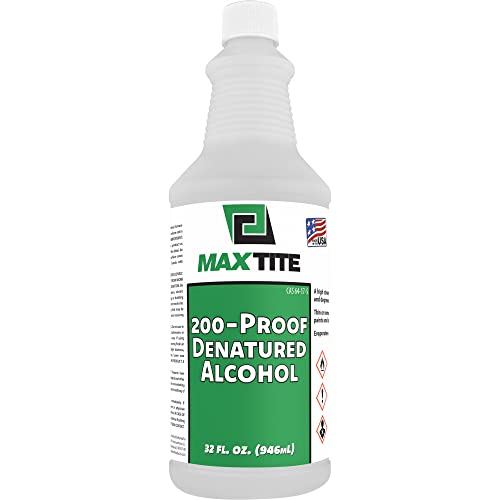
MAXTITE 200-proof denatured alcohol is positioned as a high-purity ethanol product denatured with isopropyl alcohol and methanol. The listing emphasizes use as a solvent, cleaner, thinner, and fuel. High ethanol content often offers predictable burn behavior in alcohol stoves and indoor burners.
Call 888-896-7031 for Free Local HVAC Quotes – Compare and Save Today!
Key Use Notes:
- Purity: 200-proof denatured ethanol indicates a very high ethanol concentration before denaturing agents are added.
- Versatility: Labeled for use as fuel and as a solvent/cleaner—suitable for appliances designed for denatured ethanol.
- Compatibility: Works with alcohol stoves and burners that specify denatured ethanol or similar fuels; follow appliance guidance for venting and container use.
Triti Premium Bioethanol Fireplace Fuel
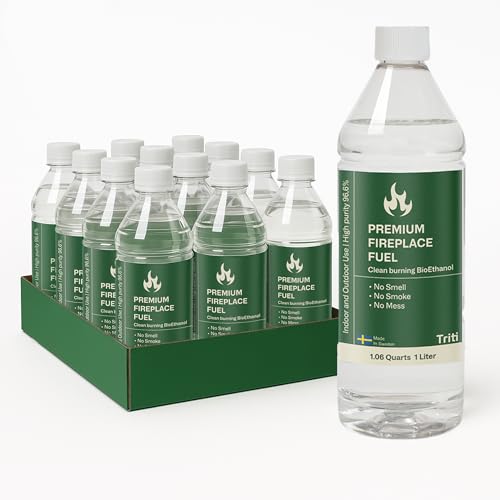
Triti Premium bioethanol fuel emphasizes clean, smokeless, and odorless burning with high ethanol concentration (approximately 96.6% bioethanol as stated). The product is positioned for tabletop fire pits, indoor fireplaces, and portable ethanol burners where soot and smell are primary concerns.
Key Use Notes:
- Indoor Use: Designed to be used in indoor-rated ethanol fireplace inserts and tabletop fire pits.
- Cleaner Burn: Marketed as producing virtually no soot and low odor, aligning with indoor heater expectations.
- Burn Time: Manufacturer highlights long-lasting burn and efficient heat output for compatible heaters and inserts.
Sunnyside 83432 Denatured Alcohol Quart
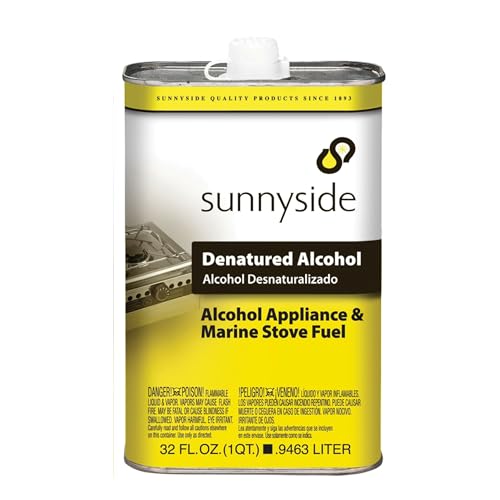
Sunnyside 83432 is described for use as a fuel in marine stoves and liquid alcohol appliances. The product information stresses that it is intended for appliances designed to burn liquid alcohol and is not for kerosene or oil burners.
Call 888-896-7031 for Free Local HVAC Quotes – Compare and Save Today!
Key Use Notes:
- Appliance Compatibility: Intended for stoves and heaters specifically rated for denatured alcohol.
- Label Guidance: Manufacturer notes intended use cases and warns against using in non-specified devices.
- Typical Users: Marine and camping equipment owners who require a liquid alcohol fuel option for compatible burners.
Quality Chemical 200-Proof Denatured Alcohol

Quality Chemical’s 200-proof denatured alcohol is presented as a high-grade, multipurpose solvent and fuel. The product emphasizes industrial and household versatility including fuel additive and cleaning applications, making it suitable for users needing bulk quantities.
Key Use Notes:
- Volume Option: Gallon packaging suits high-consumption scenarios or multiple devices.
- Applications: Marketed for cleaning, thinning, and fuel use where denatured ethanol is appropriate.
- Performance: High ethanol concentration supports consistent burn performance in compatible alcohol heaters and stoves.
Buying Guide: Choosing Denatured Alcohol For Heaters
When selecting a denatured alcohol for heaters, compare fuels on operational compatibility, burn characteristics, safety, and cost-effectiveness. The following guidance helps evaluate multiple perspectives important for safe and efficient heater use.
1. Appliance Compatibility
Confirm Manufacturer Recommendations: Always match the fuel type to the heater or stove manufacturer’s specifications. Some burners require bioethanol formulated for indoor use, while others accept general denatured alcohol.
Marine And Camping Stoves: Products explicitly labeled for marine stoves (e.g., Klean-Strip, Sunnyside) are typically denatured for use in such appliances.
2. Purity And Denaturants
Proof And Ethanol Content: Higher-proof listings (190–200 proof) indicate more ethanol content, which can correlate with cleaner burning and predictable flame behavior. However, denaturants (methanol, isopropyl, etc.) affect toxicity and odor.
Bioethanol Vs. Denatured Ethanol: Bioethanol fuels are often formulated for indoor fireplaces and advertise low soot and odor. Traditional denatured alcohol mixes may include stronger denaturants that increase toxicity and potential odor.
3. Burn Characteristics And Indoor Use
Smokeless And Odorless Claims: Look for products that state smokeless and odor-free burning if using indoors. Products formulated for tabletop fire pits and indoor fireplaces (e.g., Triti) emphasize these traits.
Soot Production: Manufacturers sometimes note soot as a possible by-product. Choose fuels and burners designed to minimize soot for indoor air quality.
4. Safety And Ventilation
Toxicity And Denaturants: Denatured alcohol often contains methanol or other chemicals that are toxic if ingested and can produce hazardous combustion by-products. Follow label warnings and local regulations.
Ventilation: Even smokeless fuels require ventilation. Ensure adequate airflow and never use fuels in enclosed, unventilated spaces unless appliances are rated for indoor use with appropriate ventilation.
5. Container Size And Storage
Volume Needs: Choose container size based on use frequency. Gallon containers suit heavy users or multiple appliances, while quart or liter sizes reduce storage risks for occasional use.
Storage Considerations: Store fuels in approved containers, away from heat sources and out of reach of children. Follow local codes for flammable liquid storage.
6. Performance And Heat Output
Heat Efficiency: While denatured alcohol provides relatively modest heat compared to propane or kerosene, higher ethanol content generally yields more consistent flame and heat for alcohol stoves and small heaters.
Burn Time: Some fuel brands emphasize longer burn times per volume; match expected runtime to heater capacity and reservoir size.
7. Regulatory And Environmental Points
Label Warnings: Pay attention to California Proposition 65 or similar regulatory warnings printed on product labels indicating potential carcinogens or reproductive hazards.
Environmental Considerations: Bioethanol from renewable sources may offer reduced lifecycle emissions compared with petrochemical-derived denaturants. Consider product sourcing if environmental impact is a priority.
8. Cost And Availability
Compare Unit Cost: Evaluate price per volume plus shipping and available pack sizes. Bulk purchases can lower unit cost but increase storage responsibility.
Local Availability: Some fuels are easier to find regionally; confirm that the selected fuel is permitted for indoor use in your area and available from trusted vendors.
9. Practical Use Tips
- Fill Levels: Do not overfill heater reservoirs—leave recommended headspace to avoid spillage and flare-ups.
- Refueling: Allow burners to cool fully before refilling to prevent ignition of spilled fuel.
- Fire Safety: Keep a suitable extinguisher on hand and use fuel only in devices with proper containment and heat shielding.
Comparing the highlighted products, choose higher-purity ethanol fuels for indoor, low-soot applications and manufacturer-recommended denatured alcohol for marine and stove use. Prioritize safety instructions and appliance compatibility to ensure reliable, safe heating performance.
Tips for Getting the Best HVAC Prices
- Prioritize Quality Over Cost
The most critical factor in any HVAC project is the quality of the installation. Don’t compromise on contractor expertise just to save money. - Check for Rebates
Always research current rebates and incentives — they can significantly reduce your overall cost. - Compare Multiple Quotes
Request at least three estimates before making your choice. You can click here to get three free quotes from local professionals. These quotes include available rebates and tax credits and automatically exclude unqualified contractors. - Negotiate Smartly
Once you've chosen a contractor, use the proven strategies from our guide — How Homeowners Can Negotiate with HVAC Dealers — to get the best possible final price.