
Choosing a forced air heater for home use requires weighing coverage, fuel type, safety features, and installation. The table below summarizes five top options selected for indoor and garage use, ranging from portable electric units to hardwired garage heaters and propane forced-air models.
| Product | Brand | Key Feature |
|---|---|---|
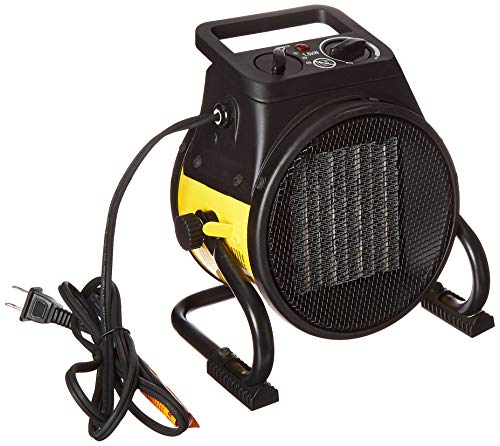 |
Dura Heat | Portable 1500W PTC forced air |
 |
Dura Heat | Hard-wired 5000W garage heater |
 |
Mr. Heater | 125,000 BTU forced air propane |
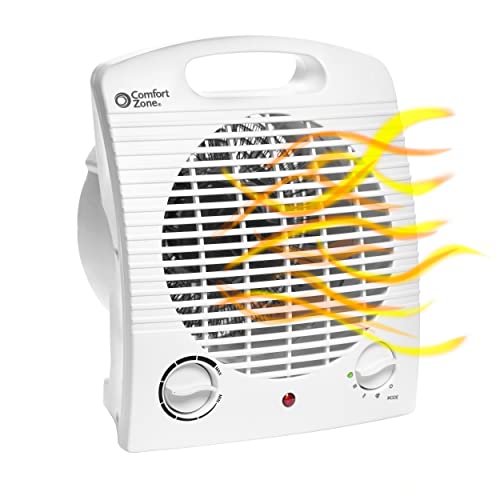 |
Comfort Zone | Portable 1500W fan-forced electric |
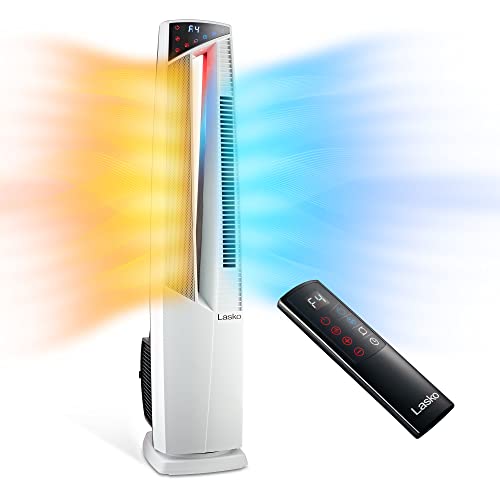 |
Lasko | Tower hybrid fan & ceramic heater |
Content Navigation
- Dura Heat EUH1465 Electric Forced Air Heater With Pivoting Base
- Dura Heat EWH5510 Electric Forced Air Heater With Remote Control
- Mr. Heater 125,000 BTU Forced Air Propane Heater F271390
- Comfort Zone CZ35E Indoor Fan Forced Space Heater Portable
- Lasko Oscillating Hybrid Fan And Space Heater FHV820
- Buying Guide: Choosing The Right Forced Air Heater
Dura Heat EUH1465 Electric Forced Air Heater With Pivoting Base
The Dura Heat EUH1465 is a compact 1500W PTC ceramic forced air heater designed for quick warmth in small spaces. Its rugged steel construction targets garages, workshops, and similar areas where durability matters. The unit offers multiple modes, including heat and fan-only settings, allowing it to serve as both a space heater and air circulator.
Key Features Referenced: 1500W PTC ceramic heating for fast warm-up; rugged steel body suited for workshop use; heat and fan-only settings for flexible operation. The pivoting base enables directional airflow, which is useful for directing warm air toward workspaces.
Performance Notes: This model emphasizes portability and durability over high coverage, making it appropriate for targeted heating of small rooms, workbenches, or localized spots where forced air distribution is preferred.
Dura Heat EWH5510 Electric Forced Air Heater With Remote Control
Call 888-896-7031 for Free Local HVAC Quotes – Compare and Save Today!
The Dura Heat EWH5510 is a high-capacity hard-wired electric garage heater engineered to heat large spaces up to several hundred square feet. It uses a 240V / 5000W design intended for fixed installation and is best suited to garages, workshops, and commercial areas that require sustained, distributed forced air heating.
Key Features Referenced: 17,060 BTU coverage and capability to heat up to 750 sq. ft.; hard-wired 240V / 5,000W specification requiring professional installation; remote control and LED thermostat with settable range from 45–99°F for precise temperature management.
Installation & Use: Because this is a permanently mounted, high-power unit, electrical work and secure mounting are prerequisites. Once installed, the built-in thermostat and remote allow convenient control of airflow and temperature for larger indoor spaces.
Mr. Heater 125,000 BTU Forced Air Propane Heater F271390
The Mr. Heater F271390 is a high-output propane forced air heater designed for large-volume spaces such as garages, workshops, or job sites. It produces substantial BTU output and includes features focused on performance and safety for fuel-powered forced air heating.
Key Features Referenced: Quiet Burner Technology that reduces noise relative to conventional propane heaters; a supplied 10 ft hose and regulator for fuel connection; and a high-temperature limit switch that helps protect the heater and space from overheating.
Call 888-896-7031 for Free Local HVAC Quotes – Compare and Save Today!
Operational Considerations: Propane forced air units deliver powerful, rapid heating and can be preferable where electric capacity is limited. Proper ventilation, fuel handling, and clearance per manufacturer instructions are essential for safe operation in attached garages or workshops.
Comfort Zone CZ35E Indoor Fan Forced Space Heater Portable
The Comfort Zone CZ35E is a compact fan-forced electric heater designed for bedrooms, offices, and small living areas. It uses PTC-style ceramic heating elements and offers multiple heat levels for adaptable comfort in close-range applications.
Key Features Referenced: Dual power settings (600W/1500W) for staged heating; Energy-Saving Technology claiming improved efficiency over prior models; adjustable thermostat and three heat settings to customize output. Safety measures include an overheat sensor and tip-over switch.
Suitability: This unit favors energy-conscious homeowners seeking reliable supplemental heat for small rooms. The combination of adjustable thermostat and built-in safety sensors supports typical indoor use where portability and spot heating are priorities.
Lasko Oscillating Hybrid Fan And Space Heater FHV820
The Lasko FHV820 is a tower-style hybrid fan and ceramic forced air heater intended for year-round comfort. It integrates oscillation and multiple fan speeds, allowing it to function as a heater in winter and a high-velocity fan in warmer months.
Key Features Referenced: Three heat settings and four fan speeds including high-velocity mode; AutoEco thermostat that adjusts heat to maintain temperature while conserving energy; remote control, timer, and tip-over switch for convenience and safety.
Use Cases: This model is tailored for living rooms and bedrooms where both heating and summer airflow are desired. Oscillation and broad airflow distribution help spread forced warm air more evenly than some compact spot heaters.
Buying Guide: Choosing The Right Forced Air Heater
Selecting the best forced air heater depends on space, power availability, fuel type, installation preferences, and safety requirements. The following factors and comparisons will help match needs to models.
1. Coverage And Output
- Small Rooms / Spot Heating: Portable 1500W units (PTC ceramic) are efficient for single rooms and personal comfort.
- Garages / Large Areas: Hard-wired electric heaters (3,000–5,000W) or high-BTU propane forced air heaters provide broad coverage and continuous heat.
- BTU / Watt Matching: Compare BTU/watt ratings to room volume; higher output is needed for taller or less insulated spaces.
2. Fuel Type And Electrical Requirements
- Electric Forced Air: Easier indoor use, no combustion byproducts, available in portable and hard-wired designs; check circuit capacity for high-watt models.
- Propane Forced Air: Powerful and often portable for non-residential spaces; requires ventilation and proper fuel hookups; not ideal for enclosed living spaces without ventilation.
3. Installation And Mounting
- Plug-In Portable Units: Immediate use with no installation; best for spot heating or temporary applications.
- Hard-Wired Units: Professional installation recommended for high-watt garage heaters; ensures safe electrical supply and secure mounting.
- Clearance Requirements: Forced air heaters need clearance from combustibles and obstructions to maintain airflow and safety.
4. Safety Features
- Tip-Over And Overheat Protection: Essential for portable electric units to reduce fire risk.
- High-Temperature Limit Switches: Common on propane and large electric heaters to shut down on dangerous temperatures.
- Ventilation For Combustion Units: Propane heaters must be used where ventilation meets manufacturer recommendations to avoid buildup of combustion byproducts.
5. Controls, Thermostats, And Convenience
- Thermostat Accuracy: Units with adjustable thermostats and digital displays offer finer temperature control and energy savings.
- Remote Control & Timer: Useful for convenience and energy management, especially for larger or mounted units.
- Oscillation / Directional Flow: Oscillating towers and pivoting bases improve distribution of forced air across a room.
6. Noise And Comfort
- Quiet Burner Or Low-Noise Fans: Consider quieter models if the heater will run in bedrooms or workspaces where noise matters.
- Fan Speed Options: Multiple fan speeds let you balance airflow, warmth, and noise.
7. Energy Efficiency And Operating Cost
- Match Power To Need: Avoid oversized continuous-use heaters for small rooms to limit wasted energy.
- Auto Modes & Eco Settings: Units with AutoEco or smart thermostat features moderate output to save energy while maintaining comfort.
8. Durability And Use Case
- Workshop / Garage: Look for rugged steel construction and mounting options for hard use.
- Indoor Living Spaces: Prioritize safety certifications, tip-over protection, and quieter operation.
9. Comparison Perspectives
- Portability Vs. Permanent Installation: Portables are flexible; hard-wired units deliver greater continuous power but require installation.
- Electric Vs. Gas/Propane: Electric is cleaner indoors and simpler to install; propane often gives higher heat output and portability for non-living spaces.
- Spot Heating Vs. Whole-Room/Workshop Coverage: Choose compact PTC heaters for spot heating; select larger forced-air or propane models for open or poorly insulated volumes.
Final Considerations: Review the heater’s specifications against room size, electrical supply, and safety requirements. For garages and workshops, prioritize output and mounting; for bedrooms and living areas, prioritize safety, quiet operation, and thermostat control. Always follow manufacturer guidelines for installation and clearance to ensure safe, effective forced air heating.
Tips for Getting the Best HVAC Prices
- Prioritize Quality Over Cost
The most critical factor in any HVAC project is the quality of the installation. Don’t compromise on contractor expertise just to save money. - Check for Rebates
Always research current rebates and incentives — they can significantly reduce your overall cost. - Compare Multiple Quotes
Request at least three estimates before making your choice. You can click here to get three free quotes from local professionals. These quotes include available rebates and tax credits and automatically exclude unqualified contractors. - Negotiate Smartly
Once you've chosen a contractor, use the proven strategies from our guide — How Homeowners Can Negotiate with HVAC Dealers — to get the best possible final price.