
Choosing a smart thermostat or Wi‑Fi controlled heater for a garage requires matching control capability, voltage compatibility, and safety features. Below is a concise comparison of five products that are commonly considered for garage heating setups, including dedicated smart thermostats and Wi‑Fi enabled hardwired heaters.
| Product | Type | Key Feature |
|---|---|---|
| Mysa Smart Thermostat LITE | Line‑Voltage Smart Thermostat | Designed For 120–240V Electric Heaters, App Control |
| Honeywell Home Smart Thermostat X2S | Low‑Voltage Wi‑Fi Thermostat | Wi‑Fi, Matter Certified, Requires C‑Wire |
| ecobee Smart Thermostat Enhanced | Low‑Voltage Wi‑Fi Thermostat | Smart Home Integration, Remote Sensor Support |
| Heat Storm HS-6000-GC | Hardwired Wi‑Fi Garage Heater | High Output, Ceiling/Wall Hardwired Installation |
| Dreo Smart Wall Heater WH719S | Plug/Wall Smart Space Heater | PTC Ceramic, Wide Oscillation, App & Voice Control |
Content Navigation
Mysa Smart Thermostat LITE For Electric Baseboard Heaters

Type: Line‑voltage smart thermostat designed for 120–240V electric baseboards and fan‑forc ed heaters. The listing emphasizes a compatibility requirement and wiring needs.
Key Features: The product page warns that the thermostat works only with high/line voltage systems and requires at least four wires including a neutral or a second live wire. It offers a free mobile app for remote control and scheduling. The manufacturer claims energy savings via programmable schedules.
Why It Appeals For Garages: Many garage heaters are line‑voltage electric units. Mysa is purpose‑built for that category, providing direct control of high‑voltage loads without an external relay or adapter when wiring matches the requirements. The app and scheduling features let you warm the garage before use while optimizing runtime.
New! Honeywell Home Smart Thermostat X2S

Call 888-896-7031 for Free Local HVAC Quotes – Compare and Save Today!
Type: Wi‑Fi smart thermostat for conventional systems and heat pumps. Intended for low‑voltage HVAC equipment with a required C‑wire for power.
Key Features: Connects to Wi‑Fi and supports Matter, Alexa, Google Assistant, and Apple HomeKit. The unit provides programmable schedules, humidity monitoring, filter reminders, and app control via the First Alert app. The product page notes a C‑wire requirement or adapter may be needed.
Garage Use Considerations: Honeywell X2S is well suited to garages if the garage heating system is compatible (low‑voltage HVAC, mini‑split, or furnace). It is not a direct replacement for high‑voltage electric garage heaters without an appropriate relay or interface. For HVAC‑style garage systems, it offers broad smart home integration and scheduling features to manage preheating and energy optimization.
ecobee Smart Thermostat Enhanced
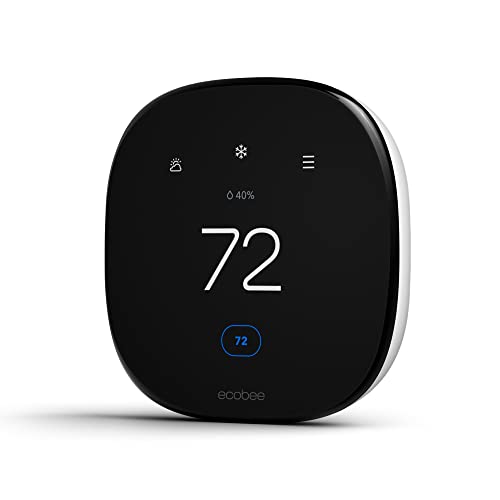
Type: Low‑voltage Wi‑Fi programmable thermostat with smart home voice assistant support.
Key Features: Designed to save energy with presence detection and remote sensor support. The unit offers scheduling, geofencing preheat/pre‑cool, humidity compensation, and compatibility with Siri, Alexa, and Google Assistant. The product information highlights automated adjustments to reduce wasted runtime.
Call 888-896-7031 for Free Local HVAC Quotes – Compare and Save Today!
Garage Use Considerations: Like the Honeywell unit, ecobee is ideal for garages that use a low‑voltage HVAC system. It provides advanced automation and multi‑sensor control that can be useful if you want the garage temperature matched to activity or occupancy. It is not a direct drop‑in for hardwired high‑voltage electric garage heaters without a relay or a compatible interface.
Heat Storm HS-6000-GC Heater, Gray

Type: Ceiling or wall‑mounted hardwired garage heater with Wi‑Fi control capability.
Key Features: The product page lists high output (adjustable wattage), hardwired installation, and Wi‑Fi connectivity for remote control. It is intended for workshops, garages, and office spaces and requires hardwiring for installation. The listing notes multiple output settings and the ability to control the heater from a phone once connected.
Garage Use Considerations: This is a heater unit that includes remote control features, effectively offering thermostat‑like control without a separate thermostat. For garage installations where an integrated hardwired heater is preferred, this product provides a direct solution. Confirm electrical capacity, mounting location, and local codes before installation.
Dreo Smart Wall Heater WH719S

Type: Wall‑mounted electric space heater with smart controls and oscillation.
Key Features: The product listing describes 120° wide oscillation for even heat distribution, app and voice control compatibility with Alexa and Google Home, remote control, 24‑hour timer, and a precise thermostat offering 1°F accuracy across a 41–95°F range. The PTC ceramic element is highlighted for fast, steady heating.
Garage Use Considerations: This unit is positioned as an indoor wall heater with smart controls and could be used in an attached or insulated garage space where a plug‑in or wall‑mounted solution is appropriate. Confirm enclosure suitability and environmental ratings before installing in an unheated or semi‑exposed garage area.
Buying Guide: Choosing A Smart Thermostat Or Wi‑Fi Heater For Your Garage
1. Voltage Compatibility
- For electric baseboard or direct‑wired garage heaters, choose a line‑voltage thermostat (e.g., Mysa) or a heater with built‑in control designed for 120–240V.
- Low‑voltage smart thermostats (ecobee, Honeywell) control furnaces, heat pumps, or mini‑splits—these require a compatible HVAC control circuit and often a C‑wire.
2. Installation Type And Wiring
- Hardwired heaters require proper electrical service and often a dedicated circuit; professional installation is recommended.
- Thermostats that need four wires or a neutral mean checking the control box or running new wiring. Some systems may need a relay or contactor to switch high currents.
3. Smart Features And Integration
- Decide which app ecosystem you prefer (Alexa, Google, HomeKit, Matter). This influences ease of voice control and routines.
- Look for scheduling, geofencing, and remote temperature monitoring if you want preheat functionality before entering the garage.
4. Environmental Suitability
- Garages can be colder and more humid than living spaces. Verify the device’s recommended installation locations and temperature/humidity tolerances.
- Consider models with robust safety features (overheat protection, tip‑over for portable units, thermal cutoffs for hardwired heaters).
5. Capacity And Coverage
- Match heater wattage or thermostat control to the garage size and insulation level. Higher wattage or a multi‑stage system is required for larger, poorly insulated garages.
- For thermostat selection, confirm it can manage the heating equipment’s power and control scheme (single‑stage, multi‑stage, heat pump, line‑voltage).
6. Energy Efficiency And Control Accuracy
- Look for thermostats with precise temperature control and scheduling to minimize runtime. Some manufacturers advertise energy savings and ECO modes.
- Consider remote sensors if you need more accurate readings in a specific zone of the garage.
7. Safety And Local Code Compliance
- Hardwired heaters and line‑voltage thermostats often require compliance with local electrical codes and may need a licensed electrician for installation.
- Confirm any required clearances around ceiling or wall heaters and adhere to manufacturer installation instructions.
8. Interface And User Experience
- Evaluate the mobile app, scheduling complexity, and whether voice control meets your routine requirements.
- Consider whether onboard controls are necessary for guest access or if app/voice is sufficient.
9. Integration With Existing Systems
- If your garage heating is part of a whole‑house system, check whether integrating a smart thermostat will affect other zones or require additional zoning equipment.
- For standalone garage heaters, a Wi‑Fi enabled heater may be simpler than retrofitting a thermostat into a high‑voltage circuit.
10. Cost Of Installation And Additional Hardware
- Factor in potential relay contactors, C‑wire adapters, or electrician labor when comparing devices. Low‑voltage thermostats may need control relays to interface with high‑power heaters.
- Hardwired Wi‑Fi heaters may reduce wiring complexity but require correct circuit sizing and mounting hardware.
Comparison Perspectives
- Thermostat For Line‑Voltage Heaters: Choose products built for 120–240V (Mysa) to avoid additional relay hardware.
- Thermostat For Low‑Voltage HVAC Garages: ecobee or Honeywell deliver richer automation and sensor support for furnace or heat pump systems.
- Wi‑Fi Heaters As Integrated Solution: Hardwired heaters with Wi‑Fi (Heat Storm HS‑6000) combine heating and remote control in one device, suitable where adding a separate thermostat is impractical.
- Portable/Wall Electric Smart Heaters: Dreo and similar units offer plug‑in or wall‑mounted convenience with smart controls but verify suitability for uninsulated garages.
Use the above considerations to match your garage’s electrical setup, insulation, and desired smart features. Ensure compatibility and code compliance before purchasing or installing any thermostat or heater.
Tips for Getting the Best HVAC Prices
- Prioritize Quality Over Cost
The most critical factor in any HVAC project is the quality of the installation. Don’t compromise on contractor expertise just to save money. - Check for Rebates
Always research current rebates and incentives — they can significantly reduce your overall cost. - Compare Multiple Quotes
Request at least three estimates before making your choice. You can click here to get three free quotes from local professionals. These quotes include available rebates and tax credits and automatically exclude unqualified contractors. - Negotiate Smartly
Once you've chosen a contractor, use the proven strategies from our guide — How Homeowners Can Negotiate with HVAC Dealers — to get the best possible final price.