
Overview: Choosing a small convection heater means balancing size, heat output, safety features, and noise. The table below summarizes the selected compact convection heaters and their core features to help you compare at a glance.
| Product | Heat Type / Power | Key Features | Best For |
|---|---|---|---|
| WINHL Small Portable Electric Heater | 1500W PTC Ceramic | Oscillation, Remote, 12H Timer | Small rooms, desks, offices |
| EconoHome Convection Heater | 750W / 1500W Panel | No dust, Tip-over shutoff, Thermostat | Bedrooms, energy-conscious users |
| Dreo Space Heater | 1500W PTC Ceramic | Digital display, Precise thermostat, Safety sensors | Precision temperature control, bedrooms |
| Comfort Zone Baseboard Heater | 1500W Convection/Baseboard | Adjustable thermostat, Quiet, Safety sensors | Medium rooms, baseboard-style placement |
| Dura Heat LPC25 Propane Convection Heater | 15–25,000 BTU Propane | 360° heating radius, Indoor/Outdoor use | Well-ventilated garages, workshops |
Content Navigation
- Space Heater, WINHL Small Portable Electric Heaters For Indoor Use
- EconoHome Convection Heater – 750W Or 1500W Standing Panel Heater
- Dreo Space Heater, Portable Electric Heater With Thermostat
- Comfort Zone Space Heater For Indoor Use – Bedroom Heater
- Dura Heat LPC25 15-25,000 BTU Propane (LP) Convection Heater
- Buying Guide: How To Choose The Best Small Convection Heater
Space Heater, WINHL Small Portable Electric Heaters For Indoor Use

The WINHL Small Portable Electric Heater uses PTC ceramic technology to deliver fast heat to small rooms. Its features include wide-angle automatic oscillation for more even coverage and a remote control that adjusts thermostat, fan speed, modes, and a 12-hour timer. These controls make it convenient for desk or bedside use.
Safety and performance: PTC ceramic elements heat quickly and are considered durable for repeated cycles. The oscillation expands the effective heating footprint beyond a single-direction fan heater. Recommended for users who want portable, responsive heat with remote control and programmable timer functions.
EconoHome Convection Heater – 750W Or 1500W Standing Panel Heater
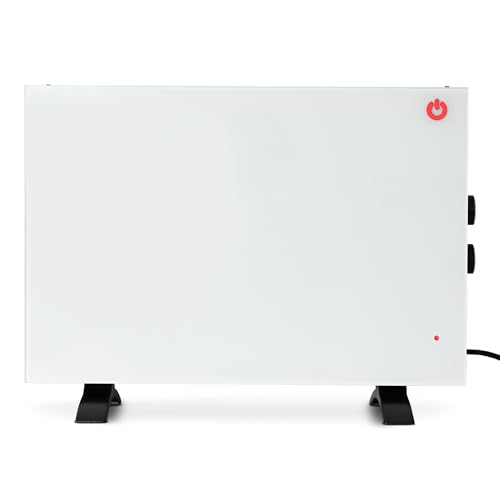
The EconoHome Convection Heater is a standing panel style that offers selectable 750W or 1500W settings and a precision thermostat. Its convection panel design moves warm air naturally without a fan, which reduces noise and prevents dust circulation.
Call 888-896-7031 for Free Local HVAC Quotes – Compare and Save Today!
Health and safety features include an oxygen-friendly operation with no dust emissions and a tip-over switch and thermal cut-out for automatic shutoff. This model is suited to users prioritizing clean-air heating, whisper-quiet operation, and adjustable power to match room size or energy preferences.
Dreo Space Heater, Portable Electric Heater With Thermostat

The Dreo Space Heater combines a 1500W PTC system with a heat funnel design to push warm air farther than many compact heaters. It includes a digital display, precise NTC thermostat with 1°F increments, a 12-hour timer, and enhanced safety sensors such as tilt detection and overheat protection.
Its safety certifications and flame-retardant materials are designed to offer additional protection in daily use. This product is ideal when temperature precision and certified safety features are priorities, e.g., for bedrooms or offices where steady, controllable warmth is needed.
Comfort Zone Space Heater For Indoor Use – Bedroom Heater
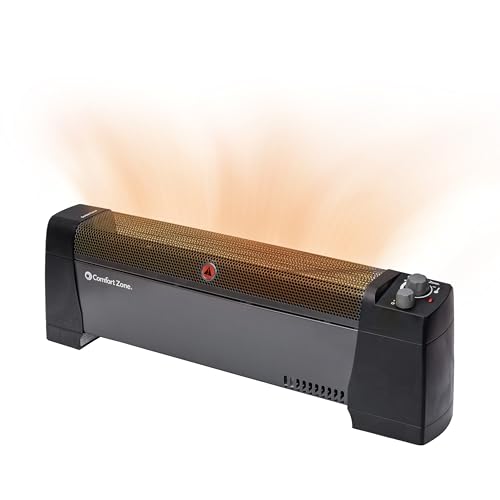
The Comfort Zone Space Heater is a convection baseboard-style unit delivering 1500W and featuring two heat settings and an adjustable thermostat. It emphasizes quiet operation, a stay-cool body, tip-over switch, and overheat protection for safer use in living spaces.
Call 888-896-7031 for Free Local HVAC Quotes – Compare and Save Today!
Its baseboard footprint means it integrates into room edges and runs silently compared with fan-based heaters. This model suits rooms where low noise and safe, consistent convection heat are desired, such as bedrooms and family rooms.
Dura Heat LPC25 15-25,000 BTU Propane (LP) Convection Heater

The Dura Heat LPC25 is a propane-powered convection heater providing a 360° heating radius and robust output suitable for larger, ventilated spaces. It’s designed for indoor and outdoor environments when proper ventilation is maintained, and includes a built-in wind shield for outdoor reliability.
Because this model uses LP fuel rather than electric power, it’s useful where electrical supply is limited or when higher heat output is needed quickly. Users should ensure adequate ventilation and follow local safety codes when using propane heaters indoors.
Buying Guide: How To Choose The Best Small Convection Heater
Selecting a small convection heater requires matching heater type, room size, and safety needs. Below are the critical factors to weigh when comparing models.
Heat Delivery And Power
- Wattage / BTU: For electric small rooms, 750W is suited to small enclosures or supplemental warmth; 1500W covers most small to medium rooms. Propane models use BTU ratings—higher BTUs heat larger or uninsulated spaces.
- Convection Vs. Fan-Forced: Convection heaters move air by natural circulation and are quieter and cleaner; fan-forced or PTC fan models warm faster but can be noisier.
Room Size And Placement
- Measure room square footage and match to heater output. Small bedrooms and offices often need 1500W or less; garages and workshops may require propane or larger BTU units.
- Placement matters: baseboard or panel heaters integrate along walls while portable models use floor or tabletop space. Allow clearance per manufacturer guidelines for safe airflow.
Safety Features
- Tip-Over Switch: Automatically cuts power if the unit falls over—important for portable units in active rooms.
- Overheat Protection: Shuts off the heater if internal temperatures exceed safe limits.
- Certifications: Look for ETL, UL, or CSA marks on electric heaters. For fuel-powered units, ensure compliance with local codes and follow ventilation recommendations.
Controls, Timers, And Thermostat Precision
- Thermostat Accuracy: Digital NTC/precision thermostats allow small temperature increments and can save energy by avoiding constant full-power operation.
- Timers And Remote Controls: Timers let you schedule runtime; remote controls add convenience for bedside or office use.
Noise And Air Quality Considerations
- Noise Levels: Convection panels are typically silent; PTC fan units produce ambient fan sound. Choose based on tolerance for background noise.
- Air Quality: Convection heaters without fans minimize dust circulation. If allergies are a concern, prefer no-fan or low-fan designs and keep the heater clean.
Energy Efficiency And Operating Cost
- Electric heaters convert nearly all input power to heat. Use adjustable thermostats and timers to reduce runtime.
- Propane can offer lower operating costs in some contexts but requires fuel storage and ventilation; factor fuel availability and safety into overall cost.
Durability, Warranty, And Brand Support
- Check warranty length and what it covers (elements, controls, safety circuits). Reputable support and replacement part availability affect long-term value.
- Materials such as ceramic PTC elements and flame-retardant housings can improve longevity and safety.
Specific Use Cases And Recommendations
- Quiet Bedrooms / Offices: Choose convection panel or silent baseboard styles with precise thermostats.
- Fast Supplemental Heat: PTC ceramic fan models heat up quickly and work well near desks or seating areas.
- Garages / Workshops: Consider propane or higher-BTU convection models with adequate ventilation for non-insulated spaces.
- Energy-Sensitive Users: Select multi-watt options (750/1500W) and use thermostats/timers to limit consumption.
Comparing across perspectives—noise, air quality, precision control, portability, and fuel type—helps identify the best small convection heater for your application. Prioritize safety features and correct sizing for the most effective, economical, and comfortable heating solution.
Tips for Getting the Best HVAC Prices
- Prioritize Quality Over Cost
The most critical factor in any HVAC project is the quality of the installation. Don’t compromise on contractor expertise just to save money. - Check for Rebates
Always research current rebates and incentives — they can significantly reduce your overall cost. - Compare Multiple Quotes
Request at least three estimates before making your choice. You can click here to get three free quotes from local professionals. These quotes include available rebates and tax credits and automatically exclude unqualified contractors. - Negotiate Smartly
Once you've chosen a contractor, use the proven strategies from our guide — How Homeowners Can Negotiate with HVAC Dealers — to get the best possible final price.