
Small indoor propane heaters offer portable warmth for garages, cabins, small rooms, and tents. This guide reviews five indoor-safe compact propane heaters with safety features like ODS and tip-over protection, plus a comparison table to help you choose the right unit.
| Product | Heating Range | Key Safety Features |
|---|---|---|
| Mr. Heater Portable Buddy MH9BX | 4,000–9,000 BTU (up to 225 sq. ft.) | Tip-over switch, Piezo igniter |
| Mr. Heater MH4B Little Buddy | 3,800 BTU (up to 95 sq. ft.) | ODS, Tip-over shut-off |
| Mr. Heater 4000–18000 BTU Portable LP Unit | 4,000–18,000 BTU (up to 450 sq. ft.) | Automatic safety shutoff, Piezo ignition |
| OKF Propane Heater 6k–18k BTU | 6,000/12,000/18,000 BTU (up to 450 sq. ft.) | ODS, Tip-over protection, Pulse ignition |
| Mr. Heater MHVFBF20LPT Blue Flame Vent Free | Up To 20,000 BTU (up to 700 sq. ft.) | ODS (factory standard), Thermostat |
Content Navigation
- Mr. Heater Portable Buddy Heater MH9BX 4,000-9,000 BTU
- Mr. Heater MH4B Little Buddy 3800-BTU Indoor Heater
- Mr. Heater 4000 To 18000 BTU Portable LP Gas Heater Unit
- OKF Propane Heater Indoor And Outdoor 6000-18000 BTU
- Mr. Heater MHVFBF20LPT 20,000 BTU Blue Flame Vent Free
- Buying Guide: Choosing A Small Indoor Propane Heater
Mr. Heater Portable Buddy Heater MH9BX 4,000-9,000 BTU
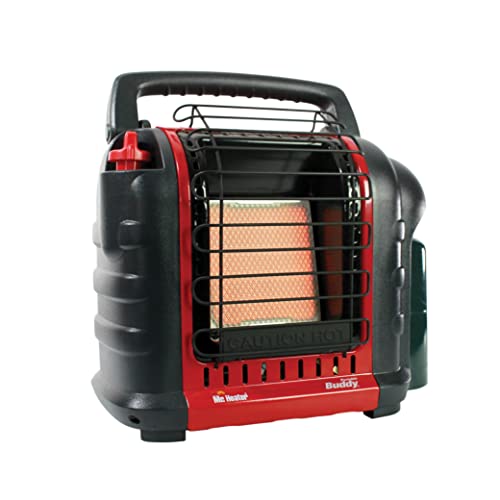
The Portable Buddy MH9BX is a compact radiant propane heater that delivers 4,000–9,000 BTU and is designed for small indoor spaces such as workshops, campers, and patios. It uses infrared radiant heat to warm objects and people directly, which can feel like sun-like warmth instead of heating all the air in a room.
Key features include an adjustable BTU range for zone control, an improved tip-over safety switch that audibly engages if disturbed, and a durable Piezo igniter for match-free start-up. The manufacturer suggests effectiveness in areas up to 225 sq. ft.
Use scenarios: ideal where localized, immediate warmth is preferred and where portability is needed. Consider ventilation guidance and follow the user manual for safe indoor operation.
Mr. Heater MH4B Little Buddy 3800-BTU Indoor Heater
Call 888-896-7031 for Free Local HVAC Quotes – Compare and Save Today!
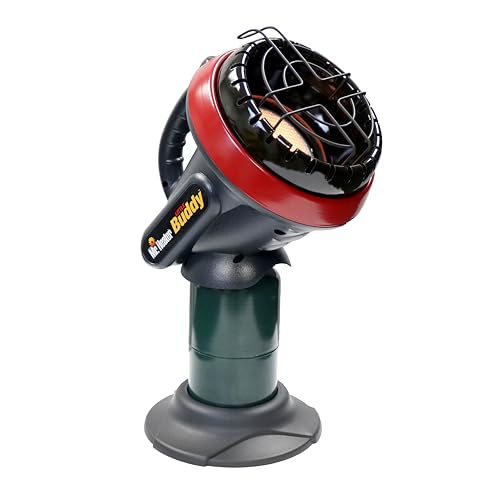
The MH4B Little Buddy is one of the smallest indoor propane heaters, offering 3,800 BTU and a focused 45° radiant angle suitable for spaces up to 95 sq. ft. Its compact size and lightweight design make it convenient for tents, small rooms, and near workstations.
Safety systems include an Oxygen Depletion Sensor (ODS), tip-over shut-off, and a patented cross-thread protection system for cylinder connection. Runtime guidance: the unit can run multiple hours on a 1-pound cylinder at lower settings.
Use scenarios: best for very small indoor areas where simple, low-output heat with safety interlocks is required. It’s also suitable for elevated locations up to 7,000 feet per specifications.
Mr. Heater 4000 To 18000 BTU Portable LP Gas Heater Unit
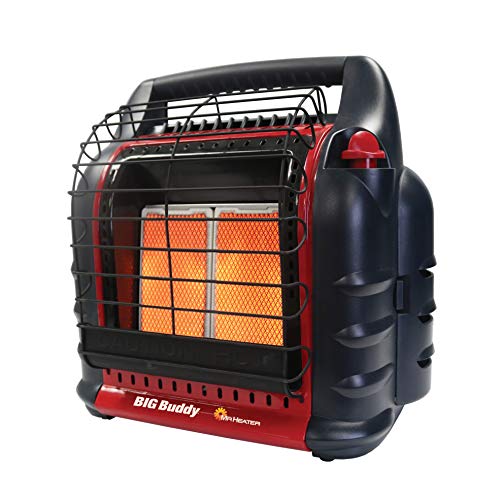
This adjustable propane heater provides 4,000, 9,000, or 18,000 BTU, expanding its use from small rooms to larger garages or porches. The unit supports an optional connection to larger tanks (up to 40 lbs) for extended runtime or higher output.
Notable features include a single control start knob with Piezo sparking, automatic safety shutoff for tip-over events, and a broader heating coverage up to 450 sq. ft. The variable settings offer flexibility between energy savings and higher heat output.
Call 888-896-7031 for Free Local HVAC Quotes – Compare and Save Today!
Use scenarios: suitable when you want one portable heater capable of both small-room comfort and larger-area warming with the right tank setup. Follow indoor venting and clearance recommendations for safe operation.
OKF Propane Heater Indoor And Outdoor 6000-18000 BTU

The OKF unit is a multi-setting propane heater with 6,000/12,000/18,000 BTU outputs and a claimed coverage up to 450 sq. ft. It connects to a standard 20 lb propane tank using the included regulator and hose.
Safety features highlighted are ODS for low-oxygen shutoff and tip-over protection. This model uses a pulse ignition, noted as more durable than some piezo systems. On low settings, the manufacturer notes extended run times for emergency or off-grid scenarios.
Use scenarios: appropriate for indoor workshops, garages, and large rooms where adjustable output and robust safety shutdowns are required. Ensure installation and clearance meet indoor codes and the unit’s specifications.
Mr. Heater MHVFBF20LPT 20,000 BTU Blue Flame Vent Free
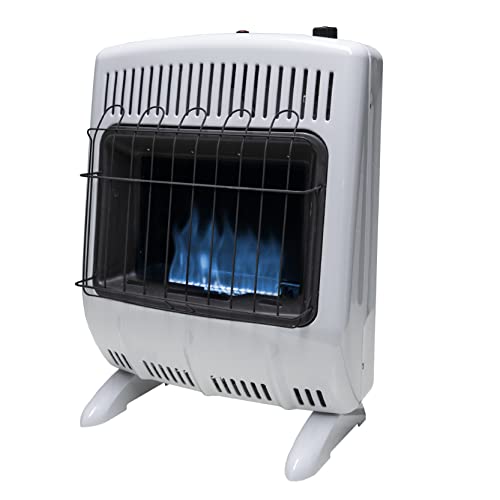
This blue flame vent-free wall heater provides up to 20,000 BTU intended for whole-room heating in additions, sunrooms, cabins, and garages up to 700 sq. ft. It mounts on a wall and uses a thermostat for accurate temperature control.
Key safety and convenience features include a factory-installed Oxygen Depletion Sensor (ODS), battery-powered electronic ignition, and specifications for elevations up to 4,500 ft. Fuel consumption and thermostat control are useful for continuous room regulation.
Use scenarios: designed as a permanent or semi-permanent indoor solution for larger small-to-medium rooms where vent-free operation is acceptable and local codes permit. Professional installation is often recommended for wall-mounted vent-free appliances.
Buying Guide: Choosing A Small Indoor Propane Heater
Selecting the right small propane heater depends on several factors including room size, intended use, safety features, fuel source, and local regulations. Below are the key considerations to evaluate.
1. Heating Capacity And Coverage
- BTU Rating: Higher BTU means more heat output; match BTU to room square footage. Small personal heaters may be 3,000–9,000 BTU while room heaters can reach 18,000–20,000 BTU.
- Radiant Vs. Blue-Flame: Radiant models heat objects and people directly—good for spot heating. Blue-flame or vent-free units heat air and provide whole-room warmth.
2. Safety Features
- Oxygen Depletion Sensor (ODS): Shuts off fuel if oxygen drops—critical for indoor use.
- Tip-Over Shut-Off: Prevents continued operation if unit falls over—essential for portable heaters.
- Automatic Shutoff & Sensors: Look for models with proven safety interlocks and clear manufacturer safety documentation.
3. Fuel Source And Runtime
- Cylinder Size: Small heaters often use 1-lb cylinders; larger portable units use 20-lb tanks. Consider runtime and how often you’ll replace tanks.
- Adapter Options: Some units allow connection to larger tanks for extended use—verify compatible hoses/regulators.
4. Ignition And Controls
- Piezo vs. Pulse vs. Electronic Ignition: Piezo is common and reliable; pulse ignition claims greater durability. Electronic ignition provides push-button start and thermostat control in some models.
- Variable Heat Settings: Multiple BTU settings or thermostats help balance comfort and fuel efficiency.
5. Installation And Portability
- Portable vs. Wall-Mounted: Portable radiant heaters are easy to move; vent-free blue flame units require fixed installation and clearances.
- Clearances And Ventilation: Even indoor-safe heaters require minimum clearances from combustibles. Follow manufacturer and local code guidelines.
6. Code Compliance And Indoor Use Rules
- Local Regulations: Some jurisdictions restrict vent-free propane heaters. Verify local building codes and fire regulations before purchasing or installing.
- Manufacturer Certifications: Look for units labeled for indoor use with ODS and other safety listings.
7. Use Case Scenarios
- Personal/Task Heating: Small radiant units (3,000–9,000 BTU) are efficient for desks, workbenches, and tents.
- Room Warming: For whole-room heating consider vent-free blue flame or higher-BTU portable units with thermostat control.
- Emergency/Off-Grid Use: Models with long low-BTU runtime and standard tank compatibility are suited for power outages.
8. Maintenance And Consumables
- Hoses, Regulators, And Connectors: Inspect and replace per manufacturer intervals. Use certified replacement parts.
- Storage And Fuel Safety: Store propane cylinders outdoors and upright. Follow handling guidelines when swapping cylinders.
9. Comparison Perspectives
- Safety-First Perspective: Prioritize ODS and tip-over protection for any indoor appliance.
- Portability Perspective: Choose compact radiant models if you need to move the unit frequently.
- Whole-Room Efficiency Perspective: Blue-flame vent-free units deliver whole-room warmth but require code checks and may need professional installation.
- Runtime/Cost Perspective: Consider how often you’ll replace cylinders or whether you’ll use larger tanks to reduce refill frequency.
When evaluating models, compare BTU output, safety systems, fuel compatibility, and installation requirements side-by-side. Always follow the manufacturer’s instructions and local codes for safe indoor propane heater use.
Tips for Getting the Best HVAC Prices
- Prioritize Quality Over Cost
The most critical factor in any HVAC project is the quality of the installation. Don’t compromise on contractor expertise just to save money. - Check for Rebates
Always research current rebates and incentives — they can significantly reduce your overall cost. - Compare Multiple Quotes
Request at least three estimates before making your choice. You can click here to get three free quotes from local professionals. These quotes include available rebates and tax credits and automatically exclude unqualified contractors. - Negotiate Smartly
Once you've chosen a contractor, use the proven strategies from our guide — How Homeowners Can Negotiate with HVAC Dealers — to get the best possible final price.