
Quick Overview: Choosing the right kerosene and compatible heater affects warmth, safety, run time, and indoor air quality. Below is a compact comparison of five products that pair common kerosene fuel choices with reliable heaters for homes, garages, and emergency use.
| Product | Type | Key Feature |
|---|---|---|
| Dyna-Glo WK24BK 23,800 BTU | Indoor Convection Heater | Heats Up To 1,000 Sq. Ft., No Electricity |
| Sengoku HeatMate 23,500 BTU (HMC-23K) | Portable Indoor/Outdoor Heater | 1.9-Gallon Tank, Up To 12 Hours Run Time |
| KeroHeat 23,500 BTU Portable | Portable Kerosene Heater | Push-To-Start, 1.9-Gallon Reservoir |
| Dura Heat DH1051 10,500 BTU | Smaller Indoor Kerosene Heater | 360° Heating, Up To 15 Hours On 1.1 Gal. |
| Klean-Strip Klean Heat Kerosene Alt. (1 Gallon) | Kerosene Alternative Fuel | Odorless Fuel For Heaters, Lamps, Stoves |
Content Navigation
Dyna-Glo WK24BK 23,800 BTU Heater
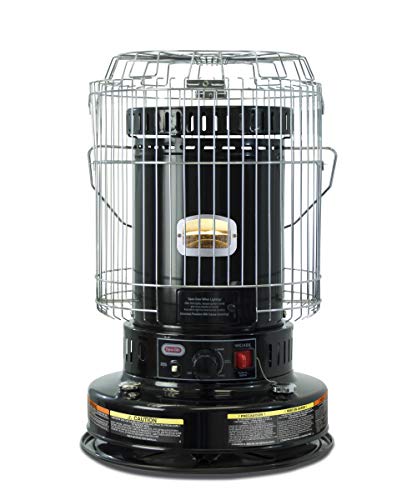
Type: Indoor kerosene convection heater. Key Specs: 23,000 BTU/hour output, designed to heat up to 1,000 sq. ft., operates without electricity. This model emphasizes sustained convection heat distribution for larger rooms.
This heater is engineered for spaces where reliable, non-electric heat is needed. The high BTU rating supports rapid temperature maintenance in open areas. Because it is a convection unit, it warms air that circulates through a room rather than providing direct radiant heat. The feature list notes no electricity required, making it suitable for power outages when combined with proper kerosene fuel.
For best performance use recommended kerosene or a clean kerosene alternative to reduce soot and odor. Observe manufacturer guidelines on ventilation, placement, and fuel grade to maintain safety and efficiency.
Sengoku HeatMate 23,500 BTU HMC-23K
Call 888-896-7031 for Free Local HVAC Quotes – Compare and Save Today!
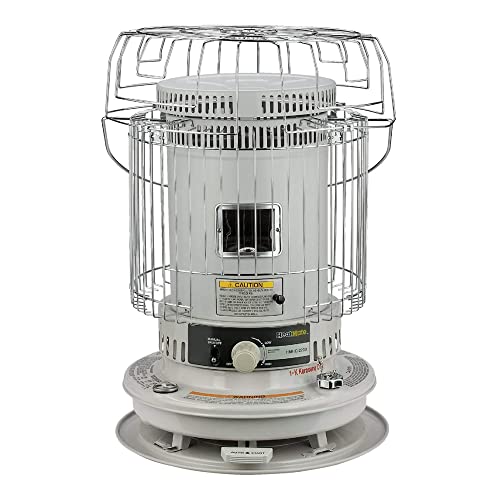
Type: Indoor & outdoor portable kerosene heater. Key Specs: 23,500 BTU output, 1.9-gallon fuel tank, up to 12 hours per fill. Safety features listed include automatic shutoff, tip-over switch, and protective guard grills.
This HeatMate model is positioned as a versatile heat source useful for emergency heating, garages, and temporary outdoor use. The 1.9-gallon reservoir supports extended run times. The listed safety systems help reduce risks associated with accidental tipping or fuel error, though proper ventilation remains essential when used indoors.
Users should pair this heater with high-quality kerosene or an approved odorless kerosene alternative to minimize indoor emissions. The unit’s cordless design and push-to-start operation make it a straightforward option when power is unavailable.
KeroHeat 23,500 BTU Portable Heater

Type: Portable kerosene heater for indoor/outdoor use. Key Specs: 23,500 BTU, heats up to approximately 900 sq. ft., 1.9-gallon tank. Includes siphon pump and batteries for ignition, with an automatic safety fuel shut-off and push-to-start button.
This KeroHeat model focuses on portability and user convenience with easy lighting and a carry-friendly profile. The automatic fuel shut-off and push-to-start reduce need for matches and simplify operation during outages. The supplied siphon pump supports clean fuel transfer from storage containers.
Call 888-896-7031 for Free Local HVAC Quotes – Compare and Save Today!
Fuel choice impacts performance: use recommended kerosene grades or odorless alternatives to minimize maintenance and indoor odors. Follow the listed safety features and ensure the space meets ventilation recommendations for indoor operation.
Dura Heat DH1051 10,500 BTU Heater

Type: Compact indoor kerosene heater. Key Specs: 10,500 BTU output, 360-degree heating pattern, operates up to 15 hours on 1.1 gallons of fuel. Designed for smaller rooms or supplemental warmth.
This smaller-capacity heater is a match for bedrooms, workshops, or well-contained areas where a large convection unit would be excessive. The 360-degree heating description indicates uniform heat dispersion around the unit, useful in multi-directional spaces.
When using lower BTU heaters, fuel quality remains important for maintaining clean combustion and minimizing soot. For indoor use, pairing the unit with a low-odor kerosene or kerosene alternative reduces occupant exposure to fumes while preserving burner life.
Klean-Strip Klean Heat Kerosene Alternative

Type: Kerosene alternative and heater fuel. Key Specs: Marketed as odorless heater fuel for heaters, lamps, and stoves. Formulated to minimize odor before, during, and after burning.
Klean-Strip Klean Heat is presented as an alternative to conventional kerosene with the primary benefit of reduced odor. Reduced odor fuels can improve indoor comfort and may result in less detectable fumes during long run times, particularly important in enclosed or poorly ventilated spaces.
When choosing a fuel alternative, verify compatibility with your heater manufacturer’s fuel recommendations. Some heaters specify Grade 1-K kerosene or equivalent; using an approved, odorless alternative designed for heaters can reduce maintenance and soot accumulation while improving indoor air quality.
Buying Guide: Choosing Kerosene And Heaters
Fuel Type And Quality: Kerosene for indoor heaters is typically sold as Grade 1-K (clear, low-sulfur). Odorless alternatives are blended to reduce smell and may burn cleaner. Confirm the fuel type recommended by your heater manufacturer to avoid warranty issues or incomplete combustion.
BTU Output And Room Size: Match heater BTU to the space. Higher BTUs (20k–24k) suit larger, open areas up to ~1,000 sq. ft. Lower-output units (10k–11k) are better for bedrooms and small workshops. Consider insulation, ceiling height, and heat loss when estimating required BTUs.
Run Time And Tank Capacity: Tank size determines run time. Bigger tanks (1.9 gallons) support longer continuous operation (up to ~12 hours depending on output). Smaller tanks can operate longer on lower BTU settings. Balance portability with desired run time.
Safety Features: Look for automatic shutoff, tip-over switches, protective grills, and safety fuel shut-off valves. These features reduce fire and fuel-spill risks. Even with safety systems, maintain clearances, keep combustibles away, and use carbon monoxide detectors when operating indoor kerosene heaters.
Ventilation And Indoor Air Quality: Kerosene combustion consumes oxygen and can produce byproducts. Ensure adequate ventilation and consider odorless fuels to lessen smell. Install and maintain carbon monoxide alarms and follow local codes about indoor heater use.
Ignition And Operation: Push-to-start or battery-assisted ignition simplifies use during power outages. Models that include siphon pumps, batteries, and easy-start features reduce hassle during emergencies. Manual ignition models may require matches or external devices.
Maintenance And Burner Care: Use clean fuel to reduce soot and deposits. Periodic cleaning of the wick and combustion chamber extends heater life. Follow manufacturer maintenance schedules and replace components with approved parts.
Compatibility And Manufacturer Guidance: Always check your heater manual for approved fuel types. Some heaters require Grade 1-K kerosene only; others accept formulated alternatives. Using incompatible fuels can affect combustion quality, safety mechanisms, and warranty coverage.
Comparison Perspectives: Evaluate heaters by efficiency (BTU per gallon usage), convenience (tank capacity, ignition), and safety (built-in protections). Compare fuels by odor, clean burn characteristics, and storage stability. For indoor-focused use, prioritize low-odor, high-quality kerosene or approved alternatives and heaters with robust safety features.
Storage And Handling: Store kerosene in approved containers, away from heat sources. Ensure labeled containers and use funnels or siphon pumps for safe transfer. Follow local regulations for fuel storage limits to reduce risk.
Environmental And Local Regulations: Some areas restrict indoor use of certain fuels or have specific ventilation requirements. Check local codes and manufacturer advisories before installing or operating a kerosene heater indoors.
Tips for Getting the Best HVAC Prices
- Prioritize Quality Over Cost
The most critical factor in any HVAC project is the quality of the installation. Don’t compromise on contractor expertise just to save money. - Check for Rebates
Always research current rebates and incentives — they can significantly reduce your overall cost. - Compare Multiple Quotes
Request at least three estimates before making your choice. You can click here to get three free quotes from local professionals. These quotes include available rebates and tax credits and automatically exclude unqualified contractors. - Negotiate Smartly
Once you've chosen a contractor, use the proven strategies from our guide — How Homeowners Can Negotiate with HVAC Dealers — to get the best possible final price.