
The following guide compares reliable indoor-rated propane heaters suitable for garages, workshops, cabins, and supplemental home heating. Each product below lists core safety features, heat output, and application notes to help you match performance to space and ventilation requirements.
| Product | Type | BTU Range | Key Safety Feature |
|---|---|---|---|
| Mr. Heater Portable Buddy MH9BX | Portable Radiant | 4,000–9,000 | Tip-Over Safety Switch |
| Mr. Heater MHVFBF20LPT Blue Flame | Vent-Free Blue Flame Wall | 20,000 | Oxygen Depletion Sensor (ODS) |
| Dyna-Glo IR30PMDG-1 Infrared | Vent-Free Infrared Wall | 6,000–30,000 | Infrared Radiant Heat |
| ProCom ML300TBA-B Blue Flame | Ventless Blue Flame | Up To 30,000 | Thermostat Control |
| OKF Propane Heater Indoor/Outdoor | Portable Multi-Mode | 6,000/12,000/18,000 | ODS & Tip-Over Protection |
Content Navigation
Mr. Heater Portable Buddy MH9BX
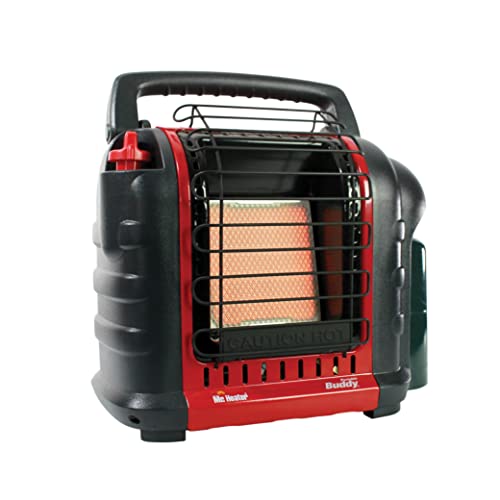
This portable radiant propane heater uses infrared technology to heat objects and people directly rather than primarily heating the air. It offers an adjustable output between 4,000 and 9,000 BTU, suitable for enclosed spaces up to about 225 sq. ft.
Safety is emphasized with an improved tip-over safety switch that audibly engages if the unit is tipped or jostled. The unit ignites with a durable Piezo igniter, requiring no matches or external power. These features make it appropriate for temporary indoor use where ventilation guidance and local codes permit.
Performance notes: radiant heat provides quick localized warmth, making it useful in workspaces, campers, and garages. As with all indoor propane appliances, follow manufacturer instructions for clearance and ventilation and ensure compatibility with indoor installation rules.
Mr. Heater MHVFBF20LPT Blue Flame
Call 888-896-7031 for Free Local HVAC Quotes – Compare and Save Today!
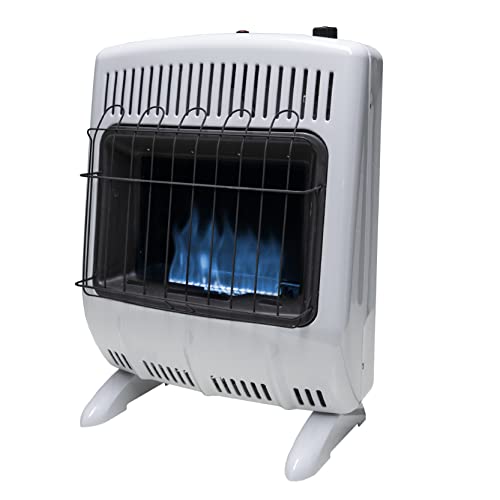
This vent-free blue flame wall heater delivers up to 20,000 BTU, intended to heat larger rooms such as additions, sun rooms, cabins, or garages up to approximately 700 sq. ft., subject to insulation and ceiling height.
Key safety and control features include a thermostat for temperature regulation, battery-powered electronic ignition, and a factory-standard Oxygen Depletion Sensor (ODS) that shuts off gas flow if oxygen levels fall below safe thresholds. The appliance is rated for use up to certain elevations and specifies fuel consumption details for planning.
Installation considerations: wall mounting and clearances are required. Vent-free blue flame units are designed to operate without a flue, but they rely on adequate fresh air; consult local codes and install per instructions for safe indoor operation.
Dyna-Glo IR30PMDG-1 Infrared Heater

The Dyna-Glo IR30PMDG-1 is a liquid propane-ready infrared vent-free wall heater with a variable output range from 6,000 to 30,000 BTU. Infrared radiant heating warms objects first, providing a perception similar to sunlight rather than just warming air.
Because it is vent-free, this heater is designed to deliver heat directly into living spaces without ducting. The product emphasizes broad coverage—up to roughly 1,000 sq. ft.—at higher outputs, though real-world performance depends on room envelope and airflow.
Call 888-896-7031 for Free Local HVAC Quotes – Compare and Save Today!
Installation and operation must follow the manufacturer’s clearance and fresh-air guidance. Infrared vent-free systems are valued for efficient, immediate warmth but require attention to indoor air quality when used as a primary heating source.
ProCom ML300TBA-B Blue Flame

The ProCom ML300TBA-B is a compact blue flame ventless heater capable of up to 30,000 BTU and designed to heat larger residential areas, with manufacturer claims up to about 1,400 sq. ft. It supports wall or floor placement with included mounting hardware and base feet.
Controls include a multi-level thermostat for High/Medium/Low settings. The unit’s slim profile targets living rooms, bedrooms, or offices where a ventless solution is acceptable under local regulations. Thermostat control promotes steadier indoor temperatures versus manual-only devices.
As with other ventless blue flame heaters, the ML300TBA-B depends on adequate fresh air supply and adherence to clearance requirements. Review the ventilation recommendations and ODS specifications during installation planning.
OKF Propane Heater Indoor and Outdoor

The OKF propane heater provides three heat settings—6,000, 12,000, and 18,000 BTU—and is marketed for both indoor and outdoor use. It features a pulse ignition system, a supplied regulator and hose for connection to a 20 lb propane tank, and extended runtime on low settings.
Safety systems include an Oxygen Depletion Sensor (ODS) and tip-over shutoff, which cut gas flow in low-oxygen or tipped conditions. The adjustable output and portability make it suitable for garages, workshops, patios, and temporary indoor spaces where ventilation and building codes permit.
Operational notes: pulse ignition is presented as durable and reliable. Users should verify compatibility with indoor codes and review required clearances and fresh air recommendations before indoor deployment.
Buying Guide: Choosing An Indoor-Rated Propane Heater
Selecting an indoor-rated propane heater requires balancing heat output, safety features, installation needs, and indoor air considerations. The following factors help guide a safe and effective selection.
Heating Type And BTU Output
- Radiant/Infrared: Heats objects and people directly; effective for spot heating and workshops. Look for models with low-to-medium BTU ranges for small spaces.
- Blue Flame/Vent-Free: Designed to heat room air efficiently without a flue; good for whole-room heating but requires adherence to indoor air and ventilation rules.
- Match BTU output to room size, insulation, and ceiling height. Higher BTU covers larger spaces but increases indoor combustion byproducts.
Safety Systems
- Oxygen Depletion Sensor (ODS): Essential for vent-free systems; shuts off gas if oxygen drops too low.
- Tip-Over Protection: Important for portable units used in workshops or temporary spaces.
- Flame Failure Devices and robust ignition systems reduce risk from unburned gas.
Vent-Free vs. Vented
- Vent-Free Heaters are efficient and simple to install but add combustion products to the room; they require proper fresh-air makeup and may be restricted by local codes or in bedrooms.
- Vented Heaters (flued) remove combustion byproducts outdoors and are preferable if continuous indoor air quality is a priority.
Installation And Clearance Requirements
- Review manufacturer-specified clearances to combustibles, recommended mounting, and minimum room size.
- Wall-mounted models require secure anchoring and adherence to vent-free spacing rules when applicable.
Fuel Connection And Tank Considerations
- Confirm compatibility with standard propane tanks and check whether an inline regulator and hose are included.
- Consider dual-tank connection options or long-run hose setups for extended operation in remote locations.
Indoor Air Quality And Ventilation
- Vent-free combustion increases water vapor and trace combustion byproducts; maintain fresh-air makeup and monitor humidity.
- For frequent or prolonged use, consider mechanical ventilation, CO detectors, and following local building code guidance.
Controls And Thermostat Features
- Thermostat-controlled units reduce cycling, maintain stable temperatures, and can be more efficient for living spaces.
- Simple manual knobs are common on portable units and are suited for intermittent use.
Maintenance And Durability
- Choose units with accessible burners and clear user maintenance instructions. Regularly inspect hoses, regulators, and ignition assemblies.
- Stainless steel components and quality finishes prolong service life in humid or corrosive environments.
Regulatory And Code Compliance
- Check local codes for restrictions on vent-free appliances, allowable rooms, and installation requirements. Some jurisdictions restrict vent-free heaters in bedrooms or small, tightly sealed spaces.
- Ensure professional installation when required by code or when hardwiring, gas piping, or permanent wall mounting is involved.
Comparison Perspectives
- Portable Radiant Units (e.g., Mr. Heater Buddy): Best for targeted spot heating, easy to move, typically lower BTU outputs and strong tip-over protection.
- Vent-Free Wall Heaters (e.g., Mr. Heater Blue Flame, ProCom): Better for whole-room heating with thermostat control, but depend on fresh-air makeup and ODS systems.
- High-BTU Infrared Wall Units (e.g., Dyna-Glo): Deliver strong radiant warmth for large spaces; ensure clearances and indoor air considerations are addressed.
- Multi-Mode Portable Heaters (e.g., OKF): Offer flexible outputs and portability for mixed indoor/outdoor use with built-in safety features.
When selecting, weigh the intended use (temporary spot heat vs. primary supplemental heat), local regulations on vent-free appliances, and the specific safety features required for your space. Proper installation, ventilation, and carbon monoxide monitoring are essential for safe indoor propane heater operation.
Tips for Getting the Best HVAC Prices
- Prioritize Quality Over Cost
The most critical factor in any HVAC project is the quality of the installation. Don’t compromise on contractor expertise just to save money. - Check for Rebates
Always research current rebates and incentives — they can significantly reduce your overall cost. - Compare Multiple Quotes
Request at least three estimates before making your choice. You can click here to get three free quotes from local professionals. These quotes include available rebates and tax credits and automatically exclude unqualified contractors. - Negotiate Smartly
Once you've chosen a contractor, use the proven strategies from our guide — How Homeowners Can Negotiate with HVAC Dealers — to get the best possible final price.