
Short Guide: This article compares reliable 220-240V heating options for indoor and outdoor use, including infrared patio heaters, hardwired garage heaters, wall-mounted panel units, and tankless electric water heaters. Choose based on power, installation type, coverage area, and safety features.
| Product | Type | Key Power Rating |
|---|---|---|
| Dr. Infrared 10,260 BTU Infrared Heater | Ceiling/Wall Infrared (Indoor/Outdoor) | 3000W / 220-240V |
| Comfort Zone Hard-Wired Ceiling Garage Heater | Fan-Forced Ceiling Heater (Hardwired) | 5000W / 240V |
| Dr Infrared DR-988A Garage Shop Heater | Wall/Ceiling Commercial Electric Heater | 4800/5600W / 208-240V |
| Envi 220V Panel Wall Heater | Wall-Mounted Convection Panel (Quiet) | 220V (low wattage, thermostatic) |
| ECOTINYMACH 220V Tankless Water Heater | Instant Electric Water Heater (Under Sink) | 4000W / 220V |
Content Navigation
Dr. Infrared 10,260 BTU Infrared Heater
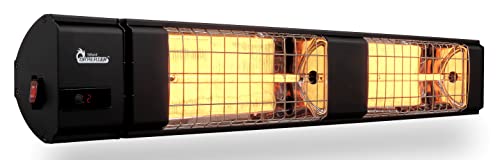
This 220-240V infrared heater delivers 10,260 BTU / 3000W using a carbon infrared element for rapid radiant heat. It’s designed for both indoor and outdoor use with an IP55 weatherproof rating. The unit ships with a power plug and includes mounting hardware for ceiling or wall installation.
Features listed: instant heat, two power levels, remote control, easy ceiling or wall installation, odorless infrared heat, and suitability for patio, garage, commercial or residential spaces. The remote supports switching between power levels and standby mode for convenience.
Installation notes: supports 220–240V circuits; confirm supply compatibility and mounting location to maximize radiant coverage. Suitable where direct radiant warmth is preferred over forced-air circulation.
Comfort Zone Hard-Wired Ceiling Garage Heater

Call 888-896-7031 for Free Local HVAC Quotes – Compare and Save Today!
This 240V, 5000W fan-forced ceiling heater is built for workshops, garages, and commercial spaces where floor space is limited. The design focuses on overhead mounting to free usable floor area while providing wide heat distribution via a forced-air system.
Features listed: heavy-gauge steel construction, adjustable louvers and mounting angle for targeted heating, overheat protection, and thermal cut-out switch. The unit is ETL compliant and intended for hard-wired installation.
Considerations: fan-forced models provide faster air circulation compared to radiant units and may be preferable for large, open spaces. Hard-wired installation should be performed by a licensed electrician to meet safety codes and ensure proper circuit sizing.
Dr Infrared DR-988A Garage Shop 208/240V

The DR-988A is a high-output heater designed for garage and shop environments. It requires a 240V supply and offers rated power options up to 5600W. The unit includes a NEMA 6-30P power cord and requires a compatible NEMA 6-30R receptacle (250V, 30A).
Features listed: 208/240-volt operation, 4800/5600-watt power consumption, and the need for a dedicated 6-30R outlet. The plug and receptacle type should be confirmed before purchase to ensure compatibility with existing wiring.
Call 888-896-7031 for Free Local HVAC Quotes – Compare and Save Today!
Installation advice: this model is suitable where high wattage is required for rapid warming of large or poorly insulated spaces. Electrical outlet and breaker capacity must match the heater’s demand to maintain safety and performance.
Envi 220 Volt Hardwired Electric Panel Heater

This wall-mounted convection panel uses 220V power to deliver low-wattage, silent heating via patented stack convection technology. It’s fan-less, designed to produce gentle, even heat without circulating dust or allergens.
Features listed: energy-efficient operation claiming significant energy savings when used to supplement central heating, cool-to-the-touch surface at 90°F with a Wall-Sens safety sensor, auto-dimming power light, and quiet fan-less operation. It includes a comfort-level thermostat and is positioned for residential rooms like bedrooms and offices.
Usage notes: ideal for occupants prioritizing quiet operation, low surface temperature for child/pet safety, and targeted zone heating. This type of panel is best for sustained, background warmth rather than rapid temperature swings.
ECOTINYMACH 220V Tankless Water Heater
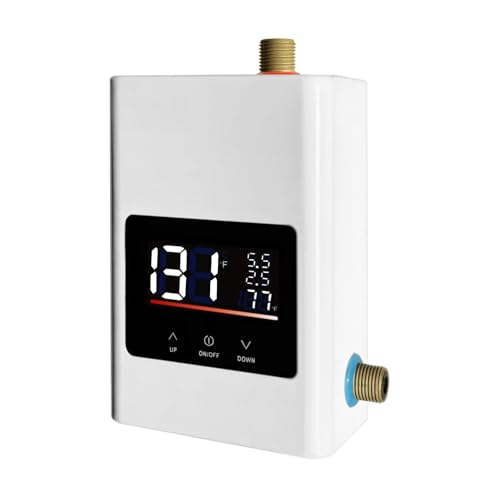
This compact tankless water heater runs on 220V / 4000W power and is intended for under-sink or point-of-use installations. It provides on-demand hot water with a small footprint suitable for apartments, RVs, and small homes.
Features listed: remote control, quick temperature conversion between Fahrenheit and Celsius, compact design, and instant hot water delivery. The remote adds convenience for adjusting water temperature without accessing the unit directly.
Installation considerations: tankless units require proper electrical capacity and may need dedicated breakers or upgraded service for higher wattage models. Ideal for users wanting to minimize standby energy losses and save space compared to storage tank heaters.
Buying Guide: How To Choose The Right 220 Volt Heater
Selecting a 220V heater involves matching electrical capacity, heat delivery method, installation type, and safety features to your needs. Below are the key considerations organized to help compare diverse 220–240V heater categories.
1. Power Rating And Circuit Requirements
- Wattage vs. Coverage: Higher wattage units (3000–5600W) provide more heat and can warm larger or poorly insulated spaces faster. Estimate required wattage by square footage and insulation quality.
- Circuit Compatibility: Confirm that your electrical panel and branch circuit support the heater’s amperage. Some units require dedicated 30A or higher circuits and specific outlet types (e.g., NEMA 6-30).
- Professional Installation: For hardwired or high-amperage units, consult a licensed electrician to ensure code compliance and safe breaker sizing.
2. Heat Delivery Method
- Infrared/Radiant: Heats objects and people directly; efficient for outdoor patios and targeted comfort. Best when you want immediate warmth without heating entire air volume.
- Fan-Forced: Uses a blower to distribute warm air; good for larger interior spaces and quicker temperature equalization. May circulate dust and make more noise.
- Convection/Panel: Silent, gentle, and consistent heat distribution ideal for bedrooms and offices. Not as fast to warm large spaces but efficient for zone heating.
- Point-of-Use Water Heaters: Tankless units supply hot water rather than space heating and are evaluated by flow rate and temperature rise at the electrical power available.
3. Installation Type And Location
- Ceiling/Wall Mount: Ceiling-mounted heaters free floor space and focus heat downward; wall panels are space-saving for living areas.
- Indoor vs Outdoor Ratings: For patios or exposed locations choose weatherproof ratings (e.g., IP55) and corrosion-resistant materials.
- Ventilation & Clearance: Ensure required clearances and ventilation needs are met for safe operation and user access for maintenance.
4. Safety Features
- Overheat Protection: Automatic thermal cutoff prevents overheating in fan-forced and electric element heaters.
- Cool-To-Touch Panels: Child- and pet-safe surface temperatures reduce burn risk for wall-mounted units.
- Grounding And Certification: Look for ETL/UL compliance and proper grounding. Hard-wired installs should follow local codes.
5. Controls, Convenience, And Efficiency
- Remote/Programmable Controls: Remotes and programmable thermostats improve convenience and allow set-and-forget operation.
- Energy Efficiency: Infrared and that-targeted heating can be more efficient for spot heating. Panel heaters provide efficient background warmth and may reduce central heating loads.
- Noise Level: Fan-forced units are louder; convection panels and tankless water heaters are typically quiet.
6. Maintenance And Longevity
- Filter And Fan Care: Fan-forced units require occasional dusting and potential fan maintenance.
- Element Durability: Infrared and panel units generally have longer element life with minimal upkeep.
- Warranty & Support: Review manufacturer warranty, parts availability, and service options for larger, hardwired systems.
Comparison Perspectives
- Best For Garages And Workshops: Choose higher wattage fan-forced or commercial-rated models with adjustable louvers for targeted airflow and robust steel construction.
- Best For Patios: Opt for IP-rated infrared units that deliver immediate radiant warmth and withstand outdoor conditions.
- Best For Bedrooms/Offices: Consider wall-mounted convection panels for silent, even heat and safety features like cool-to-touch surfaces.
- Best For Hot Water Needs: Use tankless 220V water heaters for point-of-use hot water rather than space heating; ensure flow rate and temperature rise match usage demands.
Final Note: Assess your space size, available electrical service, required installation type, and desired heat delivery method before selecting a 220V heater. For hardwired or high-amperage installations, professional electrical service is recommended to ensure safe and compliant operation.
Tips for Getting the Best HVAC Prices
- Prioritize Quality Over Cost
The most critical factor in any HVAC project is the quality of the installation. Don’t compromise on contractor expertise just to save money. - Check for Rebates
Always research current rebates and incentives — they can significantly reduce your overall cost. - Compare Multiple Quotes
Request at least three estimates before making your choice. You can click here to get three free quotes from local professionals. These quotes include available rebates and tax credits and automatically exclude unqualified contractors. - Negotiate Smartly
Once you've chosen a contractor, use the proven strategies from our guide — How Homeowners Can Negotiate with HVAC Dealers — to get the best possible final price.