
Choosing the right 6 ft baseboard heater or cover depends on whether you need an electric heater, a hydronic cover, or a replacement front. The table below summarizes the five selected products in this guide to help you compare quickly.
| Product | Type | Key Feature |
|---|---|---|
| Cadet F Series 72 in. Electric Baseboard Heater | Electric Heater | 120V, 1500W continuous heat |
| KING K Series Baseboard Heater 6′ | Electric Heater (Hard-wired) | Aluminum ribbon element, safety cutout |
| NeatHeat 6ft Baseboard Heat Front Cover | Replacement Front Cover | Easy install, one size fits most |
| Baseboarders Basic Series 6 ft Galvanized Cover | Hydronic Cover | Lifetime rust protection, hydronic-only |
| Caoooort Retractable 3–6ft Galvanized Cover Kit | Adjustable Cover Kit | Two 3ft panels adjustable to 6ft with end caps |
Content Navigation
- Cadet F Series 72 In. Electric Baseboard Heater (Model: 6F1500-1W)
- KING 6K2412BW K Series Baseboard Heater 6′
- NeatHeat 6ft Baseboard Heat Front Cover
- Baseboarders Basic Series 6 Ft Galvanized Steel Cover
- Baseboard Heater Cover 3FT–6FT Retractable Galvanized Kit
- Buying Guide: How To Choose A 6 Ft Baseboard Heater Or Cover
Cadet F Series 72 In. Electric Baseboard Heater (Model: 6F1500-1W)

Type: 120V electric baseboard heater, 72 inches (6 ft). Key Attributes: rated at 1500 watts and designed for continuous heat transmission. The unit is manufactured for standard residential wiring and provides a consistent heat output along its length.
The Cadet F Series model is designed as a direct replacement heater for rooms requiring a 6 ft unit. It is intended to be hard-wired into a 120V circuit and provides continuous convection heat from the front grille. Installation typically involves mounting to the wall, connecting to the household electrical circuit, and ensuring proper clearances per local codes.
Features listed: stay warm and safe with a 120V 72″ electric heater; transmits heat continuously; manufactured in China. The heater’s linear element and grille pattern help distribute heat across the 6 ft span, which is useful in medium rooms or long wall runs.
KING 6K2412BW K Series Baseboard Heater 6′

Call 888-896-7031 for Free Local HVAC Quotes – Compare and Save Today!
Type: Hard-wired electric baseboard heater designed for higher-voltage systems. Key Attributes: features an aluminum ribbon fin element with a full-length safety cutout for over-temperature protection.
The KING K Series model listed specifies compatibility with 240–277V systems and a high-output element for efficient heat transfer. This model is intended for professional or DIY installation by qualified electricians, as it is not a plug-in product and requires hard-wiring to the home electrical system.
Features listed: not a plug-in model; hard-wires for 1500W at 277V (check model-specific voltage); aluminum ribbon fin element; full-length safety cutout. The aluminum ribbon element improves surface area contact for convection and can be effective in evenly warming the room along a 6 ft run.
NeatHeat 6ft Baseboard Heat Front Cover
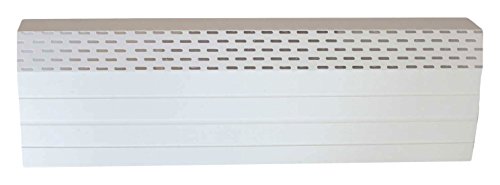
Type: Replacement front cover for baseboard heaters. Key Attributes: advertised as easy to install, cuttable with common household tools, and one size fits most for many common baseboard brands.
This product is a front cover replacement intended to refresh the appearance and restore proper airflow for older baseboard units. Installation typically involves slipping the panel over the existing heater assembly and securing endcaps where applicable. Because it is not the heater element itself, compatibility with electric vs. hydronic systems should be confirmed before purchase.
Call 888-896-7031 for Free Local HVAC Quotes – Compare and Save Today!
Features listed: easy install with no special tools required; can be trimmed to fit; designed to fit many common baseboard brands. Use this cover when the heating element is functioning but the exterior cover is damaged, rusty, or missing, and when dimensions align with your existing 6 ft unit.
Baseboarders Basic Series 6 Ft Galvanized Steel Cover
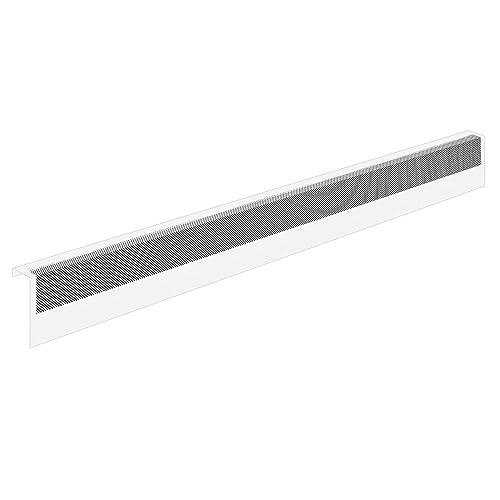
Type: Hydronic baseboard heater cover for 6 ft units. Key Attributes: galvanized steel construction with a lifetime protection guarantee against rust for normal use. Model #BC001-72 is specified for hydronic (water) systems only.
This Basic Series cover is engineered for hydronic radiators and is not recommended for electric baseboard heaters. The product emphasizes a simple, durable replacement panel for homes with hot-water baseboard systems. Installation is typically slip-on and straightforward for DIY homeowners, keeping the hot-water piping and fins enclosed while allowing airflow.
Features listed: 6 ft cover for hydronic systems only; lifetime rust protection; basic series intended for straightforward DIY replacement. Verify your system type (hydronic vs. electric) and measure pipe-to-pipe length before ordering to ensure compatibility.
Baseboard Heater Cover 3FT–6FT Retractable Galvanized Kit

Type: Adjustable/retractable galvanized steel cover kit that converts two 3 ft panels into a 6 ft cover. Key Attributes: includes end covers and an installation kit, allowing trimming and secure attachment for varied heater lengths.
The retractable design is useful when exact 6 ft sizing is uncertain or when you prefer a modular kit that can be used in multiple rooms. The kit typically contains the panels and endcaps, reducing the need to source separate components. Material is galvanized steel with a white powder-coated finish for improved corrosion resistance.
Features listed: two 3 ft panels plus end covers and installation hardware; adjustable length up to 6 ft; high-quality galvanized steel with white finish; suitable for hydronic systems and decorative replacement. Measure carefully and follow the included instructions for secure fitting and trimming if needed.
Buying Guide: How To Choose A 6 Ft Baseboard Heater Or Cover
Selecting the right 6 ft baseboard product means matching system type, electrical requirements, and physical fit. Use the sections below to evaluate important considerations.
1. Identify System Type: Electric vs Hydronic
Confirm whether your heating system is electric (contains a heating element and wiring) or hydronic (hot-water piping and fins). Electric baseboards require covers rated for electric use and specific wiring; hydronic covers are designed to slip over piping and fins and are not suitable for electric elements.
2. Measure Carefully
- Measure the overall length (end-to-end) — 6 ft corresponds to ~72 inches.
- For hydronic covers measure pipe-to-pipe length and note height and maximum depth of the existing unit.
- Allow ~0.5 inch clearance where recommended for slip-on covers; follow manufacturer trimming guides if provided.
3. Voltage, Wattage, And Wiring
For electric heaters, match the unit to your home’s voltage (120V, 240V, or 277V) and ensure the circuit wiring and breaker are sized for the heater’s wattage. Hard-wired units require an electrician unless you are qualified to perform electrical work per local code.
4. Material And Corrosion Resistance
Look for galvanized steel or powder-coated finishes for covers, and verify rust protection warranties for humid spaces like bathrooms. For heaters, durable elements and protective cutouts provide safety against overheating.
5. Safety Features
- Electric heaters: check for full-length safety cutouts or thermal protection.
- Covers: prefer single-panel designs that prevent direct contact with hot elements and maintain airflow.
6. Installation And Tools
Decide whether you need a simple slip-on cover or a hard-wired heater. Slip-on covers are generally DIY-friendly and often require only basic tools. Hard-wired electric heaters should be installed by a licensed electrician unless you have the appropriate training.
7. Aesthetics And Room Use
Choose a cover profile and finish that matches your trim and wall color. For bathrooms or rooms with children and pets, consider covers with single-panel construction and smaller grille openings to reduce accidental contact.
8. Compatibility And Accessories
Verify whether the cover is compatible with additional trim, end caps, or accessories offered by the brand. Adjustable kits work well for uncertain sizing but require careful trimming and finishing to prevent sharp edges.
9. Performance Considerations
For heating performance, electric baseboards with ribbon or fin elements provide efficient convection along the length. Covers should allow unimpeded airflow to avoid reducing heat transfer. Hydronic covers must not restrict hot-water convection within the unit.
10. Maintenance And Longevity
Regularly dust and vacuum grilles to maintain airflow. For trimmed covers, sand and treat cut edges to prevent rust. Choose galvanized or powder-coated finishes and check any warranty language on rust protection.
Comparing perspectives: weigh electrical requirements and safety (important for heaters) against material durability and fit (important for covers). Professional electrical installation and accurate measurement are the most common determinants of a successful replacement or upgrade.
Tips for Getting the Best HVAC Prices
- Prioritize Quality Over Cost
The most critical factor in any HVAC project is the quality of the installation. Don’t compromise on contractor expertise just to save money. - Check for Rebates
Always research current rebates and incentives — they can significantly reduce your overall cost. - Compare Multiple Quotes
Request at least three estimates before making your choice. You can click here to get three free quotes from local professionals. These quotes include available rebates and tax credits and automatically exclude unqualified contractors. - Negotiate Smartly
Once you've chosen a contractor, use the proven strategies from our guide — How Homeowners Can Negotiate with HVAC Dealers — to get the best possible final price.