
Finding the right indoor shop heater depends on garage size, fuel type, mounting preference, and safety features. Below is a quick comparison of five top heaters suited for indoor shops and workshops to help you match features to your space and needs.
| Product | Type | Key Strength |
|---|---|---|
| Comfort Zone Hard-Wired Ceiling Mount Garage Electric Space Heater | 240V Ceiling-Mount Electric | Ceiling-mount, fan-forced distribution |
| VENTISOL Electric Garage Heater 3000/4000/5000W | 240V Ceiling/Wall Electric | Multiple heat settings, built-in thermostat |
| Electric Garage Heater 4800-Watt, 240V Plug In Shop Heater (Barphygo) | 240V Ceiling-Mount Electric | Remote, timer, built-in thermostat |
| Mr. Heater F260560 Big Maxx MHU80NG | Natural Gas Unit Heater | High output for large shops (80,000 BTU) |
| Dura Heat EUH1465 Electric Forced Air Heater | 1500W Portable Forced Air | Compact PTC ceramic heater for small zones |
Content Navigation
- Comfort Zone Ceiling Mount Garage Electric Space Heater
- VENTISOL 3000/4000/5000W Ceiling Shop Heater
- Electric Garage Heater 4800-Watt 240V With Remote (Barphygo)
- Mr. Heater Big Maxx MHU80NG Natural Gas Unit Heater
- Dura Heat EUH1465 Electric Forced Air Heater With Pivoting Base
- Buying Guide: How To Choose The Right Indoor Shop Heater
- 1. Determine Heat Load And Coverage
- 2. Fuel Type: Electric Versus Gas
- 3. Mounting and Space Considerations
- 4. Heat Distribution And Control
- 5. Safety Features And Certification
- 6. Durability And Build Quality
- 7. Noise, Airflow, And Environmental Impact
- 8. Installation, Maintenance, And Operating Cost
- 9. Zoning And Supplemental Heating Strategy
- 10. Compliance And Local Codes
Comfort Zone Ceiling Mount Garage Electric Space Heater

This hard-wired, ceiling-mount electric heater is designed to save floor space in workshops, garages, and warehouses. The fan-forced design uses louvers and an adjustable mounting angle to direct airflow where needed, improving heat distribution in poorly insulated or high-ceiling spaces.
Constructed from heavy-gauge steel, the unit emphasizes durability and resilience to temperature fluctuations. Built-in safety includes overheat protection and a thermal cut-out switch. Hard-wired installation requires electrical knowledge or a qualified installer for 240V wiring.
Best For: Shops that need a permanent, overhead heat source without occupying floor or wall area and where a robust steel unit is preferred for commercial-like environments.
VENTISOL 3000/4000/5000W Ceiling Shop Heater

Call 888-896-7031 for Free Local HVAC Quotes – Compare and Save Today!
The VENTISOL electric heater offers three heat settings (3000W/4000W/5000W) and a built-in thermostat for flexible control in garages and workshops. Its ceiling mount design preserves floor space and includes a mounting bracket and hardware for installation.
Safety and certification are emphasized with an automatic overheat protection system and ETL listing. The heavy-gauge steel body is intended for durability and long service life. Output claims up to 17,065 BTU at max setting provide context for heating capacity.
Best For: DIYers and shop owners who want adjustable heat levels, built-in thermostat control, and a certified ceiling-mounted unit for year-round workshop comfort.
Electric Garage Heater 4800-Watt 240V With Remote (Barphygo)

This 4800-watt, 240V shop heater targets mid-size garages with rapid heating and wide coverage. Key features include a built-in thermostat, overheat protection, ETL certification, and a full-function remote with an 8-hour timer for convenient operation.
Heavy-duty steel construction and durable heating elements aim to support long-term use in work environments. The thermostat and sensor-based overheat protection help maintain set temperatures while protecting components from overheating.
Call 888-896-7031 for Free Local HVAC Quotes – Compare and Save Today!
Best For: Users wanting remote control, timer functions, and a mid-range electric heater that balances power and convenience for typical garage or workshop footprints.
Mr. Heater Big Maxx MHU80NG Natural Gas Unit Heater
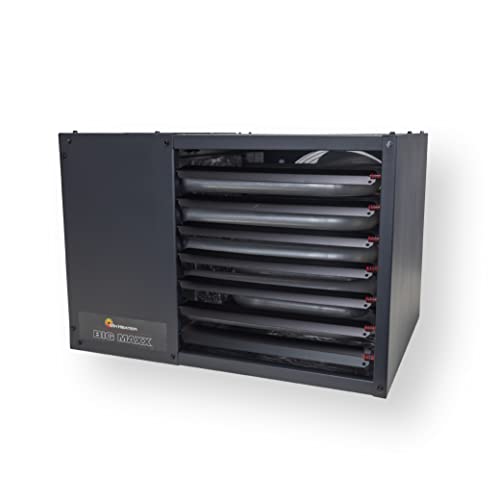
The Big Maxx is a high-capacity natural gas unit heater providing up to 80,000 BTU for large garages, shops, and light industrial spaces. It includes angle brackets and a propane conversion kit, though thermostat, hose, and regulator are not included.
Designed for substantial areas (coverage claims around 2,000 sq. ft), the heater supports category I vertical and category III horizontal venting and requires minimum clearances for safe installation. It operates on 120V electronics and should be installed by a qualified HVAC technician for gas and venting connections.
Best For: Large shops needing sustained, high-output heating where natural gas is available and professional installation for venting is practical.
Dura Heat EUH1465 Electric Forced Air Heater With Pivoting Base
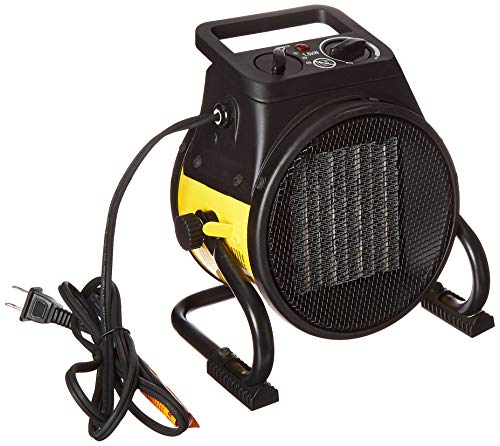
This compact 1500W PTC ceramic forced-air heater provides quick, zone-focused warmth for small areas within workshops or for supplemental heating. The pivoting base enables directional airflow and the unit offers heat and fan-only settings for year-round use.
Built with a steel body intended for rugged environments, it targets small workstations, benches, or intermittent spot heating needs. Being portable, it requires no permanent installation and is useful when temporary or mobile heating is preferred.
Best For: Small workstations or supplemental spot heating where portability and quick warm-up are priorities rather than whole-shop climate control.
Buying Guide: How To Choose The Right Indoor Shop Heater
Selecting an indoor shop heater requires balancing heat output, fuel type, installation, and safety. This guide covers the main decision factors for American shop and garage owners.
1. Determine Heat Load And Coverage
Calculate cubic footage (length × width × height) and consider insulation quality. Electric heaters list wattage (e.g., 3000W = ~10,236 BTU), while gas heaters list BTU output directly. Larger, uninsulated shops often need high-BTU gas or multiple electric units.
2. Fuel Type: Electric Versus Gas
- Electric Heaters: Simpler installation for 240V models, safer for enclosed indoor use when rated for indoor shop use, and require less venting or combustion management.
- Natural Gas/Propane Heaters: Higher heat output per unit for large spaces and usually lower operating cost where gas is available. Require proper venting, clearances, and professional installation for safety.
3. Mounting and Space Considerations
Ceiling-mounted units like the Comfort Zone and VENTISOL free up floor space and provide broad distribution. Portable units like Dura Heat allow repositioning for task-specific warmth. Choose wall/ceiling mounting if floor space is limited or for permanent installations.
4. Heat Distribution And Control
Fan-forced units provide faster, even heat distribution, while radiant or infrared units warm objects directly and can feel more efficient in spot heating. Built-in thermostats, remote controls, and timers enhance comfort and energy efficiency.
5. Safety Features And Certification
Look for ETL/UL listing, overheat protection, thermal cut-outs, tip-over switches (portable units), and required clearance specs. Gas units require certified venting and adherence to local codes. Prioritize certified models for insured, safe operation.
6. Durability And Build Quality
Shops often expose equipment to dust, knocks, and temperature swings. Heavy-gauge steel construction and robust components help prolong service life. Consider corrosion-resistant finishes for humid environments.
7. Noise, Airflow, And Environmental Impact
Fan-forced heaters create measurable airflow and noise; quiet operation matters for work that requires concentration. Gas heaters may have lower perceived noise but need ventilation. Consider environmental regulations or ventilation needs when using combustion heaters indoors.
8. Installation, Maintenance, And Operating Cost
- Electric units: Typically simpler installation (hard-wired or plug-in), routine checks of wiring and controls, predictable operating costs based on electricity price.
- Gas units: Require professional installation, annual inspection, venting maintenance, and safe fuel supply lines. Operating cost depends on local gas/propane pricing.
9. Zoning And Supplemental Heating Strategy
Instead of a single large heater, consider zoned heating—smaller electric units or radiant heaters near workstations—to reduce energy use and speed warm-up times. Combine ceiling units for whole-shop heat with portable spot heaters for immediate comfort.
10. Compliance And Local Codes
Confirm local building and fire codes for gas appliance installation, minimum clearances, and venting requirements. For commercial shops, ensure equipment meets workplace safety regulations and inspect insurance requirements before purchase and installation.
Using the factors above, match heater capacity and type to your shop layout, insulation, available utilities, and intended use patterns to secure effective, safe, and economical indoor heating for your workspace.
Tips for Getting the Best HVAC Prices
- Prioritize Quality Over Cost
The most critical factor in any HVAC project is the quality of the installation. Don’t compromise on contractor expertise just to save money. - Check for Rebates
Always research current rebates and incentives — they can significantly reduce your overall cost. - Compare Multiple Quotes
Request at least three estimates before making your choice. You can click here to get three free quotes from local professionals. These quotes include available rebates and tax credits and automatically exclude unqualified contractors. - Negotiate Smartly
Once you've chosen a contractor, use the proven strategies from our guide — How Homeowners Can Negotiate with HVAC Dealers — to get the best possible final price.