
Plug-in radiant heaters offer focused warmth without ductwork or complex installation. Below is a quick comparison of five practical, plug-in radiant heater options selected for varied room sizes and uses.
| Product | Type | Key Feature |
|---|---|---|
| Dreo Oil Filled Radiator | Oil-Filled Radiant | 1500W, digital thermostat, remote |
| PELONIS PHO15A2AGW | Oil-Filled Radiant | 1500W, 3 heat modes |
| EconoHome 400W Infrared Wall Heater | Infrared Wall Radiant | 400W plug-in stat, slim wall profile |
| ENVI Plug-In Electric Panel Heater | Panel Wall Radiant | Low-wattage 24/7 safe operation |
| GiveBest Programmable Space Heater | Plug-In Outlet Radiant | 450W programmable, LED display |
Content Navigation
Dreo Oil Filled Radiator, Electric Radiant Heater

The Dreo unit Is An Oil-Filled Radiator Designed For Indoor Use In Large Rooms. It Operates At 1500W With Seven Fins For Enhanced Heat Dispersion. The Product Emphasizes 360° Whole-Home Warmth And Claims Faster, Quieter Heat Distribution Compared To Some Competitors.
Safety Features Include Triple Overheat Protection, Tip-Over Cutoff, A Burn-Proof Plug, And ETL Listing. Comfort Controls Include A Digital Thermostat, Eco Mode, 24-Hour Timer, Remote Control, And Child Lock. The Quiet Operation Makes It Suitable For Bedrooms Or Offices.
Best Suited For Users Who Want A Plug-In Radiant Heater That Maintains Even, Long-Lasting Heat Without Forced-Air Noise. Installation Is Simple: plug in and set the thermostat or timer. The oil reservoir is sealed, requiring no refills.
PELONIS PHO15A2AGW Oil Filled Radiator

Call 888-896-7031 for Free Local HVAC Quotes – Compare and Save Today!
The PELONIS PHO15A2AGW Is A Basic Oil-Filled Radiator That Provides 1500W Maximum Output And Multiple Power Modes (600W/900W/1500W). It’s Built To Deliver Gentle, Long-Lasting Heat Through Convection From Heated Fins.
Key Features Highlighted Include Energy Efficiency Via Three Heat Settings For Lower Consumption And Quiet Operation Because There Is No Fan. The Unit Is Intended For Bedrooms, Small Living Areas, Or Offices Where Minimal Noise And Even Warmth Are Priorities.
The Simple Controls And Adjustable Thermostat Provide Basic Temperature Management. This model Is Appropriate For Users Seeking A Tried-and-true plug-in oil radiator With A Focus On Silent Operation And Mode-Based Power Savings.
EconoHome 400W Infrared Wall Heater With Plugin Stat

The EconoHome Unit Is A 400W Infrared Wall Heater That Plugs Into A Standard Outlet With A Built-In Plug-In Thermostat Option. It Uses Infrared Radiant Heat To Provide Focused, Quiet Warmth Without Moving Air.
Design Emphasizes A Slim, Wall-Mount Profile To Maximize Floor Space, Making It Useful For Small Rooms, Hallways, Or Areas Where A Low-Profile Heater Is Preferred. Infrared Heating Is Not Dependent On Air Flow, So It’s Less Impacted By Drafts.
Call 888-896-7031 for Free Local HVAC Quotes – Compare and Save Today!
This Heater Is Suitable For Those Seeking A Low-Wattage, fanless radiant solution That Minimizes Dust Circulation And Maintains Clean Air. Overheat Protection Is Included For Safety. Installation Typically Involves Mounting And Plugging Into An Accessible Outlet.
ENVI Plug-in Electric Panel Wall Heater
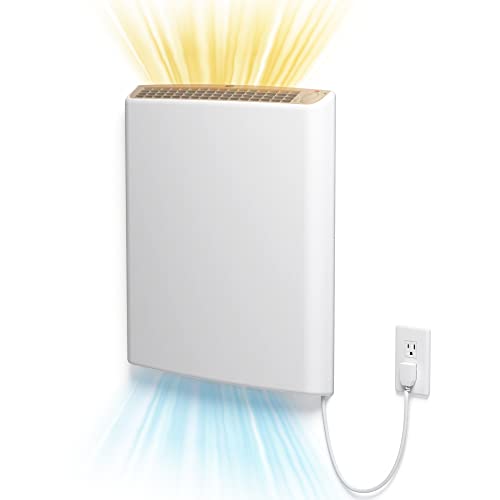
The ENVI Panel Is A Plug-In, Wall-Mounted Electric Heater Designed For Energy-Efficient 24/7 Heating. It Uses A Patented Fan-Less Stack Convection Design To Deliver Gentle Warmth At A Low Surface Temperature, Around 90°F.
Safety-Focused Features Include A Wall-Sense Sensor That Cuts Power If The Unit Is Removed From The Wall, And Overheat Protection. The Manufacturer Emphasizes Continuous Operation For Homes With Children, Elderly Residents, Or Pets.
Because It Avoids Blowing Air, The ENVI Panel Can Help Reduce Dust And Allergens Circulation And Preserve Humidity Levels. This model Is Appropriate For Point-Of-Use Heating Or As A Supplement To Central Heating In Frequently Used Rooms.
GiveBest Programmable Plug-in Space Heater With Thermostat

The GiveBest Is A Compact 450W Plug-In Wall Outlet Heater With A Programmable Thermostat, LED Display, And Timer. It Plugs Directly Into An Outlet And Is Intended For Small Rooms, Bathrooms, Or Supplemental Heating Needs.
Notable Features Include Low Energy Consumption, An Adjustable Temperature Range (60°F–90°F), A Rotatable 180° Plug For Flexible Outlet Positioning, And ETL Listing For Safety. The LED Display And Timer Enable Precise Control Over Operating Periods And Setpoints.
This Product Is Best For Users In Mild Climates Or Those Who Need Targeted Warmth For Short Durations. The Lower Wattage Means It Uses Less Electricity And Can Run On Standard Circuits Without Overload Concerns.
Buying Guide: How To Choose A Plug-In Radiant Heater
Selecting The Right Plug-In Radiant Heater Depends On Room Size, Heating Type, Safety Needs, And Energy Goals. Below Are Key Considerations To Compare Models Effectively.
Heat Type And How It Affects Performance
- Oil-Filled Radiators: Provide steady, long-lasting heat through warmed metal fins and sealed oil. They operate quietly and maintain temperature after power cycles but take longer to heat up.
- Infrared Radiant Heaters: Directly heat objects and people rather than the air. They offer nearly instant warmth and perform well in drafts or outdoor-covered spaces.
- Panel/Convection Heaters: Warm the air gently through convection; fan-less panels are quiet and reduce dust circulation, suitable for continuous background heating.
Wattage And Coverage
- Higher wattage (1000–1500W) suits medium to large rooms and faster warm-up. Low-wattage units (400–600W) are best for small spaces or supplemental heat.
- Estimate Room Needs: Use wattage per square foot as a rough guide—higher wattage for poorly insulated rooms; lower for tight, insulated spaces.
Controls, Programmability, And Thermostat Accuracy
- Digital Thermostats Provide tighter temperature control and can reduce energy use by preventing overshoot.
- Timers And Remote Controls Allow scheduled operation and convenience, ideal for bedrooms or offices.
- Programmable units help maintain comfort while optimizing energy consumption.
Safety Features To Prioritize
- Overheat Protection And Tip-Over Switches Prevent Accidents.
- ETL/UL/CSA Listings Indicate Compliance With Electrical Safety Standards.
- Child Locks, Cool-Touch Surfaces, And Wall-Sense Cutoffs Are Valuable In Homes With Children Or Pets.
Noise, Air Quality, And Comfort
- Fanless Designs Minimize Noise And Reduce Dust Circulation—better For Bedrooms And Allergy Sufferers.
- Oil-Filled And Panel Heaters Provide Gentler, Longer-Lasting Heat; Infrared Delivers Direct Warmth Quickly.
Installation, Footprint, And Portability
- Plug-In Wall Heaters Save Floor Space And Offer Semi-Permanent Placement.
- Portable Oil Radiators Or Tower Infrared Units Are Easy To Move Between Rooms.
- Consider Outlet Location, Cord Length, And Whether Wall Mounting Is Practical For Your Layout.
Energy Use And Operating Cost Considerations
- Lower Wattage Units Consume Less Power But Deliver Less Heat—match wattage to intended use.
- Advanced Thermostats And Eco Modes Can Reduce Run Times And Overall Energy Use.
- For Continuous Use, Look For Units Designed For 24/7 Operation With Low Surface Temperatures And Safety Sensors.
Comparison Perspectives
- Performance vs. Energy: 1500W oil radiators heat larger spaces faster but use more electricity than a 400W panel designed for small zones.
- Speed vs. Persistence: Infrared units give near-instant warmth but may not retain heat as long as oil-filled radiators once turned off.
- Air Quality vs. Airflow: Fanless and oil-filled designs minimize dust movement; fan-equipped products can circulate warm air faster but may stir particles.
Use These Factors To Match A Plug-In Radiant Heater To Your Space, Habits, And Safety Preferences. Compare Wattage, Heat Type, Safety Listings, And Control Features To Find The Best Fit For Targeted Home Comfort.
Tips for Getting the Best HVAC Prices
- Prioritize Quality Over Cost
The most critical factor in any HVAC project is the quality of the installation. Don’t compromise on contractor expertise just to save money. - Check for Rebates
Always research current rebates and incentives — they can significantly reduce your overall cost. - Compare Multiple Quotes
Request at least three estimates before making your choice. You can click here to get three free quotes from local professionals. These quotes include available rebates and tax credits and automatically exclude unqualified contractors. - Negotiate Smartly
Once you've chosen a contractor, use the proven strategies from our guide — How Homeowners Can Negotiate with HVAC Dealers — to get the best possible final price.