
Quick Overview: Infrared wall heaters provide targeted, instant warmth by heating surfaces and people rather than only air. Below is a snapshot of the five selected infrared wall heaters covered in this guide, highlighting brand, mount type, and notable features to help you compare at a glance.
| Product | Brand | Mount Type | Notable Feature |
|---|---|---|---|
| Heat Storm HS-1500-PHX-WIFI Infrared Heater | Heat Storm | Wall Mounted | Wi‑Fi control, digital thermostat |
| Heat Storm Deluxe Space 1000 Watt Infrared Wall Mount | Heat Storm | Wall Mounted | Space‑saving wall mount, safe touch grill |
| Infrared Space Heater 600W (Könighaus) | Könighaus | Wall Mounted | Low-watt options, 5-year warranty |
| Dr Infrared Heater DR-238 Carbon Infrared Outdoor Heater | DR. INFRARED HEATER | Wall/Ceiling Mount (Indoor/Outdoor) | IP55 rated for outdoor use, 3 power settings |
| Dyna-Glo IR30NMDG-1 30,000 BTU Natural Gas Infrared Wall Heater | Dyna-Glo | Wall Mounted (Natural Gas) | High-BTU radiant heat for large spaces |
Content Navigation
- Heat Storm HS-1500-PHX-WIFI Infrared Heater, Wifi Wall Mounted
- Heat Storm Deluxe Space 1000 Watt Infrared Wall Mount Electric Heater, White
- Infrared Space Heater 600W Wall-Mounted, Könighaus
- Dr Infrared Heater DR-238 Carbon Infrared Outdoor Heater
- Dyna-Glo IR30NMDG-1 30,000 BTU Natural Gas Infrared Wall Heater
- Buying Guide: How To Choose An Infrared Wall Heater
- 1. Heating Method And Intended Use
- 2. Power, Coverage, And BTU/Watt Ratings
- 3. Installation And Mounting Considerations
- 4. Controls, Smart Features, And Safety
- 5. Durability, Warranty, And Maintenance
- 6. Noise, Odor, And Comfort Experience
- 7. Energy Efficiency And Running Cost Perspectives
- 8. Sizing And Placement Tips
- 9. Comparison Perspectives
Heat Storm HS-1500-PHX-WIFI Infrared Heater, Wifi Wall Mounted

This wall-mounted infrared unit is designed for indoor spaces where remote connectivity and compact installation matter. The manufacturer lists Wi‑Fi enabled control so you can operate temperature settings from a smartphone app. The unit includes a touch screen with a digital thermostat and a remote, providing local and remote control options.
Safety features stated by the brand include tip-over shutoff (note: applicable more to portable models but listed) and a space-saving mount that preserves floor area. Typical room applications given are bedrooms, kitchens, and offices. The unit is marketed as a wall-mounted heater only, meaning it requires secure installation on a wall surface and suitable electrical supply.
Key listed features referenced: Wi‑Fi control, digital thermostat, remote, tip-over safety shutoff, and wall mount design.
Heat Storm Deluxe Space 1000 Watt Infrared Wall Mount Electric Heater, White

Call 888-896-7031 for Free Local HVAC Quotes – Compare and Save Today!
This Heat Storm model emphasizes infrared radiant heating designed to warm objects and surfaces so heat remains perceptible even after the unit cycles off. The manufacturer highlights a safe touch grill to reduce burn risk and an automatic shutoff if tipped, improving user safety in homes.
The wall-mounted format saves floor space and is positioned for rooms such as bathrooms, bedrooms, kitchens, and offices. The listed features point to a straightforward wall installation, a compact profile, and an infrared heating element intended for targeted warmth rather than whole-house heating.
Key listed features referenced: infrared object heating, safe touch grill, tip-over protection, wall mount design.
Infrared Space Heater 600W Wall-Mounted, Könighaus

Könighaus lists a range of wattages and coverage estimates for their infrared panels. The 600W version is described as suited for areas from roughly 86–142 ft², while a lower watt model covers smaller areas. The design is noted as a powder-coated aluminum frame with a minimalist look for unobtrusive wall mounting.
The brand states the heaters are maintenance-free and backed by a 5-year manufacturer warranty plus a satisfaction guarantee. Built-in protections such as over-heating protection are listed along with claims of quiet operation and quick surface warming. This unit targets users wanting a compact, energy-efficient infrared wall panel with warranty support.
Call 888-896-7031 for Free Local HVAC Quotes – Compare and Save Today!
Key listed features referenced: watt-specific heating coverage, 5-year warranty, powder-coated aluminum frame, over-heating protection, silent operation.
Dr Infrared Heater DR-238 Carbon Infrared Outdoor Heater
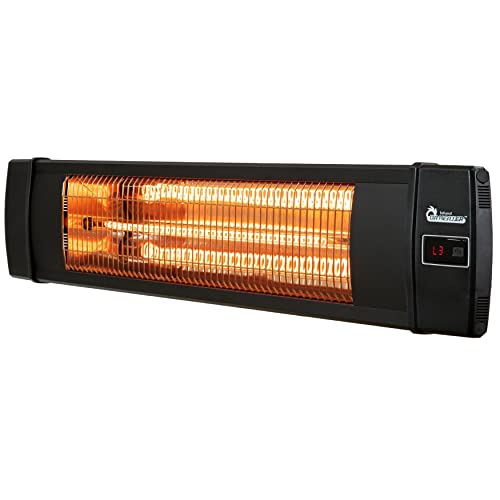
DR. INFRARED HERATER markets this carbon infrared model as IP55 rated, making it suitable for both indoor and outdoor installations such as patios, decks, garages, and open-air restaurant spaces. The IP rating indicates protection against dust and water jets, which is relevant for exterior-mounted infrared fixtures.
The unit offers three power settings (900W, 1200W, 1500W) for adjustable output and lists instant, odorless infrared heat. It uses a standard 120V supply and includes remote control for convenience. Listed features emphasize a plug-and-go setup and suitability for semi-exposed areas where a weatherproof infrared source is needed.
Key listed features referenced: IP55 indoor/outdoor rating, carbon infrared element, 3 power settings, remote control, standard 120V operation.
Dyna-Glo IR30NMDG-1 30,000 BTU Natural Gas Infrared Wall Heater

This Dyna-Glo unit is a high-output natural gas infrared wall heater intended for large indoor spaces or ventilated areas. The brand highlights infrared technology that radiates heat to warm objects first, similar to solar radiation, and lists up to 30,000 BTU/hr coverage for areas up to roughly 1,000 sq. ft.
Listed features indicate the unit is natural gas ready and designed as a wall-mounted radiant heater. Fuel conversion restrictions are noted by the manufacturer. This profile applies to utility areas, large garages, workshops, or commercial zones where hardwired gas infrastructure and venting configurations are suitable.
Key listed features referenced: natural gas readiness, infrared radiant heating, high BTU output, large-area capacity.
Buying Guide: How To Choose An Infrared Wall Heater
This buying guide covers key considerations when selecting an infrared wall heater. Use these factors to compare models across performance, installation, safety, and operating cost perspectives.
1. Heating Method And Intended Use
Infrared Radiant vs. Convection: Infrared wall heaters radiate heat to objects and people. They are effective for targeted warmth and can feel faster than convection units in a given spot. For whole-room, uniform air heating, consider complementary convection systems.
Indoor Versus Outdoor: Choose an IP-rated model for semi-exposed patios or decks (e.g., IP55). Indoor units need not have outdoor weatherproofing but should match room size and mounting constraints.
2. Power, Coverage, And BTU/Watt Ratings
Wattage and Coverage: Manufacturers list expected coverage per watt. Low-watt panels (300–600W) suit small rooms or zone heating. Higher watt or BTU-rated units cover larger spaces. Convert 1,000–3,000 watts or several thousand BTUs into expected square footage using manufacturer guidelines.
Fuel Type: Electric infrared heaters use household voltage (120V/240V). Gas infrared models provide higher BTU output for large spaces but require gas lines and proper venting. Match fuel type to the installation infrastructure and local code requirements.
3. Installation And Mounting Considerations
Wall Mounting Requirements: Verify wall structure, clearance, and mounting hardware. Some units are strictly wall-mounted and require secure fasteners and access to the correct electrical circuit or gas line.
Ceiling vs. Wall: Some models allow ceiling or wall mounting. Consider the direction of radiation and whether you prefer downward or horizontal heat projection for a specific space.
4. Controls, Smart Features, And Safety
Controls: Basic units offer manual or remote control. Smart models include Wi‑Fi, app control, schedules, and thermostat integration for remote temperature management.
Safety Features: Look for overheat protection, automatic shutoff, cool-touch grills, and tip-over sensors if portable. Gas units require certified installation, carbon monoxide considerations, and adherence to local codes.
5. Durability, Warranty, And Maintenance
Weatherproofing And Build: Outdoor-rated units should list IP ratings and corrosion-resistant materials. Indoor panels often emphasize low-profile design and powder-coated frames.
Warranty And Service: Warranty length varies; multi-year coverage or manufacturer support reduces long-term risk. Maintenance needs for electric infrared panels are typically low; gas units may require periodic inspection and servicing.
6. Noise, Odor, And Comfort Experience
Operation Noise: Infrared panels are often near-silent because they have no fan. Carbon infrared tube heaters may be quiet but can emit minor operational noises. Gas radiant heaters are typically quiet but may produce combustion sounds.
Odor: Electric infrared heat is odorless. Gas or newly installed units may have initial odors associated with materials or gas combustion; follow manufacturer break-in and ventilation guidance.
7. Energy Efficiency And Running Cost Perspectives
Efficiency: Infrared heaters convert electricity into radiant heat efficiently at point of use. However, energy cost depends on local electricity or gas rates and how effectively you zone heat the occupied spaces.
Zoning Strategy: Infrared wall heaters are well-suited to zone heating — heating the occupied area rather than the entire building — which can reduce overall energy usage when used strategically.
8. Sizing And Placement Tips
Calculate Load: Use manufacturer coverage estimates as a starting point. Consider ceiling height, insulation level, open doorways, and typical outdoor temperature when sizing.
Placement: Mount to face the primary seating or working area. Keep clearances from combustible materials as specified and follow minimum distance guidelines for user safety.
9. Comparison Perspectives
- Smart Control vs. Simplicity: Wi‑Fi models (e.g., Heat Storm HS-1500) offer convenience and scheduling, while simpler units may have lower upfront complexity.
- Electric Panels vs. Outdoor Carbon Tubes: Electric panels (Könighaus) are discreet and energy-efficient for indoor zones. Carbon tube models (DR-238) provide robust outdoor-resistant radiant heat for patios.
- Electric vs. Gas for Large Spaces: For very large garages or commercial spaces, gas infrared (Dyna‑Glo) supplies high BTU output but requires fuel infrastructure and professional installation.
Use the above criteria to match the heater type and features to your space, installation constraints, safety priorities, and energy preferences. Always consult product installation manuals and local codes before installing wall-mounted or gas-powered infrared heaters.
Tips for Getting the Best HVAC Prices
- Prioritize Quality Over Cost
The most critical factor in any HVAC project is the quality of the installation. Don’t compromise on contractor expertise just to save money. - Check for Rebates
Always research current rebates and incentives — they can significantly reduce your overall cost. - Compare Multiple Quotes
Request at least three estimates before making your choice. You can click here to get three free quotes from local professionals. These quotes include available rebates and tax credits and automatically exclude unqualified contractors. - Negotiate Smartly
Once you've chosen a contractor, use the proven strategies from our guide — How Homeowners Can Negotiate with HVAC Dealers — to get the best possible final price.