
Choosing the right standing infrared heater depends on space, safety features, and how you plan to use it—patio, garage, therapy, or indoor rooms. Below is a quick comparison of five well-rated standing infrared heaters and lamps to help narrow choices before deeper product details.
| Product | Power / Type | Best For |
|---|---|---|
| SereneLife Infrared Patio Heater | 1500W Electric Standing | Outdoor patio & decks |
| EAST OAK Patio Heater (Gold Lamp) | 1500W Infrared | Patio with low-glare light |
| Heat Storm Phoenix HS-1500-PHX | 750–1500W Infrared | Small rooms, wall or floor |
| Dr Infrared Heater Portable | 1500W Dual-System | Large indoor rooms |
| LHCYLDQ 275W Infrared Light Lamp | 275W Near-Infrared Therapy Lamp | Pain relief & localized therapy |
Content Navigation
SereneLife 1500W Infrared Patio Heater

This 1500W electric standing patio heater provides near-instant infrared warmth without gas or propane. Key characteristics include three power settings, a remote control for convenience, and high-efficiency carbon fiber elements rated around 88% efficiency. The unit is built for outdoor conditions with an IP24-rated aluminum alloy frame and stainless steel base cover to resist corrosion. Safety features and odorless operation are noted, making it suitable for covered patios, decks, or outdoor dining setups where direct radiant heat and quick startup are priorities.
EAST OAK 1500W Patio Infrared Heater
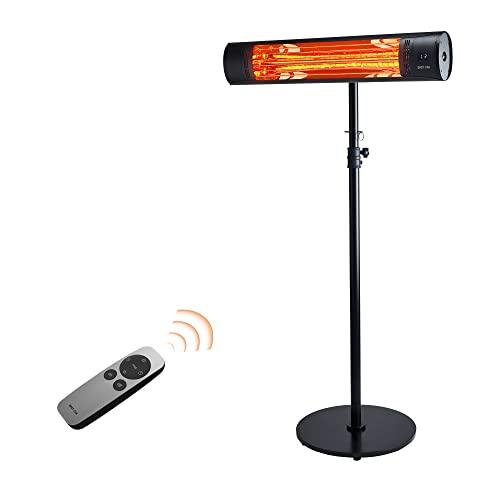
The EAST OAK patio heater emphasizes instant heat and low-glare operation. Using a patented gold-coated heating lamp and infrared technology, the unit claims nearly instant warmth with reduced visible glare—useful when lighting ambiance matters. It offers three heat settings (1000W–1500W) and a 24-hour timer. The manufacturer states improved light filtering to soften harsh lamp glow while maintaining heat transfer efficiency. IP65-level protection and tip-over/overheat safeguards are included for outdoor and semi-enclosed indoor use, recommended for porches, terraces, and gatherings where visual comfort is as important as heat.
Heat Storm Phoenix HS-1500-PHX Infrared Heater

Call 888-896-7031 for Free Local HVAC Quotes – Compare and Save Today!
The Heat Storm Phoenix is a compact, versatile infrared space heater with two power modes (750W and 1500W). It uses patented heat exchanger technology designed to work with room humidity to deliver soft heat without drying air or reducing oxygen. The unit supports floor placement or wall mounting with removable feet, and includes a remote control. This model is positioned for indoor rooms or small office spaces where portability and gentle infrared heating are desired rather than high-output outdoor patio coverage.
Dr Infrared Heater Portable 1500-Watt
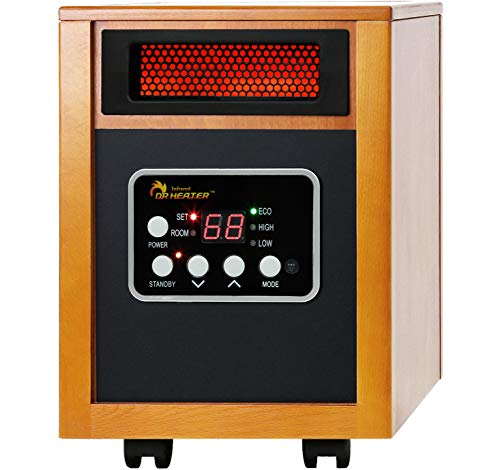
The Dr Infrared Heater combines infrared quartz tubes with a PTC ceramic fan for dual heating and higher effective output. Rated for large rooms, it includes an auto energy-saving mode, tip-over and overheat protection, a 12-hour timer, and a remote. The incorporated blower increases heat distribution and can be an advantage in spaces needing faster, more even warming. This standing model suits indoor living rooms, basements, or workspace heating where supplemental heat and wider coverage are required.
LHCYLDQ 275W Near Infrared Therapy Lamp

This standing lamp is a near-infrared therapy unit using a 275W high-power bulb designed for localized pain relief. The head rotates 360 degrees, the arms are adjustable, and the floor stand has four casters for mobility. The product is positioned for short therapy sessions (5–20 minutes) targeting muscle soreness, joint aches, and circulation improvement by converting absorbed near-infrared energy to heat that penetrates tissue. It differs from patio heaters by focusing on therapeutic penetration rather than general space heating.
Buying Guide: How To Choose A Standing Infrared Heater
Selecting the right standing infrared heater requires evaluating heating needs, safety features, placement, and energy use. Below are the core considerations to compare models objectively.
Call 888-896-7031 for Free Local HVAC Quotes – Compare and Save Today!
1. Intended Use And Heat Output
- Outdoor Patio/Deck: Look for IP-rated units (IP24–IP65) and 1500W infrared elements for effective radiant warmth at seating height.
- Indoor Room Heating: Models with 750–1500W and optional fan or dual heating systems distribute heat faster in enclosed spaces.
- Therapy / Localized Use: Lower wattage near-infrared lamps (e.g., 275W) focus energy for penetration rather than room warming.
2. Efficiency And Heat Technology
- Carbon Fiber vs. Quartz vs. Ceramic: Carbon fiber elements often provide quick radiant heat; quartz tubes combine with PTC for broader distribution; ceramic/PTC may offer controlled convection assistance.
- Thermal Efficiency: Look for manufacturer efficiency claims and consider that radiant heaters transfer heat directly to objects and people, reducing wasted room heating.
3. Safety Features
- Tip-Over Protection: Essential for freestanding units used in high-traffic areas or homes with pets and children.
- Overheat Shutoff: Prevents damage from prolonged operation or blocked airflow around the heater.
- Safety Guards: Mesh guards or grills reduce direct contact risk with hot elements, especially for therapy lamps or low-mounted heaters.
4. Weather Resistance And Placement
- IP Rating: For outdoor use choose IP24 or higher for splash protection; IP65 offers dust and waterproof protection for exposed environments.
- Mounting Flexibility: Some units are floor-standing and wall-mountable; adjustable height or tilt improves targeted coverage.
5. Controls, Convenience, And Extras
- Remote Control & Timers: Useful for convenience and energy management, particularly for patio heaters used during gatherings.
- Multiple Heat Settings: Allow tailoring output to conditions and can reduce power draw when full output is unnecessary.
- Mobility: Wheels or lightweight designs help move indoor units between rooms.
6. Coverage Area And Placement Strategy
- Radiant Directionality: Infrared heaters provide directional warmth; placement aiming at seated areas yields the most perceived warmth.
- Height & Distance: For patio heaters, place at a height and distance recommended by the manufacturer to maximize comfort and safety.
7. Energy Use And Operating Cost
- Wattage: Higher wattage gives more output but draws more power. Consider 750W for small spaces, 1500W for larger or outdoor exposure.
- Efficiency Features: Timers, adjustable settings, and targeted radiant heating help reduce run time and electricity consumption.
8. Specific Use Cases And Comparison Perspectives
- Outdoor Dining / Restaurants: Prioritize IP-rated models with low glare and remote/timer options for customer comfort.
- Home Living Rooms: Consider units with broader distribution (fan-assisted or dual systems) for faster, even warmth.
- Physical Therapy: Choose near-infrared lamps designed for short, localized sessions with adjustable heads and safety guards.
- Portability vs. Permanence: Freestanding heaters offer mobility; wall-mountable models provide permanent, space-saving installation.
When comparing specific models, match the heater’s rated power, protection level, and safety features to the intended environment to ensure both effective performance and safe operation.
Tips for Getting the Best HVAC Prices
- Prioritize Quality Over Cost
The most critical factor in any HVAC project is the quality of the installation. Don’t compromise on contractor expertise just to save money. - Check for Rebates
Always research current rebates and incentives — they can significantly reduce your overall cost. - Compare Multiple Quotes
Request at least three estimates before making your choice. You can click here to get three free quotes from local professionals. These quotes include available rebates and tax credits and automatically exclude unqualified contractors. - Negotiate Smartly
Once you've chosen a contractor, use the proven strategies from our guide — How Homeowners Can Negotiate with HVAC Dealers — to get the best possible final price.