
Radiator style electric heaters (oil-filled radiators) provide quiet, consistent warmth ideal for bedrooms, offices, and living rooms. This guide compares five top models chosen for safety features, heat output, and size to help you pick the right unit for your space.
| Product | Brand | Key Feature |
|---|---|---|
| Comfort Zone Electric Oil-Filled Radiant Radiator (CZ7007J) | Comfort Zone | Adjustable Thermostat, 3 Heat Settings, Whisper-Quiet |
| Dreo Oil Filled Radiator (1500W) | Dreo | Remote, 4 Modes, 1500W, 7 Fins |
| Amazon Basics Portable Oil Radiator Heater (1500W) | Amazon Basics | 7 Oil-Filled Steel Fins, 3 Heat Settings |
| De’Longhi Oil Filled Radiant Heater (TRH0715) | De’Longhi | Thermal Slot Design, Anti-Freeze Function |
| Dreo Radiator Heater (8-Fin, 1500W) | Dreo | 8 Fins, 24H Timer, Multiple Safety Layers |
Content Navigation
Comfort Zone Electric Oil-Filled Radiator Heater

The Comfort Zone CZ7007J is a compact oil-filled radiator designed for quiet, steady heat. It offers an adjustable thermostat and three power settings (500W, 700W, 1200W) to tailor output to room size or comfort needs. The unit emphasizes whisper-quiet operation, making it suited for bedrooms or offices where noise is a concern.
Safety features include tip-over switch and overheat protection, common to oil radiators. The slim footprint helps in smaller rooms; portability allows relocating the heater where needed. The CZ7007J aims to provide efficient, persistent warmth without fan noise or maintenance.
Dreo Oil Filled Radiator With Remote Control

Dreo’s oil-filled radiator delivers 1500W with seven advanced fins engineered for faster, more even heat dispersion. The product highlights rapid heat delivery and a design meant to boost efficiency through larger surface area per fin.
Call 888-896-7031 for Free Local HVAC Quotes – Compare and Save Today!
Controls include a digital thermostat, multiple modes including an eco mode, a remote control, and a 24-hour timer. Safety and certification notes mention triple overheat protection, tilt protection, and fire-resistant materials, supporting use in family spaces where additional safeguards are preferred.
Amazon Basics Portable Oil Radiator Heater

The Amazon Basics portable oil radiator features seven oil-filled steel fins and three heat settings (1500W, 1000W, 600W). It emphasizes long-lasting residual heat that keeps a room warm after the unit cycles off, due to the heat retention of the oil and fins.
The unit is ETL-certified and lists overheat protection. Its design focuses on straightforward, manual controls without advanced digital functions, appealing to users preferring simple operation and reliable, quiet heat for small to medium spaces.
De’Longhi Oil Filled Radiant Heater TRH0715
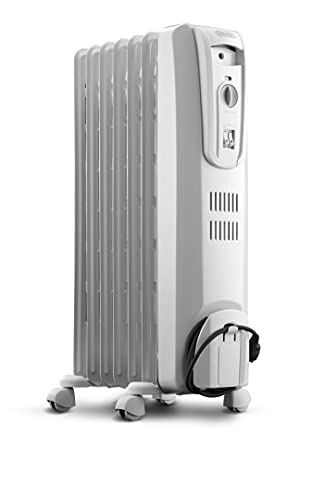
The De’Longhi TRH0715 focuses on gentle, allergy-friendly heating with no fan to stir dust and pollen. It features an exclusive thermal slot design intended to maximize airflow while maintaining a relatively low surface temperature.
Call 888-896-7031 for Free Local HVAC Quotes – Compare and Save Today!
Controls are simple, allowing easy adjustment of power level and temperature. The model includes an anti-freeze function and practical safety elements. The design is positioned toward users who want silent, low-dust heat with proven brand reputation in oil radiator technology.
Dreo Radiator Heater 8-Fin Wide Coverage

This Dreo model expands surface area with eight M-shaped fins for wider, more even heat dispersion. Rated at 1500W, it emphasizes quick heating across larger rooms and enhanced dissipation area compared to smaller-fin alternatives.
Safety is a major focus: the unit incorporates tip-over protection, multiple overheat safeguards, a flame-retardant exterior, and ETL certification. Controls include a digital thermostat, remote, multiple modes, and a 24-hour timer, giving flexible scheduling and temperature management for occupied and unoccupied hours alike.
Buying Guide: How To Choose A Radiator Style Electric Heater
Choosing the right oil-filled radiator depends on room size, control preferences, safety features, and placement. Below are core factors to consider with multiple comparison perspectives.
Heat Output And Room Size
- Wattage: Units at 1500W generally provide effective heat for medium rooms; lower wattage models (700W–1200W) are better for small rooms or supplemental heat.
- Fins And Surface Area: More fins and advanced fin shapes increase surface area and even heat dispersion. Consider 7–8 fin models for wider coverage.
- Heat Retention: Oil-filled radiators provide residual heat after cycling off, offering extended warmth with lower energy fluctuations.
Controls And Features
- Thermostat Type: Mechanical knobs are simple and reliable; digital thermostats offer tighter temperature control and programmable schedules.
- Modes & Timers: Eco or low-power modes and 24-hour timers help conserve energy and allow automatic on/off scheduling.
- Remote Control: Remote operation adds convenience for placement away from seating or bed areas.
Safety And Certifications
- Tip-Over Protection: Essential for freestanding units in homes with pets or children.
- Overheat Cutoff: Prevents temperatures from rising to unsafe levels during prolonged operation.
- Material Ratings & Certification: Look for ETL or UL listing and flame-retardant housing for enhanced safety assurances.
Noise, Air Quality, And Comfort
- Noise Level: Oil-filled radiators operate quietly because they lack fans — choose models expressly marketed as whisper-quiet for bedrooms.
- Air Quality: Without fans, radiators minimize dust circulation, beneficial for allergy-sensitive users.
- Surface Temperature: Some designs aim to keep outer surfaces cooler to reduce scald risk; consider this for households with children.
Portability, Footprint, And Placement
- Size And Weight: Compact units suit tight spaces; larger-fin units offer better distribution but take more floor space.
- Handles And Wheels: For moving between rooms, look for integrated wheels or handles.
- Placement Tips: Position away from curtains and furniture to ensure unobstructed heat flow and maintain safety clearances.
Energy Efficiency And Operation Costs
- Thermostat Control: Accurate thermostats and eco modes reduce runtime by maintaining a set temperature rather than constant full-power operation.
- Residual Heat: Oil-filled models maintain warmth after shutoff, which can lower total energy usage compared to fan heaters that cool instantly when off.
- Usage Patterns: For continuous low-level heat (e.g., bedrooms at night), lower-wattage units with thermostats can be more efficient. For occasional quick heat, higher-wattage units shorten warm-up time.
Comparative Perspectives
- Budget vs. Features: Simpler models (manual controls) are typically lower-cost and durable. Digital models add convenience and scheduling for a higher upfront cost.
- Coverage vs. Footprint: Models with more fins or higher wattage cover larger areas but require more floor space. Smaller rooms benefit from compact units with adequate wattage.
- Brand & Support: Established manufacturers often provide clearer documentation and customer support. Consider warranty and support options when selecting a model.
Use these considerations to match a radiator heater to your room size, safety needs, and control preferences. Comparing fin count, wattage, thermostat precision, and safety certifications will help narrow options to the most suitable models for consistent, quiet warmth.
Tips for Getting the Best HVAC Prices
- Prioritize Quality Over Cost
The most critical factor in any HVAC project is the quality of the installation. Don’t compromise on contractor expertise just to save money. - Check for Rebates
Always research current rebates and incentives — they can significantly reduce your overall cost. - Compare Multiple Quotes
Request at least three estimates before making your choice. You can click here to get three free quotes from local professionals. These quotes include available rebates and tax credits and automatically exclude unqualified contractors. - Negotiate Smartly
Once you've chosen a contractor, use the proven strategies from our guide — How Homeowners Can Negotiate with HVAC Dealers — to get the best possible final price.