
Keeping your RV basement and underbelly warm protects plumbing, tanks, and living space. Below is a quick comparison of five practical solutions that suit different RV setups, from built-in wall heaters to portable units and tank heating pads.
| Product | Type | Key Feature |
|---|---|---|
| Heat Storm HS-1500-PHX-WIFI | Wall-Mounted Infrared Heater | Wi‑Fi control, slim wall mount |
| Suburban Wall Mount RV Electric Heater | Factory-Style Wall Heater | Slim profile, adjustable thermostat |
| Mr. Heater Portable Buddy MH9BX | Portable Propane Radiant Heater | 4,000–9,000 BTU, infrared radiant |
| RV Holding Tank Heater Pad (3-Pack) | Tank Heating Pads | Automatic thermostat for tanks |
| Xtreme Heaters Boat, Cabin, & RV Heater | Portable Electric Space Heater | Low profile, tip‑over safety |
Content Navigation
- Heat Storm HS-1500-PHX-WIFI Infrared Heater, Wifi Wall Mounted
- Suburban Wall Mount RV Electric Heater, Thin Black
- Mr. Heater Portable Buddy MH9BX 4,000-9,000 BTU
- RV Holding Tank Heater Pad, 3PCS 12″x18″ With Thermostat
- Xtreme Heaters Boat, Cabin, & RV Heater
- Buying Guide: Choosing The Right RV Basement Heater
Heat Storm HS-1500-PHX-WIFI Infrared Heater, Wifi Wall Mounted

The Heat Storm HS-1500 is a slim, wall-mounted infrared heater designed to save floor space while providing targeted warmth. It includes Wi‑Fi control enabling temperature adjustments from a smartphone. Built-in safety features include tip-over shutoff (for portable placement variants) and a digital thermostat with touchscreen and remote.
For RV basements or compartments with limited clearance, the space-saving wall mount design reduces intrusion into the living area. Infrared radiant heat warms surfaces and objects directly, which can be effective in small spaces where convective airflow is limited. The integrated thermostat helps maintain steady temperatures and reduces unnecessary runtime.
Suburban Wall Mount RV Electric Heater, Thin Black

The Suburban Wall Mount Electric Heater is built specifically for RV interiors where a discreet, low-profile heater is preferred. At less than 5 inches thick, it mounts unobtrusively and delivers adjustable heat via a variable thermostat and single-speed fan for gentle distribution.
Call 888-896-7031 for Free Local HVAC Quotes – Compare and Save Today!
This model is suitable for maintaining interior comfort and can help keep underbelly and basement areas from dropping below critical temperatures when installed with circulation in mind. The design mirrors OEM RV heaters and integrates well into existing cabinetry or wall panels where space and finish continuity matter.
Mr. Heater Portable Buddy MH9BX 4,000-9,000 BTU
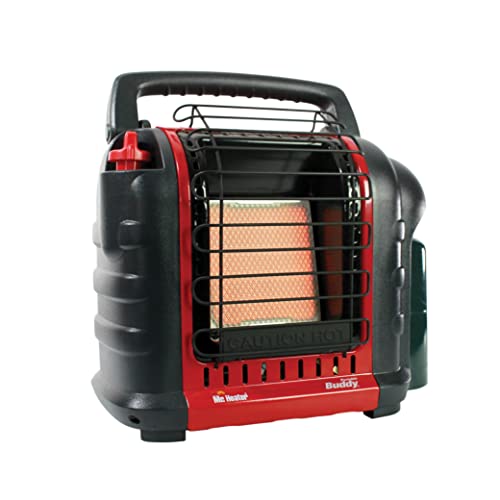
The Mr. Heater Portable Buddy is a propane-powered radiant heater providing 4,000–9,000 BTUs and designed for indoor-safe operation in well-ventilated areas. It produces direct, sun-like warmth that heats objects and people efficiently, making it useful for quickly warming a small basement space or work area.
Safety enhancements include an improved tip-over switch and a reliable piezo igniter that requires no external flame source. Because it’s portable and does not rely on shore power, the unit can be used in winter camping scenarios where electrical capacity is limited, although adequate ventilation and CO monitoring are essential for propane use inside enclosed RV spaces.
RV Holding Tank Heater Pad, 3PCS 12″x18″ With Thermostat

These tank heater pads are designed to keep fresh, grey, and black water tanks warm to prevent freezing. Each 12″x18″ pad includes an automatic thermostat that cycles on at about 45°F and off at about 68°F, offering hands-free protection during cold conditions.
Call 888-896-7031 for Free Local HVAC Quotes – Compare and Save Today!
Heater pads are a targeted solution for basement tanks and underbelly plumbing: they adhere to the tank surface and deliver steady warmth to the liquid and plumbing fittings. This approach minimizes energy use compared to heating entire compartments and is often recommended as part of a cold-weather kit for RVs, trailers, and boats.
Xtreme Heaters Boat, Cabin, & RV Heater

The Xtreme Heaters portable electric heater is intended for small enclosed spaces like RV compartments, cabins, and boats. It emphasizes quiet operation, a low profile for placement against walls, and tip-over protection that shuts the unit off automatically if it falls.
As an electric plug-in option, it’s convenient when shore power or generator power is available. This unit can supplement in-cab heating or be positioned to help warm a specific basement or underbelly access hatch when combined with adequate airflow and insulation measures.
Buying Guide: Choosing The Right RV Basement Heater
Selecting the correct heater for an RV basement depends on space, power availability, insulation, and the components you want to protect. Below are practical factors to weigh when comparing options.
Heating Purpose
- Protect Tanks and Pipes: Use targeted solutions like tank heater pads or insulation blankets to prevent freezing where it matters most.
- Warm The Living Area Or Basement Space: Wall-mounted electric heaters and portable electric units evenly raise ambient temperature for the compartment.
- Temporary Or Off-Grid Heat: Propane radiant heaters provide heat without relying on 120V power but require proper ventilation and CO monitoring.
Power Source And Availability
- AC Electric Heaters: Require shore power or generator; ideal for campsites and long stays with hookups.
- Propane Heaters: Useful off-grid; do not require electrical power but need ventilation and safety devices (CO and propane leak detectors).
- Low-Voltage Options: Minimal for tank pads (120V typical) — check voltage and amperage to ensure compatibility with your RV’s electrical system.
Installation And Space Constraints
- Wall-Mounted Heaters: Best for permanently heating compartments and maintaining aesthetics; consider depth and clearance.
- Portable Heaters: Flexible placement; avoid obstructing exits or storage. Ensure tipping protection and stable placement.
- Tank Pads: Easy adhesive installation on tanks — plan access and routing for power cords and thermostat placement.
Safety Features
- Tip-Over Protection: Essential for portable units; shuts off if the heater tips.
- Overheat Cutoff: Prevents damage if airflow is restricted or the unit overheats.
- Carbon Monoxide And Propane Monitoring: Required when using combustion heaters in or near enclosed spaces; install alarms for inhabited RVs.
Heat Distribution And Efficiency
- Radiant Vs Convective Heat: Radiant heaters (infrared, propane radiant) warm objects directly and feel warmer quickly; convective heaters rely on air circulation and may heat more evenly over time.
- Thermostats And Controls: Thermostatic control saves energy and maintains steady temperatures; Wi‑Fi or remote control adds convenience.
- Targeted Heating: For plumbing protection, targeted pads are more efficient than trying to heat the entire underbelly.
Durability And Weather Considerations
- Vibration And Movement: Choose units and mounting methods that withstand travel vibrations if installed in a basement that shifts during transit.
- Moisture Resistance: Protective housings and proper sealing help prevent damage in damp basement areas.
- Cold Performance: Some tankless systems and heaters claim high-altitude or cold-weather performance; verify manufacturer specs for extreme conditions.
Maintenance And Monitoring
- Regular Inspection: Check wiring, mounting brackets, and pad adhesion seasonally.
- Alarm Systems: Complement heaters with water leak and smoke/CO alarms to catch failures early.
- Filter And Fan Care: For fan-driven heaters, keep vents clear and clean to maintain airflow and efficiency.
Comparison Perspectives
- Cost To Run: Electric heaters depend on shore power costs and may draw significant amperage; propane units consume fuel but conserve electrical capacity.
- Installation Complexity: Wall-mount and hardwired units require more installation effort than plug-in or adhesive tank pads.
- Scope Of Protection: Tank pads protect plumbing specifically; small room heaters and wall units protect interiors and indirect basement spaces; propane radiant heaters provide quick, direct warmth for temporary needs.
Use this guide to match your RV layout and cold-weather needs with the heating solution that balances safety, efficiency, and installation practicality.
Tips for Getting the Best HVAC Prices
- Prioritize Quality Over Cost
The most critical factor in any HVAC project is the quality of the installation. Don’t compromise on contractor expertise just to save money. - Check for Rebates
Always research current rebates and incentives — they can significantly reduce your overall cost. - Compare Multiple Quotes
Request at least three estimates before making your choice. You can click here to get three free quotes from local professionals. These quotes include available rebates and tax credits and automatically exclude unqualified contractors. - Negotiate Smartly
Once you've chosen a contractor, use the proven strategies from our guide — How Homeowners Can Negotiate with HVAC Dealers — to get the best possible final price.