
Overview: This guide compares top indoor kerosene heaters and related indoor portable heaters relevant to searching for a kerosene model with a thermostat-style temperature control or adjustable output. Below is a quick comparison table of the selected products and key specs to help you scan features before detailed reviews.
| Product | Brand | BTU | Estimated Coverage | Notable Feature |
|---|---|---|---|---|
| Dyna-Glo WK24BK | Dyna-Glo | 23,800 | Up to 1,000 sq. ft. | No electricity needed |
| Sengoku HeatMate 23,500 | HeatMate (Sengoku) | 23,500 | Up to 1,000 sq. ft. | Portable, safety shutoffs |
| Dyna-Glo WK95C8 | Dyna-Glo | 23,800 | Up to 1,000 sq. ft. | Convection heating |
| Dura Heat DH1051 | Dura Heat | 10,500 | Up to 400–999 sq. ft. | 360° heating, long run time |
| Dyna-Glo RMC-55R7 | Dyna-Glo | 10,000 | Up to 500 sq. ft. | Radiant heating, no electricity |
Content Navigation
- Dyna-Glo WK24BK 23,800 BTU Convection Heater
- Sengoku HeatMate 23,500 BTU Portable Heater
- Dyna-Glo WK95C8 23,800 BTU Indoor Convection Heater
- Dura Heat DH1051 10,500 BTU Indoor Kerosene Heater
- Dyna-Glo RMC-55R7 10,000 BTU Radiant Heater
- Buying Guide: Choosing An Indoor Kerosene Heater With Temperature Control
Dyna-Glo WK24BK 23,800 BTU Convection Heater
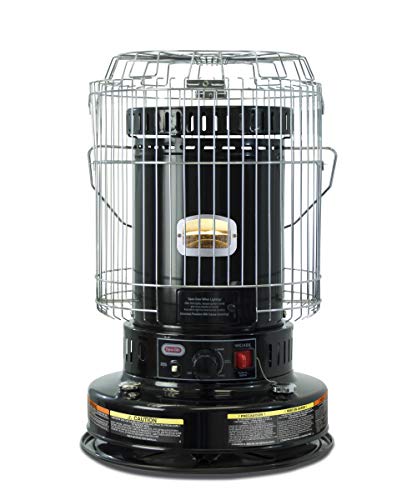
Brand: Dyna-Glo. Key Features: 23,000+ BTU output, rated to heat up to approximately 1,000 sq. ft., and operates without electricity. This model is a convection-style kerosene heater intended for whole-room warming by circulating heated air.
This heater emphasizes high heat output and the ability to run independent of mains power, useful in outages. Convection design moves warm air through the space rather than relying solely on radiant heat. Safety and fuel management are core considerations with any kerosene heater; this unit is built for indoor use where ventilation and proper fuel handling are observed. Note that many convection kerosene heaters offer adjustable output but may not include a precise electronic thermostat; they typically use manual controls and wick adjustments to regulate heat.
Sengoku HeatMate 23,500 BTU Portable Heater
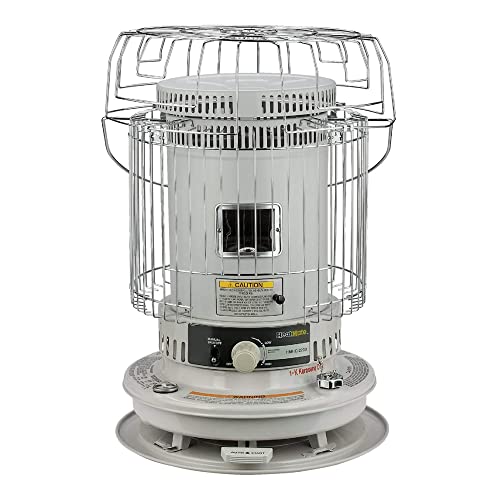
Brand: HeatMate (Sengoku). Key Features: 23,500 BTU output, 1.9-gallon tank for up to about 12 hours of runtime, automatic shut-off, tip-over switch, and safety guard grills. Designed for indoor and outdoor use with cordless operation.
Call 888-896-7031 for Free Local HVAC Quotes – Compare and Save Today!
This unit targets users seeking a high-output portable kerosene heater with built-in safety cutoffs. The built-in safety features such as tip-over shutoff and automatic fuel shutoff reduce some risks associated with unattended operation. While marketed for indoor use, effective operation requires following ventilation guidance and safe fuel practices. Like many kerosene models, it uses manual heat control rather than an electronic thermostat; however, the fuel capacity and run time offer predictable heat duration for temporary temperature control.
Dyna-Glo WK95C8 23,800 BTU Indoor Convection Heater

Brand: Dyna-Glo. Key Features: High BTU convection heating, no electricity requirement, rated for rooms up to 1,000 sq. ft. Designed as a mains-independent option for larger indoor spaces.
This Dyna-Glo convection model shares similar performance specs with other high-output kerosene convection heaters. The absence of electric components makes it reliable during outages but also means temperature control is generally mechanical or wick-based. For users needing a precise thermostat, pairing with safe thermostat-enabled circulating devices or choosing an electric heater with thermostat may be alternatives. For large, poorly insulated spaces, convection kerosene units provide robust baseline heat when used with appropriate ventilation.
Dura Heat DH1051 10,500 BTU Indoor Kerosene Heater

Brand: Dura Heat. Key Features: 10,500 BTU output, 360-degree heating pattern, operates up to 15 hours on 1.1 gallons of fuel, suitable for medium rooms.
Call 888-896-7031 for Free Local HVAC Quotes – Compare and Save Today!
This lower-BTU option is intended for smaller indoor spaces or supplemental heating. The 360-degree design offers more even local radiant heat around the unit, which can feel more consistent at shorter ranges. Runtime efficiency is a notable advantage for extended use. As with other kerosene products, precise electronic thermostats are uncommon; temperature regulation is typically by wick adjustment and burn rate. For controlled room temperature, this model is best paired with monitoring and manual adjustments or used as a zone heater alongside thermostatic systems.
Dyna-Glo RMC-55R7 10,000 BTU Radiant Heater

Brand: Dyna-Glo. Key Features: 10,000 BTU radiant output, best for focused heating up to about 500 sq. ft., operates without electricity.
Radiant kerosene heaters provide direct, localized warmth and typically heat occupants and nearby objects faster than convection models. This Dyna-Glo radiant unit is suitable for smaller rooms or areas where immediate direct heat is preferred. Radiant heaters often create distinct warm zones rather than whole-room uniform temperature. They are straightforward to operate and offer efficient spot heating; however, they generally lack built-in electronic thermostats. Users seeking thermostat control may opt for a compatible room thermostat controlling circulation fans or consider electric PTC heaters with built-in thermostats for precise setpoint management.
Buying Guide: Choosing An Indoor Kerosene Heater With Temperature Control
Finding an indoor kerosene heater that provides thermostat-style temperature control requires understanding the typical features and safety trade-offs of kerosene models compared to electric heaters.
Thermostat vs Manual Output
- Most Kerosene Heaters Use Manual Control: Many indoor kerosene heaters regulate heat via wick adjustment or multi-stage burner settings rather than an electronic thermostat that maintains a precise temperature.
- Seeking Temperature Consistency: If precise temperature control is essential, consider pairing a kerosene heater with a separate room thermostat and a circulating fan or choose an electric heater with a built-in digital thermostat.
Heat Type And Coverage
- Convection Heaters: Move warm air to heat larger spaces more uniformly. Good for whole-room heating in poorly insulated areas.
- Radiant Heaters: Deliver direct heat to people and objects nearby; efficient for spot heating or smaller rooms.
- BTU Rating: Larger BTU ratings generally mean greater coverage area. Match BTU to room size—higher BTU for larger, colder rooms.
Run Time And Fuel Capacity
- Tank Size: Larger tanks run longer between refills. Consider expected runtime when selecting a model, especially for overnight or outage use.
- Efficiency: Lower-BTU models can run longer on a gallon of fuel but may not adequately heat larger areas.
Safety Features
- Automatic Shutoff And Tip-Over Switch: Essential features to reduce hazards in case of accidental knocks or abnormal operation.
- Safety Grilles And Stable Base: Protects from contact burns and reduces tipping risk.
- Ventilation Considerations: Proper ventilation is required when using kerosene indoors to avoid buildup of combustion byproducts.
Indoor Use Considerations
- Fuel Handling: Store kerosene safely and fill units in well-ventilated areas to minimize spill and vapor hazards.
- Carbon Monoxide Safety: Use carbon monoxide detectors in spaces where combustion appliances run; follow manufacturer ventilation recommendations.
- Local Codes And Manufacturer Guidelines: Confirm indoor use approval and follow manufacturer instructions for safe operation.
Alternatives For Thermostat Control
- Electric Heaters With Built-In Thermostats: Offer precise temperature control, programmable timers, and digital displays.
- Hybrid Approaches: Use a kerosene heater for emergency or high-output heating and an electric thermostat-controlled heater for maintaining setpoint comfort.
Comparison Perspectives
- Performance Perspective: High-BTU kerosene convection heaters best for large, uninsulated spaces; radiant and lower-BTU models suit smaller rooms or spot heating.
- Safety Perspective: Units with multiple automatic shutoffs and tip-over protection reduce operational risk in occupied spaces.
- Control Perspective: For exact temperature maintenance, electric thermostatic heaters are more precise; kerosene is reliable for off-grid, high-output needs but typically offers manual control.
Final Notes: When selecting a heater, balance coverage needs, runtime, safety features, and the level of temperature control required. If a digital thermostat is non-negotiable, consider electric options or pairing a kerosene unit with appropriate ventilation and supplementary thermostatic control methods.
Tips for Getting the Best HVAC Prices
- Prioritize Quality Over Cost
The most critical factor in any HVAC project is the quality of the installation. Don’t compromise on contractor expertise just to save money. - Check for Rebates
Always research current rebates and incentives — they can significantly reduce your overall cost. - Compare Multiple Quotes
Request at least three estimates before making your choice. You can click here to get three free quotes from local professionals. These quotes include available rebates and tax credits and automatically exclude unqualified contractors. - Negotiate Smartly
Once you've chosen a contractor, use the proven strategies from our guide — How Homeowners Can Negotiate with HVAC Dealers — to get the best possible final price.