
Choosing the right inline air heater or inline heating component requires matching the application, airflow, fuel or power source, and connection sizes. Below is a quick comparison of five inline-relevant products selected from Amazon listings that support inline heating systems, fuel supply for diesel air heaters, inline filtration for heated tubing, airflow diffusers, and refrigerant line protection.
| Product | Primary Use | Key Compatibility |
|---|---|---|
| Chamixx 2PCS 5mm In-Line Fuel Filters | Fuel filtration for diesel air heaters | Webasto, Eberspacher, 3/16″ hose |
| BOJACK Refrigerant Filter Drier Bi-Flow SFK-083S | Refrigerant line protection in HVAC systems | Heat pump, A/C, 3/8″ sweat |
| Dura Heat EUH1465 Electric Forced Air Heater | Electric forced-air heating for small spaces | Indoor garages, workshops |
| Vent Systems 6″ Universal Adjustable Diffuser | Inline diffuser/register for duct runs | 5.87″ flange inner diameter |
| CPAP Humidifier Heat Moisture Exchanger (REMREST) | Inline humidification for CPAP/portable machines | Portable/home CPAP tubing |
Content Navigation
- Chamixx 2PCS 5mm ID In-Line Fuel Filters For Diesel Heaters
- BOJACK Refrigerant Filter Drier Bi-Flow SFK-083S
- Dura Heat EUH1465 Electric Forced Air Heater With Pivoting Base
- Vent Systems 6″ Universal Adjustable Diffuser
- CPAP Humidifier Heat Moisture Exchanger Inline Humidification (REMREST)
- Buying Guide: Choosing The Right Inline Air Heater Component
- 1. Define The Application And Airflow Requirements
- 2. Match Fuel Or Power Source
- 3. Connection Sizes And Installation Method
- 4. Filtration And Contaminant Control
- 5. Thermal Management And Condensate
- 6. Material Compatibility And Pressure Ratings
- 7. Ease Of Maintenance And Replacement Intervals
- 8. Noise, Vibration, And Flow Control
- 9. Compliance, Safety, And Professional Installation
- 10. Comparison Perspectives
Chamixx 2PCS 5mm ID In-Line Fuel Filters For Diesel Heaters
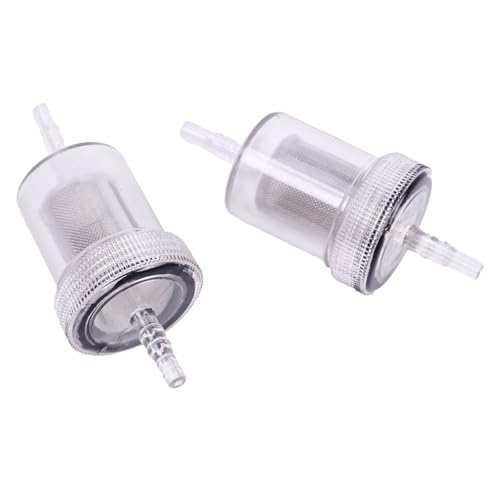
Application: Inline fuel filtration for diesel parking and air heaters used in vehicles or mobile applications.
Key Features: Part Number 1319466A; compatible with Webasto Air Top and Eberspacher diesel air parking heaters; designed for 3/16″ ID fuel hoses. The filter includes a transparent body and a removable stainless steel mesh element for cleaning.
Fit And Installation: The filter is designed to be installed inline between the fuel tank or fuel pump and the heater fuel inlet. Use clamps appropriate for 3/16″ fuel line, ensure correct flow direction, and inspect hose seating for leaks. The transparent housing allows visual inspection for debris or water.
Performance Considerations: Inline fuel filters reduce particulate and protect the burner pump and nozzle components. For diesel heaters, regular inspection and periodic replacement based on contamination levels are recommended.
Call 888-896-7031 for Free Local HVAC Quotes – Compare and Save Today!
BOJACK Refrigerant Filter Drier Bi-Flow SFK-083S

Application: Inline refrigerant filter drier for heat pump, refrigeration and air conditioning systems to protect compressors and metering devices.
Key Features: Bi-directional flow design; maximum working pressure 680 Psig (4.70 MPa); powder-coated corrosion-resistant shell; copper 3/8″ sweat connections. Intended for use with CFC/HCFC/HFC refrigerants.
Installation Notes: This is a sweat-port style drier requiring brazing/welding into the liquid line. It should be installed in the liquid line between the condenser and the TXV or orifice tube per OEM guidance. Isolation and evacuation of the system are necessary for safe installation.
System Impact: Inline driers remove moisture and acidic contaminants from refrigerant, extending system life and helping prevent valve and compressor damage. Select the drier size and type appropriate to the system capacity and refrigerant used.
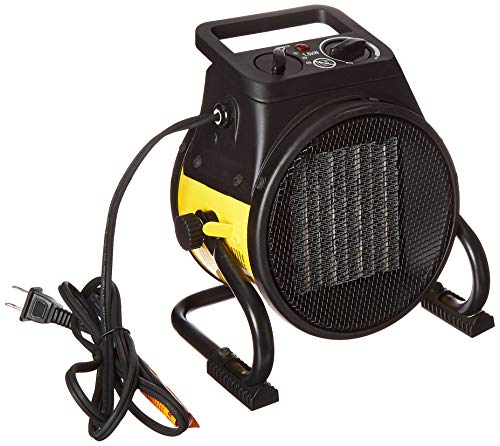
Dura Heat EUH1465 Electric Forced Air Heater With Pivoting Base
Call 888-896-7031 for Free Local HVAC Quotes – Compare and Save Today!
Application: Portable electric forced air heater for indoor spaces such as garages, workshops, or tents where quick, directed air heating is needed.
Key Features: 1500W PTC ceramic heating element for forced-air heat; rugged steel construction; pivoting base for directional airflow; heat and fan-only settings for flexible operation.
Inline Relevance: While not an inline duct heater, this unit functions as a localized forced-air heater that can be integrated with short duct runs or used to condition air near an inlet port. Consider airflow rate, duct sizing, and safety clearances when using with ducting or junction boxes.
Operational Considerations: Electric forced-air units provide fast warm-up times. Ensure the unit is used in accordance with indoor electrical safety standards, proper grounding, and manufacturer instructions for continuous or intermittent use.
Vent Systems 6″ Universal Adjustable Diffuser

Application: Round vent cover / diffuser for wall or ceiling duct outlets, providing adjustable outlet control for conditioned air.
Key Features: Flange inner diameter 5.87″ inch; outer valve cover diameter 8.46″ inches; mount collar length 2.91″ inches. Adjustable rotating valve for airflow control and foam insulation to reduce sound and vibration.
Installation Notes: Designed to snap or screw into standard round duct collars. Check that collar depth and flange size match the duct or register cutout. Screws and mounting hardware are not included; select hardware appropriate for the mounting surface.
Use Cases: Diffusers are inline components of an air distribution system, enabling fine control of airflow and direction. They are often used downstream of in-line heaters or fans to balance room temperatures and reduce drafts.
CPAP Humidifier Heat Moisture Exchanger Inline Humidification (REMREST)

Application: Inline heat moisture exchanger (HME) used with CPAP and portable respiratory machines to add humidity to inhaled air without requiring distilled water.
Key Features: Slimline design for portable comfort; high moisture output claimed to reduce dry mouth and provide humidified air on inhalation. Typically used between the machine and mask to capture exhaled moisture and release it during inhalation.
Installation And Maintenance: Inline HMEs are placed in the tubing line per manufacturer instructions. They are often disposable or require scheduled replacement to maintain hygiene and performance. Verify compatibility with tubing diameters and CPAP models before use.
Relevance To Inline Heating: For heated breathing circuits or portable heated tubing, inline humidification can complement thermal control to improve user comfort and reduce condensate management issues.
Buying Guide: Choosing The Right Inline Air Heater Component
Selecting an inline air heater or related inline component depends on application type, power or fuel source, connection sizes, and required protective devices. The following considerations help narrow choices across different scenarios.
1. Define The Application And Airflow Requirements
Determine whether you need a true inline duct heater (electrical or fuel-fired), a localized forced-air heater, inline fuel and fluid filters, or distribution components like diffusers. For heating people or spaces, calculate required BTU or wattage and airflow (CFM). For vehicle or mobile heaters, match the heater to vehicle power and fuel capabilities.
2. Match Fuel Or Power Source
Diesel or gasoline-powered inline heaters require proper inline fuel filtration to protect pumps and burners. Chamixx-style fuel filters are sized for 3/16″ fuel lines common with Webasto/Eberspacher systems. Electric forced-air heaters need appropriate electrical supply, circuit protection, and safe placement.
3. Connection Sizes And Installation Method
Verify tube and port diameters before purchasing. Many inline components use specific diameters (e.g., 3/16″ fuel hose, 22mm/25mm CPAP tubing, 3/8″ sweat for refrigerant driers). Refrigerant driers often require brazing to the liquid line; fuel filters and HMEs typically push onto hose ends with hose clamps.
4. Filtration And Contaminant Control
For fuel-fed heaters and refrigeration systems, inline filters and driers protect critical components from particulates and moisture. Choose filters with removable or replaceable elements if you expect periodic cleaning. For refrigeration, use the correct drier type and capacity for the system tonnage.
5. Thermal Management And Condensate
Inline heating circuits in HVAC or CPAP systems can produce condensate if warm air meets cold surfaces. For respiratory devices, HMEs can reduce the need for water reservoirs. For ducted systems, ensure insulation and condensate traps are installed where necessary.
6. Material Compatibility And Pressure Ratings
Check material compatibility with fuel or refrigerant. Refrigerant components must meet pressure ratings and sealing methods (sweat vs threaded). Electric inline units must comply with safety standards for indoor use and have appropriate overcurrent protection.
7. Ease Of Maintenance And Replacement Intervals
Consider how often filters, HMEs, or driers will need replacement. CPAP HMEs and inline filters are often disposable weekly or per use. Fuel filters may be cleaned or replaced based on contamination. Refrigerant driers are usually replaced during major service events or after system repairs.
8. Noise, Vibration, And Flow Control
Inline fans or forced-air heaters can introduce noise and vibration into duct runs. Use insulated diffusers and secure mounting to reduce transmission. Adjustable diffusers, like the Vent Systems unit, allow flow tuning and can help balance comfort without changing the heater output.
9. Compliance, Safety, And Professional Installation
Refrigerant driers require HVAC-certified service for brazing and system evacuation. Fuel and combustion-based heaters should be installed per manufacturer instructions to avoid leaks and carbon monoxide hazards. Electrical heating units should follow local codes for wiring and circuit protection.
10. Comparison Perspectives
- Performance vs. Portability: Electric forced-air units provide immediate heat but need power; diesel heaters offer autonomous operation for vehicles.
- Protection vs. Maintenance: Inline driers and filters protect systems at the cost of periodic replacement; washable mesh filters permit cleaning but require inspection.
- Installation Complexity: Simple push-on fuel filters and CPAP HMEs are user-friendly; refrigerant driers and hard-mounted duct heaters need professional skills.
Use the considerations above to select the inline device that matches your heating scenario—vehicle-mounted fuel heaters, small-space electric heating, or inline filtration and airflow distribution for HVAC and respiratory systems.
Tips for Getting the Best HVAC Prices
- Prioritize Quality Over Cost
The most critical factor in any HVAC project is the quality of the installation. Don’t compromise on contractor expertise just to save money. - Check for Rebates
Always research current rebates and incentives — they can significantly reduce your overall cost. - Compare Multiple Quotes
Request at least three estimates before making your choice. You can click here to get three free quotes from local professionals. These quotes include available rebates and tax credits and automatically exclude unqualified contractors. - Negotiate Smartly
Once you've chosen a contractor, use the proven strategies from our guide — How Homeowners Can Negotiate with HVAC Dealers — to get the best possible final price.