
Vented kerosene heaters provide reliable combustion with exhaust directed outdoors, making them suitable for larger rooms, workshops, and emergency heating. Below is a concise comparison of five relevant vented and indoor-rated kerosene heaters selected from Amazon listings.
| Product | Type | BTU | Coverage |
|---|---|---|---|
| Dyna-Glo WK24BK | Indoor Convection Kerosene | 23,800 BTU | Up To 1,000 Sq. Ft. |
| Dyna-Glo WK95C8 | Indoor Convection Kerosene | 23,800 BTU | Up To 1,000 Sq. Ft. |
| Sengoku HeatMate HMC-23K | Indoor/Outdoor Portable Kerosene | 23,500 BTU | Up To 1,000 Sq. Ft. |
| Sengoku Portable Kerosene Heater | Indoor/Outdoor Portable | 23,500 BTU | Up To 900 Sq. Ft. |
| Dura Heat DH1051 | Indoor Kerosene | 10,500 BTU | Up To ~400–999 Sq. Ft. |
Content Navigation
- Dyna-Glo WK24BK 23,800 BTU
- Dyna-Glo Indoor Kerosene Convection Heater
- Sengoku HeatMate HMC-23K Portable Kerosene
- Sengoku Portable Kerosene Space Heater
- Dura Heat DH1051 10,500 BTU Indoor Heater
- Buying Guide For Vented Kerosene Heaters
- Heating Capacity And BTU Rating
- Vented Versus Unvented (Vent-Free) Design
- Fuel Type And Quality
- Safety Features
- Ventilation And Installation
- Maintenance And Serviceability
- Operational Considerations
- Environmental And Indoor Air Quality
- Placement And Noise
- Choosing By Use Case
- Regulatory And Insurance Considerations
Dyna-Glo WK24BK 23,800 BTU
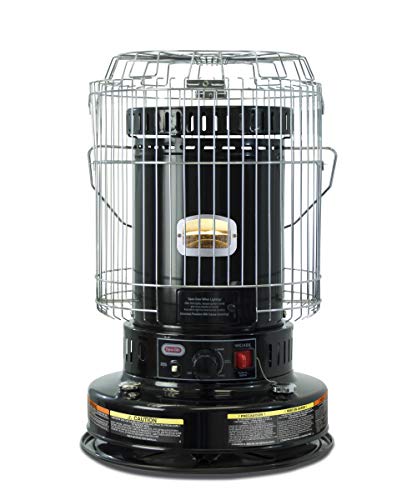
Brand: Dyna-Glo. This model is specified as an indoor kerosene convection heater with a rated output near 23,000 BTU/hour. The manufacturer lists a heating area up to 1,000 square feet and notes that no electricity is needed, indicating fully combustion-driven operation.
Key functional attributes include high BTU output for open-plan rooms and a convection design that distributes warm air via natural circulation. For installations labeled as vented, these units typically require a suitable exhaust arrangement to move combustion byproducts outdoors and maintain indoor air quality. Check local codes for permitted indoor kerosene appliance types and venting requirements before installation.
Dyna-Glo Indoor Kerosene Convection Heater

Brand: Dyna-Glo. Model WK95C8 shares nominal specifications with the WK24BK: around 23,000 BTU/hour and rated heating coverage around 1,000 sq. ft. The listing emphasizes no electricity required, confirming a self-contained combustion appliance.
Call 888-896-7031 for Free Local HVAC Quotes – Compare and Save Today!
Operationally this heater is designed for steady convection heating in larger rooms, garages, or workshops. The convection approach avoids forced-air fan noise but relies on proper placement and clearance to ensure effective distribution and combustion air supply. Users should plan for venting if long-duration indoor operation is anticipated to manage moisture and combustion gases.
Sengoku HeatMate HMC-23K Portable Kerosene
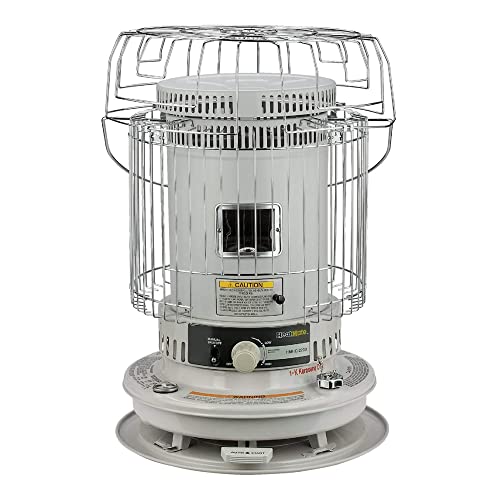
Brand: HeatMate (Sengoku). The HMC-23K is a versatile indoor/outdoor portable kerosene heater with 23,500 BTU output and a 1.9-gallon tank offering up to 12 hours of run time per fill. Features listed include automatic shut-off, tip-over switch, and protective safety grills.
This model is commonly used for emergency heating and temporary indoor use where vented setup or adequate ventilation is available. The built-in safety cutoffs reduce the risk of unsafe operation, but users should still ensure proper ventilation and follow manufacturer guidance on indoor vs. outdoor usage to address combustion products and odors.
Sengoku Portable Kerosene Space Heater

Brand: KeroHeat (Sengoku). This portable 23,500 BTU unit lists similar features to other HeatMate variants: 1.9-gallon tank, up to 12 hours runtime, push-to-start ignition, and automatic safety fuel shut-off. Heating zones are listed up to 900 sq. ft.
Call 888-896-7031 for Free Local HVAC Quotes – Compare and Save Today!
The product is promoted for indoor and outdoor use, with emphasis on portability and quick-start ignition. When operating indoors, this type of unit typically requires attention to ventilation and fuel quality to minimize odors and ensure efficient combustion. The inclusion of a siphon pump and batteries in some packages supports off-grid operation during power outages.
Dura Heat DH1051 10,500 BTU Indoor Heater

Brand: Dura Heat. The DH1051 offers a lower output of 10,500 BTU and lists 360-degree heating with up to 15 hours of operation on approximately 1.1 gallons of fuel. It targets smaller rooms or supplemental heating needs.
Due to reduced BTU rating, this model is suitable where smaller capacity and extended runtime per fuel fill are preferred. It may be easier to manage indoor ventilation with lower-output units, but any kerosene-burning appliance still requires attention to combustion air, carbon monoxide awareness, and local code compliance.
Buying Guide For Vented Kerosene Heaters
This buying guide outlines essential considerations when selecting a vented or indoor-rated kerosene heater. The sections cover performance metrics, safety and ventilation, fuel compatibility, installation and maintenance, and situational use cases.
Heating Capacity And BTU Rating
BTU Output determines the heating power. Match BTUs to room size and insulation. Higher BTU units (20,000+ BTU) suit large garages and open-plan spaces; lower BTU units (10,000–12,000) fit small rooms and prolonged runtime needs.
Vented Versus Unvented (Vent-Free) Design
Vented Heaters direct combustion gases outside via a flue or venting kit, reducing indoor moisture and combustion byproducts. Confirm whether a listed product requires or supports venting and whether the model is approved for indoor vented use under local building codes.
Vent-Free/Blue Flame models (not specifically kerosene) release exhaust into the room and typically require oxygen depletion sensors. For kerosene appliances, vented operation is often safer for long-term indoor use.
Fuel Type And Quality
Use the recommended kerosene grade (often 1-K kerosene). Fuel alternatives marketed as odorless or refined can reduce odors and deposits. Fuel quality affects combustion efficiency, maintenance frequency, and odor levels.
Safety Features
- Automatic Shut-Off for low fuel or overheat protection
- Tip-Over Switch for portable units
- Oxygen Depletion Sensor (ODS) where applicable
- Clearance requirements and protective grills to prevent contact burns
Ventilation And Installation
Plan for proper vent routing that meets local code: vent materials, termination points, and clearances. Professional installation is recommended for permanent vented systems. Portable units used indoors may need periodic airing and CO monitoring.
Maintenance And Serviceability
Inspect and clean burners, filters, and fuel lines per manufacturer guidance. Replace worn parts and use recommended spare parts. Regular maintenance helps maintain efficiency and reduces odor and soot buildup.
Operational Considerations
Consider run time per tank, fuel consumption rate, and whether the heater requires electricity for ignition or controls. Fully mechanical units run without electricity, useful during power outages. Battery ignition and push-start systems add convenience but require occasional battery replacement.
Environmental And Indoor Air Quality
Kerosene combustion produces moisture, CO2, and trace pollutants. Use CO detectors in occupied spaces and ensure adequate combustion air. For prolonged indoor use, vented appliances or direct venting are preferred to protect indoor air quality.
Placement And Noise
Convection heaters are typically quieter than forced-air models. Forced-air or blower-equipped units distribute heat faster but may create more noise. Place heaters on level surfaces with required clearances from combustibles and traffic paths.
Choosing By Use Case
- Emergency Home Heating: Portable units with push-start and safety shutoffs offer quick deployment.
- Workshop/Garage: Higher BTU vented or forced-air kerosene heaters provide rapid warming; ensure robust venting and fuel handling.
- Small Room/Supplemental Heat: Lower-BTU indoor models with long runtime reduce refueling frequency and manage odors more easily.
Regulatory And Insurance Considerations
Check local regulations and insurance requirements for indoor kerosene heater use. Some jurisdictions restrict kerosene appliances indoors or mandate certified installation and CO monitoring.
When selecting a vented kerosene heater, prioritize venting capability, safety features, fuel quality, and installation compliance to ensure effective and code-compliant heating performance.
Tips for Getting the Best HVAC Prices
- Prioritize Quality Over Cost
The most critical factor in any HVAC project is the quality of the installation. Don’t compromise on contractor expertise just to save money. - Check for Rebates
Always research current rebates and incentives — they can significantly reduce your overall cost. - Compare Multiple Quotes
Request at least three estimates before making your choice. You can click here to get three free quotes from local professionals. These quotes include available rebates and tax credits and automatically exclude unqualified contractors. - Negotiate Smartly
Once you've chosen a contractor, use the proven strategies from our guide — How Homeowners Can Negotiate with HVAC Dealers — to get the best possible final price.