
Cold temperatures reduce battery performance and can prevent RVs from starting or powering essential systems. This guide compares reliable battery heater pads, self-heating battery options, and complementary cold-weather accessories to help American RV owners protect power systems in winter. Below is a quick summary of the five products reviewed.
| Product | Brand | Primary Benefit |
|---|---|---|
| Facon 8-1/2” x 5-1/2” Silicone Battery Heater Pad | Facon | Dedicated battery warming pad with built-in thermostat (120V) |
| TEMGO 12V 300Ah Self-Heating LiFePO4 Battery | TEMGO | Battery with built-in low-temp protection, touch display, Bluetooth |
| Facon 7-1/4″ x 25″ 12V RV Tank Heater Pad | Facon | 12V heater pad for tanks with automatic thermostat (QAI certified) |
| RV Holding Tank Heater Pad 12″x18″ (2PCS) | JIANBENKJ | 12V automatic thermostat tank pad, usable for tanks or items needing warmth |
| RV Air Conditioner, 12V 10000 BTU Rooftop AC (w/heater) | outequip | Rooftop AC with auxiliary PTC heater for mild supplemental heat |
Content Navigation
- Facon 8-1/2″ x 5-1/2″ Silicone Battery Heater Pad
- TEMGO 12V 300Ah Self-Heating LiFePO4 Lithium Battery
- Facon 7-1/4″ x 25″ 12V RV Tank Heater Pad With Automatic Thermostat
- RV Holding Tank Heater Pad 12″x18″ With Automatic Thermostat (2PCS)
- RV Air Conditioner, 12V 10000 BTU Rooftop Air Conditioner (w/heater)
- Buying Guide: How To Choose An RV Battery Heater
- 1. Purpose: Direct Battery Heating Vs System-Level Protection
- 2. Power Source And Draw
- 3. Thermostat And Control
- 4. Size, Heat Transfer, And Fit
- 5. Safety And Certification
- 6. Installation Complexity
- 7. Environmental And Operational Trade-Offs
- 8. Redundancy And Layered Strategies
- 9. Compatibility With Battery Chemistry
- 10. Maintenance And Monitoring
Facon 8-1/2″ x 5-1/2″ Silicone Battery Heater Pad
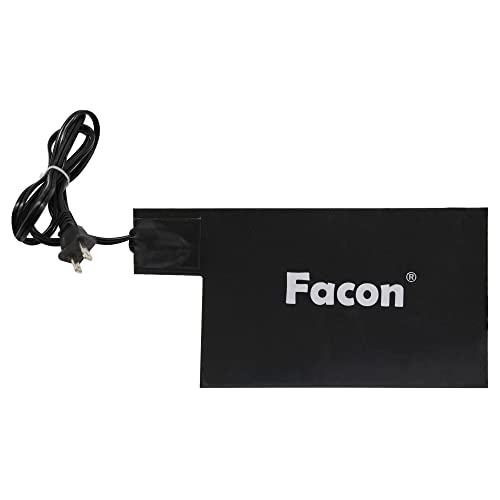
This Facon battery warmer is a focused solution for protecting 12V lead-acid or similar-sized batteries from cold-induced capacity loss. The pad measures 8-1/2″ x 5-1/2″ and operates on 120V AC at 60W, providing targeted, consistent heat through a silicone-coated surface designed for durability and oil/acid resistance.
- Thermostat Controlled: Built-in thermostat turns the pad off when battery surface reaches approximately 68°F (±10°F), reducing energy use and overheating risk.
- Construction: Silicone coating improves heat transfer and resists chemicals common around batteries.
- Use Case: Best for shore-powered situations or storage where 120V is available; intended for brief sessions (10–30 minutes) to warm batteries before starting.
Objective considerations: the unit requires AC power, so it’s not suitable for remote dry-camp heating without an inverter or generator. The thermostat tolerance is relatively wide, and users should match pad size to battery surface area to ensure effective transfer.
TEMGO 12V 300Ah Self-Heating LiFePO4 Lithium Battery

The TEMGO 300Ah LiFePO4 is a high-capacity battery with an integrated low-temperature cutoff and self-heating feature that protects cells during cold weather. This unit is a system-level approach—rather than adding an external heater, the battery incorporates electronics and thermal management.
Call 888-896-7031 for Free Local HVAC Quotes – Compare and Save Today!
- Low Temp Protection: Built-in cutoff prevents charge/discharge below unsafe temperatures, protecting cell chemistry and longevity.
- Self-Heating Capability: Internal heating elements allow the battery to maintain operable temperatures during cold starts, improving available capacity.
- Smart Monitoring: Touch screen and Bluetooth app provide real-time status, plus a 200A BMS for safety functions.
Objective considerations: integrated self-heating and BMS reduce need for external heaters, making this option attractive for off-grid RV setups. However, weight, size, and electrical integration must match the RV’s system, and professional installation may be advisable for high-capacity units.
Facon 7-1/4″ x 25″ 12V RV Tank Heater Pad With Automatic Thermostat

Although marketed as a tank heater pad, this 12V Facon heater pad is relevant for RV owners looking for 12V-powered warming solutions that can be applied to tanks, batteries, or nearby enclosures when sized and installed carefully.
- Automatic Thermostat: Turns on around 44°F (±5°F) and off at 68°F (±5°F), conserving power while preventing freezing.
- QAI Certified: Certified safety standard that confirms design meets industry requirements for RV installations.
- Dimensions: 7-1/4″ x 25″, suited for long, narrow surfaces such as tanks or wrapping along a battery box when used safely.
Objective considerations: while primarily designed for tanks, a 12V pad is usable where shore power isn’t available. Installation should avoid direct contact with battery terminals or acid; use insulating layers and secure mounts. Verify current draw against the RV’s battery/inverter capacity.
RV Holding Tank Heater Pad 12″x18″ With Automatic Thermostat (2PCS)

This JIANBENKJ 12″x18″ heater pad set is designed for RV fresh, grey, or black water tanks and includes an automatic thermostat that activates around 45°F (±5°) and deactivates near 68°F (±5°).
Call 888-896-7031 for Free Local HVAC Quotes – Compare and Save Today!
- Automatic Thermostat Control: Reduces the need for manual switching and saves battery or shore power by running only when required.
- Wide Application: Suitable for tanks up to ~50 gallons and adaptable for other surfaces that require mild warming.
- Pack Quantity: Supplied as two pads, enabling multiple tank coverage or redundancy.
Objective considerations: the pad runs on low voltage and is intended to prevent freezing of tank water lines. Using these pads near battery compartments may provide indirect warming, but direct battery heating solutions or self-heating battery choices remain more controllable and effective for battery health.
RV Air Conditioner, 12V 10000 BTU Rooftop Air Conditioner (w/heater)

The outequip 10,000 BTU rooftop unit includes a 4,500 BTU PTC auxiliary heater intended for supplemental warmth in mild cold conditions. While not a battery heater, the unit contributes to maintaining a warmer interior climate and can reduce the load on batteries during short-duration heat cycles when shore power or running power is available.
- Cooling Priority: Primary function is cooling; the heater is supplementary and not designed as a primary winter heating source in extreme cold.
- Durability Features: UV-stabilized ABS materials and weather-resistant components support year-round rooftop use.
- Power Consideration: Rooftop units typically draw significant current; running the heater from batteries requires careful power budgeting or generator use.
Objective considerations: For RVers seeking interior warmth to ease battery cold stress, the rooftop unit can help when paired with adequate power generation. Relying on it as a battery-heating strategy is indirect and energy-intensive compared to targeted battery pads or self-heating batteries.
Buying Guide: How To Choose An RV Battery Heater
Selecting the right cold-weather power protection involves considering system architecture, available power, and safety. The following factors and comparison perspectives will help you make an informed decision.
1. Purpose: Direct Battery Heating Vs System-Level Protection
Direct heating (battery pads) targets surface warming, improving cold-cranking amps for lead-acid batteries. These are typically simple and lower-cost but often require AC or 12V power. System-level protection (self-heating LiFePO4 batteries) integrates thermal management and BMS functions, minimizing installation complexity but increasing upfront cost and requiring compatibility checks.
2. Power Source And Draw
Identify whether you have 120V shore power, 12V DC from house batteries, or a generator/inverter. 120V pads heat faster but need shore power or inverter capacity. 12V heater pads are suitable for boondocking but add continuous draw—check wattage and thermostat control to estimate runtime and battery drain.
3. Thermostat And Control
Thermostatic control prevents overheating and conserves energy. Look for automatic on/off thresholds that match your climate needs (e.g., turn on near 40–45°F). Consider adjustable controls or external thermostats for fine tuning.
4. Size, Heat Transfer, And Fit
Match pad size to battery dimensions or battery box interiors. Larger surface coverage yields more uniform warming. For adhesive-backed pads or flexible pads, verify mounting surfaces are clean and insulated from terminals and acid.
5. Safety And Certification
Choose products with certifications (e.g., QAI), robust insulation, and chemical-resistant coatings. Avoid placing pads directly over vents or terminals. For self-heating batteries, ensure the BMS includes low-temp cutoffs and overcurrent protection.
6. Installation Complexity
Simple plug-and-play pads require minimal tools, while integrated battery replacements or large-capacity LiFePO4 units may need professional installation and wiring upgrades. Consider available space, ventilation, and access for maintenance.
7. Environmental And Operational Trade-Offs
Direct pads warm the battery surface but don’t change internal cell temperature uniformly. Self-heating batteries warm internally and protect charging cycles but don’t retrofit existing batteries. Supplemental cabin heating helps but is indirect and energy costly.
8. Redundancy And Layered Strategies
Combine approaches where appropriate: a self-heating LiFePO4 for primary power, plus insulated battery boxes and a thermostatic pad as backup. Use insulated enclosures to reduce heat loss and prioritize low-power thermostat-controlled solutions to conserve energy.
9. Compatibility With Battery Chemistry
Lead-acid, AGM, gel, and LiFePO4 batteries respond differently to cold. LiFePO4 requires low-temp charge/discharge protection; some chemistries benefit more from pre-warming before charging. Verify manufacturer guidance for charging at low temperatures.
10. Maintenance And Monitoring
Choose solutions with monitoring options when possible. Smart batteries with Bluetooth or built-in displays can reduce guesswork. For pads, periodic checks for wear, insulation breakdown, or connector corrosion are important for long-term reliability.
Use these considerations to compare the product categories: dedicated battery pads (best for simple, targeted warming when relevant power is available), 12V pads/tank pads (useful for off-grid and multi-purpose warming), and self-heating batteries (best for integrated protection and minimal external hardware). Evaluate installation complexity, power draw, and certification to ensure safe, effective winter protection for your RV power system.
Tips for Getting the Best HVAC Prices
- Prioritize Quality Over Cost
The most critical factor in any HVAC project is the quality of the installation. Don’t compromise on contractor expertise just to save money. - Check for Rebates
Always research current rebates and incentives — they can significantly reduce your overall cost. - Compare Multiple Quotes
Request at least three estimates before making your choice. You can click here to get three free quotes from local professionals. These quotes include available rebates and tax credits and automatically exclude unqualified contractors. - Negotiate Smartly
Once you've chosen a contractor, use the proven strategies from our guide — How Homeowners Can Negotiate with HVAC Dealers — to get the best possible final price.