
Infrared plug-in heaters deliver focused radiant warmth with quick startup and simple installation. Below is a concise comparison of five plug-in infrared heater options chosen for indoor, wall-mounted, and outdoor plug-in setups. Use the summary to match features to your space and safety needs.
| Product | Type | Power/Mode | Key Feature |
|---|---|---|---|
| GiveBest Programmable Space Heater | Plug-In Indoor | 450W | Compact, rotatable plug, LED thermostat |
| Dr Infrared Heater 1500-Watt | Portable Indoor | 1500W, Dual Heating | Infrared quartz + PTC, remote, timer |
| Heat Storm HS-1500-PHX-WIFI | Wall-Mounted Plug | 1500W | Wi‑Fi control, space-saving wall design |
| ENVI Plug-In Electric Panel | Low-Wattage Wall Panel | Low Wattage Continuous | Fan‑less, quiet, safe wall sensor |
| Dr Infrared DR-238 Carbon Outdoor | Outdoor Plug-In | 900–1500W (3 settings) | IP55 rated, remote, outdoor-ready |
Content Navigation
- GiveBest Programmable Space Heater
- Dr Infrared Heater Portable 1500W
- Heat Storm HS-1500-PHX-WIFI Wall Heater
- ENVI Plug-In Electric Panel Wall Heater
- Dr Infrared DR-238 Carbon Outdoor Heater
- Buying Guide: Choosing The Right Plug-In Infrared Heater
- 1. Intended Use And Heating Capacity
- 2. Power, Circuit, And Energy Considerations
- 3. Heat Delivery Type And Comfort
- 4. Installation, Mounting, And Portability
- 5. Safety Features And Certifications
- 6. Controls, Connectivity, And Usability
- 7. Noise, Air Quality, And Allergy Considerations
- 8. Outdoor-Specific Factors
- 9. Comparison Perspectives
GiveBest Programmable Space Heater

This GiveBest model Is A Small Plug-In Infrared-Style Space Heater Designed For Low Energy Use. It Operates At 450 Watts, Making It Suited For Mild Climates Or Spot Heating In Home Offices And Bathrooms.
Features Noted Include Adjustable Temperature (60°F–90°F) With An LED Display For Readout, A Programmable Timer, And A 180° Rotatable Plug To Fit Different Outlet Orientations. The Unit Is ETL Listed For Safety.
Practical Considerations: Its low wattage Limits Coverage To Small Rooms But Reduces Circuit Load. The programmable thermostat and LED Help Maintain Setpoint Comfort. Ideal Where Continuous high output isn’t required and outlet orientation flexibility is needed.
Dr Infrared Heater Portable 1500W
Call 888-896-7031 for Free Local HVAC Quotes – Compare and Save Today!
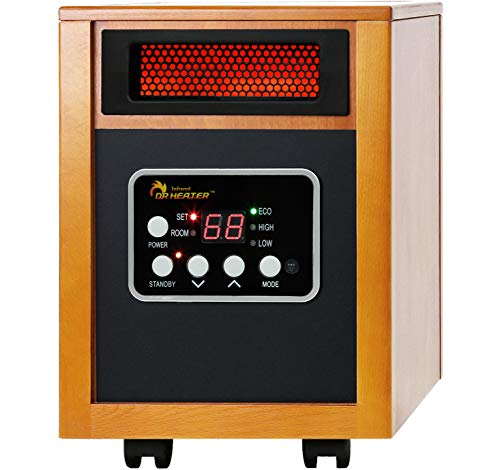
The Dr Infrared 1500-Watt Portable Unit Uses A Dual Heating System Combining Infrared Quartz Tubes With A PTC Element To Deliver Rapid, High Output Heat. It Is Marketed To Heat Larger Rooms And Produce Higher BTU Output Than Single-element Models.
Key Features Include Auto Energy Saving Mode, High/Low Settings, Tip-Over And Overheat Protection, And A 12-Hour Timer. A Remote Control And A Low-Noise Blower (Around 39 dB) Support User Convenience.
Practical Considerations: The hybrid heating and blower improve room circulation compared with purely radiant panels. Safety features are standard for portable operation. Because This Unit Is 1500W It Requires Dedicated Circuit Awareness For Older Homes.
Heat Storm HS-1500-PHX-WIFI Wall Heater

The Heat Storm HS-1500-PHX-WIFI Is A Wall-Mounted Infrared Unit Designed To Save Floor Space And Provide Targeted Room Heating. It Supports Wi‑Fi Control For Smartphone Temperature Management And Includes A Touch Screen And Remote.
Features Include Tip-Over Safety Shutoff, Digital Thermostat, And A Space-Saving Wall Mount Design Intended For Bedrooms, Kitchens, And Offices. The Wi‑Fi Capability Allows Integration With Remote Scheduling And Smart Home Routines.
Call 888-896-7031 for Free Local HVAC Quotes – Compare and Save Today!
Practical Considerations: Wall mounting frees floor space and positions the infrared element for directional heating. Confirm Your Outlet Type And Mounting Requirements Before Purchase. Wi‑Fi control adds convenience but requires network setup and periodic firmware/security consideration.
ENVI Plug-In Electric Panel Wall Heater
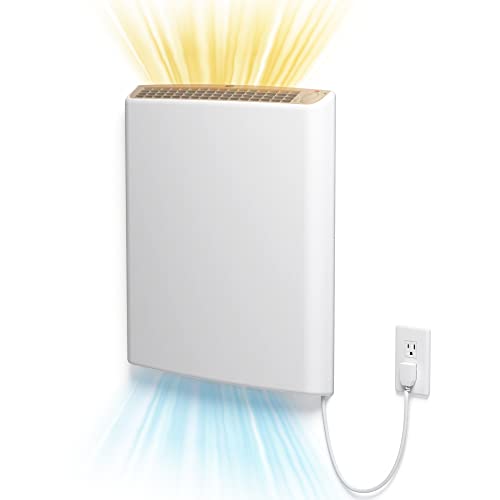
The ENVI Plug-In Panel Is A Low-Wattage, Fan-Less Wall Heater That Uses Stack Convection For Silent, Continuous Warmth. It Is Intended For 24/7 Supplemental Heating With A Cool-To-Touch Surface (~90°F).
Key Features Include A Wall-Sense Safety Sensor That Cuts Power If Removed, Quiet Operation With No Fan, And Energy-Efficient Design To Minimize Electricity Use. The Panel Avoids Blowing Dust And Maintains Humidity Better Than Forced-Air Units.
Practical Considerations: This Unit Is Geared Toward Bedrooms, Nurseries, And Spaces Where Noise And Air Movement Should Be Minimized. Its Low-Watt Continuous Operation Makes It A Candidate For Long-Term Supplementation Rather Than Rapid Space Heating.
Dr Infrared DR-238 Carbon Outdoor Heater
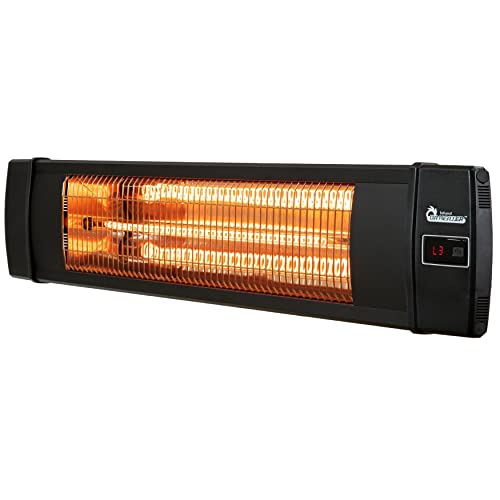
The DR-238 Is A Carbon Infrared Heater Rated For Indoor And Outdoor Use With An IP55 Rating. It Offers Three Power Settings (900W, 1200W, 1500W) And Is Designed For Patios, Garages, And Open-Air Restaurant Spaces.
Features Include Remote Control, Instant Odorless Infrared Heat, And A Plug-and-Play 120V Design. The Carbon element Delivers Clean Radiant Heat And Multiple Power Modes To Match Outdoor Conditions.
Practical Considerations: For Outdoor Installations, Confirm Mounting Position And Weather Exposure. The IP55 Rating Indicates Resistance To Dust And Water Spray But Follow Manufacturer Mounting Height And Clearance Guidelines For Safe Operation.
Buying Guide: Choosing The Right Plug-In Infrared Heater
This buying guide highlights technical, safety, and lifestyle considerations to compare plug-in infrared heaters across use cases.
1. Intended Use And Heating Capacity
- Spot vs Whole-Room Heating: Low-watt plug-ins (e.g., 450W) are best for desks, bathrooms, or small areas. High-watt (1500W) portable or wall units cover larger rooms.
- Indoor vs Outdoor: Outdoor-rated units (IP or water-resistant ratings) are required for patios. Indoor-only models lack the sealing and drainage for wet conditions.
2. Power, Circuit, And Energy Considerations
- Wattage And Circuit Load: 1500W units draw ~12.5 A on a 120V circuit—check other loads on the same circuit to avoid tripping breakers.
- Low-Watt Options: For continuous or supplemental heat where power capacity is limited, choose low-watt models or panel heaters to reduce energy strain.
- Energy Modes And Thermostats: Units with ECO modes, programmable timers, and precise thermostats generally yield better energy control.
3. Heat Delivery Type And Comfort
- Infrared Radiant Heat: Feels like direct warmth to people and objects, effective for spot heating and outdoor seating.
- Fan-Forced vs Fan-Less: Fan-forced models distribute heat faster across a room; fan-less panels provide silent, even warmth without circulating dust.
- Element Type: Quartz, carbon, and ceramic elements differ in response time, radiant profile, and glare. Carbon tends to provide softer radiant warmth with less glare.
4. Installation, Mounting, And Portability
- Plug-In Vs Hardwired: Confirm whether wall units are true plug-in models or require professional wiring. Some wall-mounted units come with a plug; others are hardwired.
- Rotatable Plugs And Outlet Fit: Rotatable plug designs help when outlets are awkwardly placed or inverted.
- Mounting Height And Clearance: Follow manufacturer clearance recommendations to avoid hot spots and ensure effective radiant coverage.
5. Safety Features And Certifications
- Tip-Over And Overheat Protection: Essential for portable units used around children and pets.
- Wall-Sense Cutoff: Useful for plug-in panels that could be removed or bumped from the wall.
- Third-Party Certifications: Look for ETL, UL, or CSA listings to confirm electrical safety testing.
6. Controls, Connectivity, And Usability
- Digital Thermostats And Timers: Improve temperature control and reduce wasted runtime.
- Remote Controls And Wi‑Fi: Provide convenience for hard-to-reach wall units; Wi‑Fi adds scheduling and smart-home integration but requires network setup.
- Display Legibility: LED displays and intuitive controls assist users who need accurate setpoint feedback.
7. Noise, Air Quality, And Allergy Considerations
- Fan Noise: If bedrooms or quiet spaces are a priority, choose fan-less panels or low-noise blowers.
- Air Movement: Fan-forced heaters can circulate dust; fan-less infrared panels are often better for allergy sufferers.
8. Outdoor-Specific Factors
- Ingress Protection (IP) Rating: Confirm IP rating for exposure to rain or spray. IP55 or higher is commonly recommended for outdoor-facing appliances.
- Mounting Orientation: Angle and distance from seating affect perceived warmth—install to optimize coverage without creating hotspots.
9. Comparison Perspectives
- Energy Efficiency Perspective: Compare runtime in ECO modes and thermostat accuracy to assess likely energy use for your schedule.
- Performance Perspective: Consider element type, blower power, and coverage claims to project how quickly a space will feel comfortable.
- Safety & Maintenance Perspective: Favor models with automatic cutoffs, cool-touch surfaces for wall panels, and accessible cleaning instructions.
Use these criteria to narrow options by room size, required mobility, noise tolerance, and electrical capacity. Match product features—such as low-watt continuous panels for bedrooms or high-output portable units for living rooms—to the specific heating scenario you face.
Tips for Getting the Best HVAC Prices
- Prioritize Quality Over Cost
The most critical factor in any HVAC project is the quality of the installation. Don’t compromise on contractor expertise just to save money. - Check for Rebates
Always research current rebates and incentives — they can significantly reduce your overall cost. - Compare Multiple Quotes
Request at least three estimates before making your choice. You can click here to get three free quotes from local professionals. These quotes include available rebates and tax credits and automatically exclude unqualified contractors. - Negotiate Smartly
Once you've chosen a contractor, use the proven strategies from our guide — How Homeowners Can Negotiate with HVAC Dealers — to get the best possible final price.