
Cold temperatures reduce battery performance and make starting engines difficult. This guide compares reliable battery heater pads and wraps designed to maintain battery temperature and preserve cold cranking amps. Below is a quick comparison table of the selected products to help you scan key specs and pick the right warmer for your vehicle or equipment.
| Product | Type | Power | Thermostat | Size |
|---|---|---|---|---|
| Maichis Silicone Battery Heater Pad | Silicone Pad | 120V, 60W | On 0°F / Off 122°F | 8-1/2″ x 7-7/8″ |
| Facon Silicone Battery Heater Pad | Silicone Pad | 120V, 60W | Turns off ~68°F (±10°) | 8-1/2″ x 5-1/2″ |
| JUWEVAZU Silicone Battery Heater Pad | Silicone Pad | 120V, 60W | On 0°F / Off 122°F | 8-1/2″ x 7-7/8″ |
| Bostic Motors Inc. Battery Blanket / Wrap | Wrap / Blanket | 80W | Not specified | 5″ x 36″ |
| Zerostart Silicone Pad Battery Heater | Silicone Pad | 120V, 60W | Passive thermostat design | 5-1/2″ x 8-1/2″ |
Content Navigation
- Maichis 8-1/2” x 7-7/8” Silicone Battery Heater Pad
- Facon 8-1/2” x 5-1/2” Silicone Battery Heater Pad
- JUWEVAZU 8-1/2” x 7-7/8” Silicone Battery Heater Warmer Pad
- BMI 36″ Battery Blanket Heater Warmer Wrap
- Zerostart 5½” x 8½” Silicone Pad Battery Heater
- Buying Guide: How To Choose A Battery Heater
- Type: Pad vs Wrap
- Power Source And Applicability
- Wattage And Heating Capacity
- Thermostatic Control And Safety
- Size, Fit, And Contact Area
- Installation And Cord Length
- Environmental Durability
- Compatibility With Battery Types
- Safety Features And Certifications
- Use Cases And Access To Power
- Maintenance And Storage
- Comparative Perspectives
Maichis 8-1/2” x 7-7/8” Silicone Battery Heater Pad

This Maichis silicone pad is designed for automotive battery heating applications and operates at 120V, 60 watts. It uses a built-in thermostat that activates at about 0°F and turns off around 122°F (50°C), providing automatic temperature regulation to reduce overheating risk.
The pad’s silicone construction offers durability and resistance to environmental factors commonly found around batteries. Because it plugs into standard AC power, it is intended for garage or shore-power use rather than true battery-powered operation.
Installation is straightforward: place the pad against the battery case and secure it per manufacturer instructions. The thermostatic control reduces user monitoring, which is useful for maintaining consistent battery temperature overnight or during storage.
Facon 8-1/2” x 5-1/2” Silicone Battery Heater Pad
Call 888-896-7031 for Free Local HVAC Quotes – Compare and Save Today!
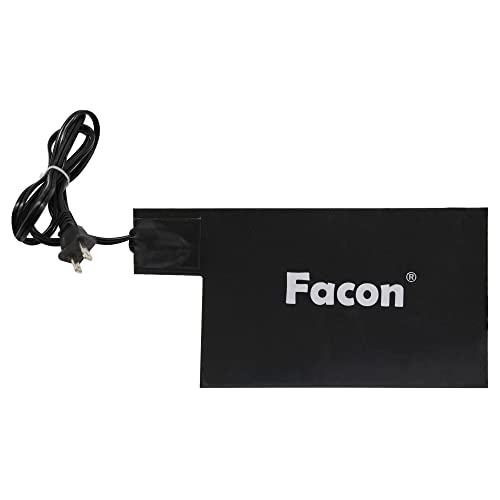
The Facon battery warmer is a silicone-coated pad sized 8-1/2″ x 5-1/2″, rated at 120V AC, 60 watts with a long 72″ power cord for flexible placement. The pad is positioned as a first line of defense against freezing temperatures that reduce available cold cranking amps.
It has a built-in thermostat set to turn off near 68°F (±10°F), which means it will cycle to maintain moderate warmth. The silicone coat adds oil and acid resistance, improving longevity in automotive environments.
Designed to heat quickly within 10–30 minutes of being plugged in, this pad is intended for use when shore power is accessible. Its thin profile makes it suitable for fitting inside battery trays or snug compartments where space is limited.
JUWEVAZU 8-1/2” x 7-7/8” Silicone Battery Heater Warmer Pad

The JUWEVAZU pad emphasizes even heat distribution through silicone material and a thermostatic kit that prevents overheating. It follows a similar on/off threshold as comparable models—turning on at 0°F and off at 122°F.
As with other plug-in pads, this product relies on AC power and is designed for maintaining battery temperature in storage or vehicles with access to shore or garage power. The thermostat aims to protect battery chemistry from extremes while preserving starting performance.
Call 888-896-7031 for Free Local HVAC Quotes – Compare and Save Today!
Installation typically involves positioning the pad against the battery housing and securing it. The silicone surface supports contact with battery cases while resisting fluids and abrasion found in engine bays.
BMI 36″ Battery Blanket Heater Warmer Wrap

The Bostic Motors Inc. battery blanket is a wrap-style heater measuring roughly 5″ x 36″ and rated at 80 watts
The cord is reinforced with a brass grommet to reduce wear at the entry point, and ties are included for secure installation. The design prioritizes ease of use: wrap, tie, and connect to power when shore power is available.
Wraps like this are useful for batteries located in open compartments or where a pad would not contact enough surface area. The blanket can also be adjusted to cover multiple cells or larger battery groups, depending on vehicle configuration.
Zerostart 5½” x 8½” Silicone Pad Battery Heater

Zerostart’s silicone pad is a slim heater designed to fit inside battery boxes or trays. Rated at 120 volts and 60 watts, the silicone material offers acid resistance, which helps when installed near batteries in marine or automotive environments.
The slim profile is intended to fit snugly under or beside the battery, maintaining warmth without taking excessive space. The product is marketed to preserve cold cranking amps by keeping battery temperature elevated during cold spells.
Because it plugs into standard AC power, the pad works best where vehicles or equipment can be connected to shore or garage power. The passive thermostat design helps control output and prevent continuous overheating.
Buying Guide: How To Choose A Battery Heater
Choosing the right battery heater requires comparing type, power source, size, and control features. Below are the key considerations to evaluate before purchasing.
Type: Pad vs Wrap
Battery pads are thin and suited for snug battery trays or under-battery placement. They provide targeted heating where contact area is sufficient. Wraps/blankets offer greater coverage for larger batteries or batteries mounted in open areas and can distribute heat more evenly around the case.
Power Source And Applicability
Most consumer battery heaters are AC-powered and intended to be plugged into garage or shore power. If you require a heater that runs off the battery itself or a portable power source, verify the product’s power requirements—many pads are not designed for DC battery operation and can draw from AC only.
Wattage And Heating Capacity
Wattage affects how quickly the heater raises battery temperature. Common pad ratings are 60 watts, while wraps can be higher (e.g., 80 watts). Higher wattage can warm faster but may require thermostatic control to avoid overheating.
Thermostatic Control And Safety
Built-in thermostats that cycle at specified temperatures provide automated control and reduce manual monitoring. Look for models that specify on/off thresholds or include overheat protection. Acid and oil resistance are important in automotive spaces to prevent material degradation.
Size, Fit, And Contact Area
Measure your battery case and compartment before buying. A heater should provide good contact area with the battery surface for efficient heat transfer. Slim pads are best for limited space; wraps cover more surface but need secure fastening.
Installation And Cord Length
Consider cord length and plug type to ensure you can reach an outlet where parked. Some pads include long cords (e.g., 72 inches) for flexible routing. Evaluate attachment methods—ties, Velcro, or integrated fasteners—to secure the heater in place.
Environmental Durability
Materials should resist battery acid, oils, and moderate abrasion. Silicone coatings are common and provide chemical resistance and flexibility. For outdoor or exposed installations, verify the heater’s rated durability for wet or corrosive environments.
Compatibility With Battery Types
Confirm that the heater is suitable for your battery chemistry and size—lead-acid, AGM, flooded, or sealed batteries have different thermal responses. Heaters are generally used to maintain temperature rather than to charge or revive deeply discharged batteries.
Safety Features And Certifications
Look for automatic shutoff, tip-over protection (for blanket-style use), and any safety certifications or listings. While not all small pads carry broad certifications, documented thermostatic control and quality materials mitigate risk.
Use Cases And Access To Power
Determine whether the heater will be used in a garage with AC, at a remote location with generator/shore power, or continuously in a vehicle. AC-only pads are excellent for storage and off-season use; wraps are useful for prolonged protection when powered.
Maintenance And Storage
Inspect pads and wraps periodically for wear, cracking, or cord damage. Clean surfaces per manufacturer instructions and store flat or rolled without sharp bends. Replace damaged units to avoid electrical or chemical hazards.
Comparative Perspectives
- Coverage vs. Contact: Wraps provide more coverage; pads offer better contact in tight trays.
- Thermostat Precision: Models specifying exact on/off temperatures give predictable cycling; unspecified thermostats may vary.
- Wattage Tradeoffs: Higher wattage warms faster but needs reliable temperature control; lower wattage is gentler but may be slower in extreme cold.
- Durability: Silicone-coated heaters offer acid and oil resistance important in engine bays and marine applications.
Use the points above to match heater type to your vehicle, battery size, and power availability. Assess thermostat behavior, material durability, and installation requirements to ensure reliable cold-weather starting and battery preservation.
Tips for Getting the Best HVAC Prices
- Prioritize Quality Over Cost
The most critical factor in any HVAC project is the quality of the installation. Don’t compromise on contractor expertise just to save money. - Check for Rebates
Always research current rebates and incentives — they can significantly reduce your overall cost. - Compare Multiple Quotes
Request at least three estimates before making your choice. You can click here to get three free quotes from local professionals. These quotes include available rebates and tax credits and automatically exclude unqualified contractors. - Negotiate Smartly
Once you've chosen a contractor, use the proven strategies from our guide — How Homeowners Can Negotiate with HVAC Dealers — to get the best possible final price.