
Efficient Electric Heaters can cut energy use while keeping rooms comfortable. This guide compares five efficient options—panel, wall, ceramic tower, oil-filled radiator, and infrared—focusing on energy-saving features, controls, safety, and suitable room types.
| Model | Type | Key Efficiency Feature |
|---|---|---|
| ENVI Plug-in Electric Panel | Wall Panel | Low-wattage continuous convection |
| Dreo Smart Wall Heater WH719S | Smart Wall Heater | Oscillation + programmable thermostat |
| PELONIS 23” Oscillating Ceramic Tower | Ceramic Tower | PTC ceramic with ECO mode |
| PELONIS Champagne Oil-Filled Radiator | Oil-Filled Radiator | Long-lasting radiant heat + ECO mode |
| Heat Storm Phoenix HS-1500-PHX | Infrared Panel | Infrared radiant heating with dual power modes |
Content Navigation
- Envi Plug-in Electric Panel Wall Heaters
- Dreo Smart Wall Heater WH719S
- PELONIS 23” Oscillating Ceramic Tower Heater
- PELONIS Champagne Oil-Filled Radiator Heater
- Heat Storm Phoenix HS-1500-PHX Infrared Heater
- Buying Guide — How To Choose The Most Energy-Efficient Electric Heater
- 1. Match Heater Type To Use Case
- 2. Thermostat Precision And Controls
- 3. Efficiency Modes And Power Options
- 4. Heat Distribution And Coverage
- 5. Safety Features Impact Energy Use
- 6. Installation And Placement Considerations
- 7. Calculate Effective Efficiency
- 8. Comparison Perspectives
- 9. Practical Tips To Maximize Efficiency
Envi Plug-in Electric Panel Wall Heaters
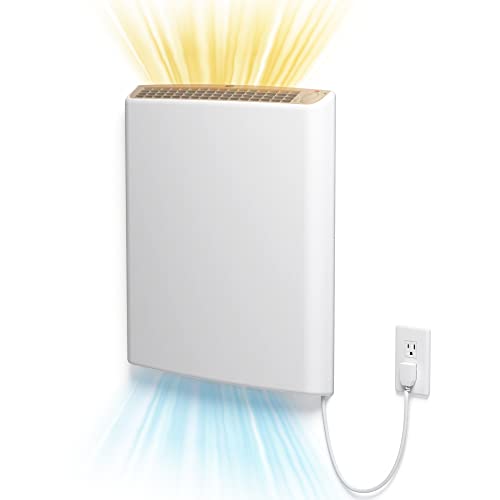
Type: Wall-mounted panel. This ENVI model is designed for targeted, continuous low-wattage heating to supplement central systems or maintain single-room temperatures.
Energy Efficiency Features: The heater runs at a cool 90°F surface temperature and uses a fan-less stack convection design to circulate warmth silently. Low wattage operation and the ability to run 24/7 aim to reduce energy spikes compared to portable high-power units.
Controls & Safety: Built-in wall-sense safety sensor cuts power if removed from the wall. The auto-dimming power light and lack of a fan reduce power draw for auxiliary electronics. Its design avoids blowing dust and helps preserve humidity, which can indirectly reduce heating needs.
Best Use Cases: Continuous background heating in bedrooms, nurseries, or small living areas where silent, low-maintenance warmth and safety are priorities.
Call 888-896-7031 for Free Local HVAC Quotes – Compare and Save Today!
Dreo Smart Wall Heater WH719S

Type: Smart oscillating wall heater with PTC ceramic element. It emphasizes even distribution and precise temperature control for efficiency.
Energy Efficiency Features: The 120° vertical oscillation spreads heat more evenly, potentially reducing runtime. A precise thermostat (1°F accuracy) and programmable schedules let users avoid overheating and run the heater only when needed.
Controls & Connectivity: Remote, 24-hour timer, and app integration with Alexa/Google Home enable automated schedules and remote adjustment. Smart scheduling helps target heating to occupied periods, reducing wasted energy.
Best Use Cases: Bedrooms and offices where zoned, scheduled heating and remote control improve efficiency by limiting runtime and maintaining steady setpoints.
PELONIS 23” Oscillating Ceramic Tower Heater

Call 888-896-7031 for Free Local HVAC Quotes – Compare and Save Today!
Type: Portable PTC ceramic tower heater with oscillation and multiple modes including ECO.
Energy Efficiency Features: Ceramic PTC technology provides rapid heat-up and stable temperature output while consuming power only when needed. The ECO mode automatically adjusts output based on ambient temperature to minimize energy use.
Controls & Safety: Multiple heat settings (High, Low, ECO) and a programmable thermostat allow users to tailor output. Overheat protection and tip-over switch enhance safe continuous use.
Best Use Cases: Larger rooms where quick heat distribution and adjustable modes help balance comfort with energy savings. Oscillation aids even coverage, reducing the need for higher settings.
PELONIS Champagne Oil-Filled Radiator Heater

Type: Oil-filled radiator providing radiant and convective heat with stored thermal mass.
Energy Efficiency Features: Oil-filled units retain heat and continue releasing warmth after power cycles, reducing on/off cycling and overall energy draw. The ECO mode adjusts heating based on real-time temperature for sustained comfort with lower power usage.
Controls & Safety: Multiple power modes and a multi-setting thermostat support precise temperature management. Mobility features (casters, handle) make it easy to heat occupied rooms selectively rather than whole-home heating.
Best Use Cases: Bedrooms, home offices, and living rooms where steady background heat and residual warmth after shutdown provide efficient long-term comfort.
Heat Storm Phoenix HS-1500-PHX Infrared Heater

Type: Infrared space heater with removable feet and wall-mount capability, offering radiant heating rather than solely warming air.
Energy Efficiency Features: Infrared heaters warm objects and people directly, which can feel warmer at lower air temperatures and reduce thermostat setpoints. Dual power modes (750W and 1500W) permit lower wattage operation when full output isn’t necessary.
Controls & Safety: Removable feet allow floor or wall installation to optimize placement. The patented heat exchanger design aims to produce comfortable heat without reducing room humidity.
Best Use Cases: Small rooms, garages, or targeted zones where direct radiant warmth provides perceived comfort at lower energy use compared to convective-only units.
Buying Guide — How To Choose The Most Energy-Efficient Electric Heater
Choosing an efficient electric heater depends on room size, usage patterns, control precision, and safety. Evaluate the following criteria to match a heater to your needs and minimize energy waste.
Tips for Getting the Best HVAC Prices
- Prioritize Quality Over Cost
The most critical factor in any HVAC project is the quality of the installation. Don’t compromise on contractor expertise just to save money. - Check for Rebates
Always research current rebates and incentives — they can significantly reduce your overall cost. - Compare Multiple Quotes
Request at least three estimates before making your choice. You can click here to get three free quotes from local professionals. These quotes include available rebates and tax credits and automatically exclude unqualified contractors. - Negotiate Smartly
Once you've chosen a contractor, use the proven strategies from our guide — How Homeowners Can Negotiate with HVAC Dealers — to get the best possible final price.
1. Match Heater Type To Use Case
- Panel/Wall Heaters: Best for continuous background heating in occupied rooms—low-wattage options work well for maintaining setpoints.
- Ceramic Towers: Good for fast, directional heat and rooms where quick warm-up is needed; use ECO and programmable modes to limit runtime.
- Oil-Filled Radiators: Provide long-lasting radiant heat and lower cycling—ideal for sustained comfort with lower energy spikes.
- Infrared Heaters: Heat people and objects directly—effective for quick perceived warmth with potentially lower thermostat setpoints.
2. Thermostat Precision And Controls
- Look for precise thermostats (±1°F when possible) and programmable timers to avoid overheating empty spaces.
- Smart controls and app/voice integration allow remote scheduling, reducing unnecessary runtime.
3. Efficiency Modes And Power Options
- ECO Modes automatically adjust output to ambient conditions—useful for continuous but efficient heating.
- Multiple power/settings and dual-watt options let you run lower power when full heat isn’t required.
4. Heat Distribution And Coverage
- Oscillation or wide-angle output helps distribute heat evenly, reducing the need for higher settings.
- Infrared and radiant designs may provide better perceived warmth for occupants at lower air temperatures.
5. Safety Features Impact Energy Use
- Built-in overheat protection and tip-over sensors enable safe continuous use in lower power modes without frequent manual intervention.
- Safe designs reduce risk and encourage targeted heating—heating only occupied rooms rather than whole-house systems.
6. Installation And Placement Considerations
- Wall-mounted units save floor space and reduce obstruction to airflow.
- Portable units should be positioned to maximize circulation to occupied areas to avoid wasted output.
7. Calculate Effective Efficiency
- Consider run-time and setpoint reduction rather than wattage alone. A heater that allows you to lower the thermostat or run for shorter periods can save more energy than a lower-wattage model run continuously.
- Measure how quickly a heater brings a space to comfort and how long it maintains warmth after shutdown—oil-filled and panel heaters often retain heat longer.
8. Comparison Perspectives
- Short-Term Warm-Up: Ceramic and PTC heaters heat quickly, beneficial for intermittent use.
- Long-Term Maintenance: Oil-filled radiators and low-wattage wall panels maintain steady warmth with fewer cycles.
- Targeted Comfort: Infrared and directed oscillating units can allow lower overall room temperatures by focusing warmth where people sit.
9. Practical Tips To Maximize Efficiency
- Insulate the room and seal drafts to reduce heating load.
- Use timers and smart schedules to heat only when rooms are occupied.
- Combine localized electric heating with a lower central thermostat to reduce whole-house energy consumption.