
Finding the right universal cab heater can improve comfort and visibility in cold weather. Below is a quick comparison table of five selected universal cab heaters chosen for broad vehicle compatibility, power options, and common installation methods.
| Product | Type / Voltage | Key Feature |
|---|---|---|
| Saihisday 12V Car Auxiliary Heater | 12V | 4-port underdash defroster with speed control |
| 13,000 BTU 12 Volt Low Profile Universal Auxiliary Cab Heater | 12V | Low profile, includes installation kit |
| Upgraded 12V Universal Auxiliary Heater Underdash (Sallurmose) | 12V | Upgraded underdash with speed switch and mounting brackets |
| RAParts New AH464 Universal Cab Heater | 12V | 16,000 BTU rating, through-floor hose connections |
| 17,000 BTU 12 Volt Low Profile Universal Auxiliary Cab Heater | 12V | Higher output, low-profile design, installation kit |
Content Navigation
- Saihisday 12V Car Auxiliary Heater, 4 Ports Universal Underdash Compact Auxiliary Heater
- 13,000 BTU 12 Volt Low Profile Universal Auxiliary Cab Heater Car, UTV, Truck, Van
- Upgraded 12V Universal Auxiliary Heater Underdash Heat With Speed Switch
- RAParts New AH464 Universal Cab Heater 12V Truck Bus Van Compact Size
- 17,000 BTU 12 Volt Low Profile Universal Auxiliary Cab Heater
- Buying Guide: How To Choose A Universal Cab Heater
- Compatibility And Voltage
- Heat Output And BTU Rating
- Form Factor And Mounting Options
- Installation Requirements
- Fan Controls And Air Distribution
- Durability And Intended Use
- Hose Connections And Plumbing
- Electrical Load And Vehicle Capacity
- Ease Of Maintenance And Parts Availability
- Safety Features And Certification
- Comparison Perspectives
- Practical Checklist Before Purchase
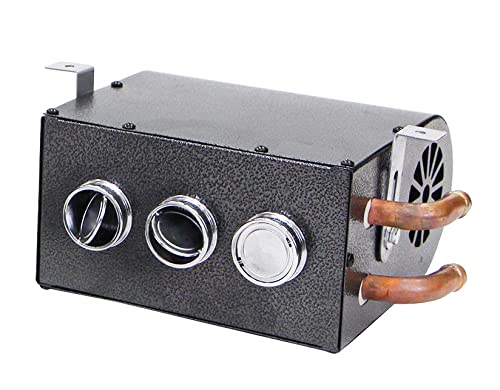
Saihisday 12V Car Auxiliary Heater, 4 Ports Universal Underdash Compact Auxiliary Heater

This 4-port underdash auxiliary heater is designed for windscreen defrosting, demisting and cabin heating. It uses a powerful blower motor to distribute air across four vent holes and includes a speed control switch.
Key listed features: 12V power, 8A power draw, requires a 5/8″ (16 mm) inner diameter water hose (not included). Wiring instructions specify the red wire of the speed control switch to positive on the power supply and motor.
Installation notes: intended for underdash mounting, compatible with vehicles that can route a compatible water hose to the heater. The product focuses on targeted defrost and supplemental cabin heating rather than being a full HVAC replacement.
13,000 BTU 12 Volt Low Profile Universal Auxiliary Cab Heater Car, UTV, Truck, Van
Call 888-896-7031 for Free Local HVAC Quotes – Compare and Save Today!
This low-profile 13,000 BTU 12V auxiliary heater is marketed for a wide range of vehicles including tractors, trucks, buses, vans, cars and UTVs. The package includes an installation kit intended to facilitate mounting and connections.
Key listed features: 13,000 BTU output, 12V operation, low-profile design for tight mounting locations, and supplied installation components. The product is intended as a universal auxiliary cab heater rather than vehicle-specific OEM replacement.
Application notes: Low-profile format works well where space is limited under seats or underdash. The included kit streamlines common installations, but plumbing or electrical modifications may still be required depending on vehicle type.
Upgraded 12V Universal Auxiliary Heater Underdash Heat With Speed Switch

The Sallurmose upgraded underdash heater emphasizes energy savings and includes mounting brackets and a speed control switch. It’s promoted for trucks, minivans, excavators and harvesters, indicating broad compatibility across commercial and agricultural equipment.
Key listed features: 12V underdash configuration, speed control switch for adjustable airflow, included mounting hardware. The design supports underdash installation to deliver warm air directly into the cab or operator compartment.
Call 888-896-7031 for Free Local HVAC Quotes – Compare and Save Today!
Installation notes: The product targets users who need supplemental cabin heating and prefer adjustable fan speed. Compatibility depends on available 12V supply and physical space for underdash mounting; hoses and additional fittings may be required for fluid-fed models.
RAParts New AH464 Universal Cab Heater 12V Truck Bus Van Compact Size

The RAParts AH464 is a compact 12V universal cab heater with a 16,000 BTU rating and a two-speed fan. It offers through-floor hose connections and floor mounting options, making it suitable for rear heat installations in vans, trucks and buses.
Key listed features: 16,000 BTU, 12V DC, two-speed fan, through-floor hose connections, and floor mounting capability. The design targets higher output for larger cabs and flexible mounting options for different vehicle layouts.
Application notes: Through-floor connections enable routing heater hoses under the vehicle and mounting toward the floor or rear compartment. The two-speed fan allows a basic airflow control without separate speed controller hardware.
17,000 BTU 12 Volt Low Profile Universal Auxiliary Cab Heater

This higher-output 17,000 BTU 12V low-profile auxiliary heater is designed for trucks, UTVs, vans and larger vehicles where additional heating capacity is required. The listing emphasizes universal fit and includes an installation kit.
Key listed features: 17,000 BTU output, 12V operation, low-profile housing for discreet installation, and an installation kit to support common mounting scenarios. The unit targets users needing greater heat output in larger cabins or cold climates.
Installation notes: The low-profile form factor allows placement under seats or tight mounting locations. Ensure the vehicle’s 12V electrical system and available space can support the unit and that appropriate hose and fittings are used for fluid-fed models.
Buying Guide: How To Choose A Universal Cab Heater
Compatibility And Voltage
Confirm the heater’s voltage matches your vehicle (12V or 24V). Many consumer and UTV installations use 12V; some heavy equipment or trucks use 24V. Select a model specifically listed for your voltage to avoid electrical issues.
Heat Output And BTU Rating
Heat capacity is commonly expressed in BTU. Higher BTU ratings deliver more heat and suit larger cabs or colder climates. Match BTU output to cabin size and expected ambient conditions for adequate heating and defrost performance.
Form Factor And Mounting Options
Consider low-profile vs. larger floor-mounted units. Low-profile heaters fit under seats or tight dash areas; floor-mounted or through-floor models provide more mounting flexibility but require routing hoses through floor openings.
Installation Requirements
Check what the unit requires: installation kit, hoses, clamps, wiring harnesses, or a water source from engine coolant. Some units are air-only electric blowers, while many universal cab heaters rely on vehicle coolant circulation—confirm required fittings and hose diameters.
Fan Controls And Air Distribution
Look for adjustable fan speeds or included speed control switches for airflow regulation. Multiple vent ports (2–4 ports) help distribute warm air for defrosting and overall comfort. Consider the presence of a two-speed fan versus a variable-speed controller.
Durability And Intended Use
Assess whether the heater is designed for passenger vehicles, commercial trucks, agricultural equipment or UTVs. Units intended for heavy-duty use often have sturdier housings and higher BTU ratings. Confirm mounting hardware and materials for vibration-prone environments.
Hose Connections And Plumbing
For coolant-fed heaters, verify hose connection types and required diameter (e.g., 5/8″ / 16 mm). Determine whether through-floor hose routing is supported and if additional fittings or a bypass are needed when installing in your vehicle’s cooling system.
Electrical Load And Vehicle Capacity
Check the heater’s current draw (amps) and ensure your vehicle’s electrical system can supply the load without overtaxing alternator or battery. For powerful blowers or higher BTU units with fans, confirm wiring gauge and fuse protection match manufacturer recommendations.
Ease Of Maintenance And Parts Availability
Consider availability of replacement parts and serviceability. Units using common aftermarket components or standardized fittings simplify repairs. For OEM-replacement style heaters, verify compatibility with known part numbers if matching an existing system.
Safety Features And Certification
Review listed safety features such as thermal protection, sealed housings, and proper electrical fusing. For coolant-fed systems, confirm secure hose connections and leak prevention measures. Certifications may vary; prioritize units from manufacturers with clear installation guidance.
Tips for Getting the Best HVAC Prices
- Prioritize Quality Over Cost
The most critical factor in any HVAC project is the quality of the installation. Don’t compromise on contractor expertise just to save money. - Check for Rebates
Always research current rebates and incentives — they can significantly reduce your overall cost. - Compare Multiple Quotes
Request at least three estimates before making your choice. You can click here to get three free quotes from local professionals. These quotes include available rebates and tax credits and automatically exclude unqualified contractors. - Negotiate Smartly
Once you've chosen a contractor, use the proven strategies from our guide — How Homeowners Can Negotiate with HVAC Dealers — to get the best possible final price.
Comparison Perspectives
- Small Cabs / UTVs: Low-profile 12V units with included installation kits provide compact placement and sufficient heat for tighter spaces.
- Large Cabs / Buses: Higher BTU models and through-floor configurations deliver broader distribution and stronger output for large volumes.
- Commercial / Agricultural Equipment: Robust underdash or floor-mounted units with durable brackets and flexible hose routing are typical choices.
- Defrost Focus: Units with multiple ports and direct underdash mounting offer faster windshield demisting and improved visibility.
Practical Checklist Before Purchase
- Confirm voltage (12V vs 24V) and electrical capacity.
- Measure available mounting space and choose low-profile vs floor-mounted accordingly.
- Match BTU output to cabin size and climate needs.
- Verify hose diameter and plumbing compatibility if coolant-fed.
- Inspect included hardware and whether additional parts are required.
- Plan for wiring, fuse sizing and fan control integration.